How to Propagate Texas persimmon?
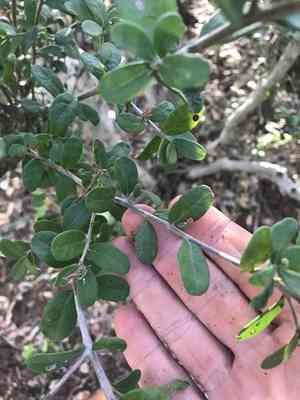
The most suitable periods for propagating Texas persimmon are spring and winter, utilizing grafting and layering as the favored methods. This propagation process can present a moderate challenge, with indicators of success encompassing fresh development and bud formation. Verify appropriate rootstock compatibility to achieve the best outcomes.
Optimal Time for Texas Persimmon Propagation
Propagation Method
Grafting
Propagation Period
Spring,Winter
Tools Utilized in Texas Persimmon Propagation
Grafting knife
A keen and sanitized grafting knife is vital for making precise incisions on the scion and rootstock of texas persimmon. Such exactness is necessary to guarantee a snug fit and ideal vascular alignment at the graft union, leading to a greater likelihood of successful graft integration.
Grafting tape or strips
Grafting tape or biodegradable strips are employed to firmly secure the scion and rootstock together as the graft mends. This pressure is critical for sustaining the cambial contact required for the graft union to properly form in texas persimmon.
Wound sealer or grafting wax
A wound sealer or grafting wax safeguards the graft union from pathogens and stops the tissue from drying out during the healing process. The application of this tool enhances the success rate of grafting texas persimmon by creating a favorable environment for the graft to take hold.
Rootstock and scion material
Robust rootstock and scion material are fundamental for grafting texas persimmon. Choosing disease-free and vigorous specimens boosts the probability of successful propagation and the plant's future well-being.
Disinfectant
A disinfectant, such as alcohol or a bleach solution, is used to sterilize the grafting tools before and after each cut. This practice minimizes the risk of introducing diseases to the graft site of texas persimmon, which is crucial for propagation success.
Caring for Your Newly Propagated Texas Persimmon
Caring for Your Newly Propagated Texas Persimmon
Following propagation, it's crucial to observe the texas persimmon for indications of growth and graft success. Maintain consistently moist but well-drained soil, and shield the new graft from harsh weather until it's established. Fertilize sparingly with an appropriate fertilizer for texas persimmon to encourage healthy development, avoiding excessive nitrogen which can prioritize leaf growth over fruit production. As the scion begins to grow, gradually remove any tape or materials used to secure the graft, and prune away any shoots emerging below the graft site to direct the plant's energy into the newly grafted scion.
Common Errors to Avoid When Propagating Texas Persimmon
Overwatering
Excessive watering of texas persimmon can readily lead to root rot and fungal problems. Given the species' drought tolerance, too much moisture can impede its growth and propagation success.
Using non-sterile equipment
Employing tools that are not properly sterilized can introduce harmful pathogens to texas persimmon cuttings or seeds, resulting in poor establishment or disease.
Ignoring soil type
Planting texas persimmon in soil that lacks proper drainage or does not resemble its natural habitat's soil characteristics might hinder successful rooting and growth.
Planting cuttings too deeply
Inserting texas persimmon cuttings too far into the growing medium can restrict oxygen availability and heighten the risk of rot.
Neglecting humidity
While excessive moisture should be avoided, maintaining an appropriate humidity level is vital for texas persimmon cuttings to successfully develop roots.
Advice for Propagating Texas Persimmon
Correct soil composition
Utilize a well-draining soil mix that closely imitates texas persimmon's natural limestone or sandy environments to ensure the proper balance of drainage and nutrients.
Appropriate watering
Water texas persimmon with care, ensuring the soil is moist but not waterlogged, to achieve a balance that fosters root development without risking overwatering.
Use of rooting hormones
Applying a suitable rooting hormone to the texas persimmon cutting may enhance root development and increase the chances of successful propagation.
Provide dappled light
Offering texas persimmon a blend of shade and sunlight, similar to the dappled light of its natural understory habitat, will support its growth without overwhelming the plant.
Monitoring for pests
Regularly inspect texas persimmon for signs of pests, which can significantly impact its health and propagation efforts, and take prompt action to control any infestations.



