The Texas persimmon Plant Advantage: Maximizing Home and Office Appeal and Wellness
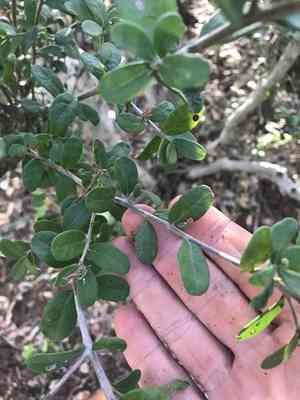
1
Texas persimmon yields petite, tasty fruits suitable for direct consumption or culinary applications.
2
This hardy flora needs little irrigation and flourishes in diverse ground conditions.
3
Texas persimmon aids native fauna by offering refuge and sustenance, making it a superb choice for environmentally conscious landscapes.
Why Opt for Texas Persimmon in Your Garden?
Resilience to Challenging Environments
Texas persimmon is exceptionally well-suited for regions with limited rainfall and poor soil quality. Its inherent capacity to flourish under difficult conditions makes it a superb option for xeriscaping, a landscaping approach that minimizes or eliminates the need for extra water. Once rooted, Texas persimmon demands little upkeep, significantly reducing garden maintenance efforts.
Support for Local Fauna
Incorporating Texas persimmon can transform your garden into a sanctuary for native wildlife. Its dense canopy offers refuge for birds and small animals, while its fruits serve as a vital food source. By planting Texas persimmon, you contribute to the local ecosystem, fostering biodiversity right in your outdoor space.
What Are the Nutritional Advantages of Texas Persimmon Fruits?
Rich in Essential Nutrients
Texas persimmon fruits are a powerhouse of crucial vitamins and minerals. They are particularly abundant in vitamin C, an essential nutrient for immune system function and skin health. Additionally, these fruits contain notable amounts of potassium and dietary fiber, contributing to overall wellness.
Culinary Adaptability
Whether consumed fresh, dried, or incorporated into recipes, Texas persimmon fruits offer a delightful gastronomic experience. Their sweet, subtly tart flavor makes them an excellent component for preserves, jellies, and desserts. The ability to store these fruits for later use adds another layer of utility, making them a versatile addition to any kitchen.
How Can Texas Persimmon Enhance Your Landscaping Projects?
Soil Stabilization
Texas persimmon's extensive root system helps anchor soil and prevent erosion. This makes it an ideal solution for areas prone to soil degradation. By planting Texas persimmon on inclines or alongside waterways, you can mitigate erosion while improving the visual appeal of your landscape.
Aesthetic Charm
The allure of Texas persimmon lies in its striking bark, attractive foliage, and seasonal fruit display. Its smooth, dark bark peels away to reveal a lighter, more vibrant layer beneath, adding a unique visual element to your garden throughout the year. The greenish-white blossoms that appear in spring and early summer further contribute to its ornamental value.
How to Properly Care for Texas Persimmon?
Planting Requirements
Texas persimmon prefers full sun but can endure partial shade. It thrives in well-drained soils but is adaptable to various soil types, including rocky and sandy terrains. When planting Texas persimmon, ensure that the location provides adequate drainage to prevent root rot.
Watering and Trimming
Once established, Texas persimmon requires minimal watering. During the initial year, consistent watering will help the plant develop a strong root system. Pruning is generally not essential but can be performed to shape the plant or remove dead branches. This low-maintenance aspect makes Texas persimmon an excellent choice for busy gardeners.



