How to Transplant Glandular cape marigold?
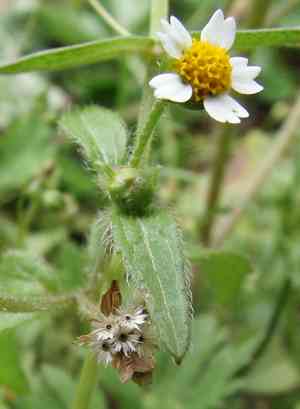
The ideal period for relocating glandular cape marigold is from early to mid-spring, when the ground is receptive to new root systems. Confirm that glandular cape marigold is positioned in soil that drains effectively and in an area that receives ample direct sunlight. Careful manipulation is crucial to prevent root trauma.
What Preparations are Needed Before Transplanting Glandular Cape Marigold?
What is the Ideal Time for Transplanting Glandular Cape Marigold?
The optimal period for moving glandular cape marigold is early to mid-spring once the ground warms. This timing allows glandular cape marigold to develop strong roots before summer heat. By transplanting then, you ensure glandular cape marigold benefits from mild temperatures, boosting growth and bloom potential. Choose this season to give glandular cape marigold a healthy start!
How Much Space Should You Leave Between Glandular Cape Marigold Plants?
When relocating glandular cape marigold, ensure plants are ideally spaced about 1-2 feet (30-60 cm) apart. This provides each plant ample room to grow without crowding.
What is the Best Soil Mix for Glandular Cape Marigold Transplanting?
For glandular cape marigold, well-draining soil enriched with organic matter is crucial. Prepare your initial fertilizer by mixing compost or a slow-release granular fertilizer into the soil for optimal plant development.
Where Should You Relocate Your Glandular Cape Marigold?
Consider placing glandular cape marigold in an area that receives full sun exposure. Excessive shade could hinder its growth. Ensure the spot gets at least 6 hours of direct sunlight daily for the plant to flower beautifully.
What Equipments Should You Prepare Before Transplantation Glandular Cape Marigold?
Gardening Gloves
These will shield your hands from thorns and potential skin irritants present on the glandular cape marigold or in the soil.
Trowel
This small hand tool is perfect for digging around the glandular cape marigold, preventing damage to its root system.
Shovel
If the glandular cape marigold is already in the ground, a larger shovel might be necessary for excavating it.
Watering Can
Having a watering can readily available is essential for keeping the glandular cape marigold hydrated during the transplant process.
Gardening Pruner
Sharp pruning shears are needed for cutting back any dead or overgrown parts of the glandular cape marigold.
Wheelbarrow
This is especially useful if you are moving a large glandular cape marigold or multiple plants, for easier transport to the new site.
How Do You Remove Glandular Cape Marigold from the Soil?
How Do You Remove Glandular Cape Marigold from the Soil?
From Ground: Begin by watering the glandular cape marigold to loosen the surrounding soil. Using your shovel, dig a wide trench around the plant, making sure to keep the root ball intact. Approach the root ball from underneath with the shovel, and carefully lift the plant out of the ground.From Pot: Water the glandular cape marigold and then gently tip the pot sideways. If the plant doesn't slide out, tap the pot lightly against a hard surface to loosen it. Be careful to avoid damaging the root ball while extracting the plant.From Seedling Tray: Moisten the soil to facilitate extraction. Using the trowel, gently dig around each seedling, being careful to retain as much of the original soil around the roots as possible, and then carefully lift it from the tray.
Step-by-Step Guide for Transplanting Glandular Cape Marigold
Preparation
After you've extracted the glandular cape marigold, carefully remove any dead or damaged leaves or stems with the pruners. This will direct the plant's energy towards root establishment in its new location.
Hole Preparation
Use your trowel or shovel to dig a hole in the new spot. It should be twice as wide as the root ball and the same depth.
Planting
Place the glandular cape marigold in the hole, ensuring the top of the root ball is level with the soil surface. Backfill the hole, gently firming the soil around the plant.
Watering
Immediately after planting, water the glandular cape marigold thoroughly with the watering can. This will help settle the soil around the roots and improve initial root contact with the soil.
How Do You Care For Glandular Cape Marigold After Transplanting?
Root Establishment
It is essential to keep the glandular cape marigold well-watered until it establishes in the new location. Try to balance water provision and avoid overwatering.
Trimming
As the glandular cape marigold recovers post-transplant, further pruning might be necessary to remove any dead leaves or branches. This will help the plant direct its energy to new growth.
Pest Control
Be vigilant about pests and disease. A stressed plant like a newly transplanted glandular cape marigold is more susceptible to attacks. Treat with appropriate organic or chemical options, depending on your preference and plant's needs.
Troubleshooting Common Issues with Glandular Cape Marigold Transplantation.
When is the best time to transplant glandular cape marigold?
The ideal transplanting period for glandular cape marigold is during the S1-S2 season. This allows the plant ample time to establish roots.
How much space is needed when transplanting glandular cape marigold?
Ensure glandular cape marigold is placed in a spot with a distance of about 1-2 feet (30-60 cm) from other plants. This helps prevent overcrowding and promotes good airflow.
What type of soil does glandular cape marigold need for successful transplantation?
Glandular cape marigold thrives in well-draining soil. Adding organic matter can improve soil drainage and provide necessary nutrients.
What should I do if the leaves of glandular cape marigold start wilting after transplantation?
Donât panic! Wilting after transplanting is normal for glandular cape marigold. Keep it well-watered and it should recover.
Why is glandular cape marigold not flowering post-transplantation?
Glandular cape marigold may take some time to flower post-transplantation. Inadequate sun exposure or excess nitrogen may inhibit flowering.
What is the preferred sun exposure for glandular cape marigold after being transplanted?
Glandular cape marigold loves sunlight. Post transplantation, make sure it gets full sun exposure for the best growth.
Should I prune glandular cape marigold during the transplantation?
Pruning is not necessary during transplant. However, removing damaged or diseased leaves can encourage healthier growth.
How often should I water glandular cape marigold post-transplantation?
Glandular cape marigold typically requires regular watering. This could be daily or every other day, depending on your climate and soil type.
Why is the growth of glandular cape marigold stunted post-transplantation?
Stunted growth in glandular cape marigold might be due to transplant shock, inadequate sunlight, poor nutrition or incorrect watering. Ensure proper care for recovery.
Should I use fertilizer post-transplantation on glandular cape marigold?
Applying a mild, slow-release fertilizer can help glandular cape marigold establish in the new location. But donât overdo it, too much can harm the plant.



