The Glandular cape marigold Plant Advantage: Maximizing Home and Office Appeal and Wellness
1
Glandular cape marigold contributes to better soil health and erosion control.
2
It draws in helpful insects, fostering a diverse ecosystem.
3
Simple to cultivate and needs little upkeep.
What Are the Main Ecological Advantages of Glandular Cape Marigold?
Improving Soil Quality
Glandular cape marigold is recognized for its capacity to boost soil health. Its robust root system aids in enhancing soil structure by breaking up compacted earth, which improves aeration and water penetration. This natural process can significantly lessen the need for chemical soil amendments, fostering a healthier and more sustainable garden ecosystem.
Preventing Soil Erosion
A key advantage of Glandular cape marigold is its function in preventing soil degradation. The plant's extensive root network helps stabilize the ground, lowering the risk of erosion caused by wind and water. This is especially beneficial in areas prone to heavy rain or strong winds, as it helps maintain soil integrity and encourages the growth of other plants.
How Does Glandular Cape Marigold Support Biodiversity?
Attracting Beneficial Insects
Glandular cape marigold draws various helpful insects that play a vital role in maintaining an ecological balance. For instance, bees and butterflies are attracted to its bright flowers, assisting in pollination and contributing to the garden's overall vitality. Additionally, these beneficial insects help manage pest populations, reducing the need for chemical pesticides.
Supporting Wildlife
Beyond beneficial insects, Glandular cape marigold also offers sustenance and shelter for diverse wildlife species. Birds, in particular, are drawn to the seeds of Glandular cape marigold, which serve as a crucial food source at different times of the year. By cultivating Glandular cape marigold, gardeners can create a more varied and vibrant garden environment that supports various forms of wildlife.
What Makes Glandular Cape Marigold a Low-Maintenance Plant?
Drought Tolerance
One of the prominent characteristics of Glandular cape marigold is its exceptional resistance to drought. The plant is well-adapted to thrive in arid conditions, requiring minimal irrigation once established. This makes it an ideal choice for regions experiencing water scarcity or for gardeners aiming to reduce their water consumption.
Easy Propagation
Glandular cape marigold is simple to propagate, making it a cost-effective and low-effort option for gardeners. It can be grown from seeds with little effort and often self-seeds once established, allowing it to spread naturally throughout the garden. This ease of propagation ensures that Glandular cape marigold can continue to provide its benefits year after year without extensive replanting.
How Can Glandular Cape Marigold Enhance Your Garden's Visual Appeal?
Vibrant Blooms
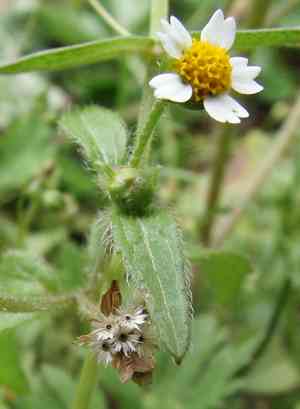
Glandular cape marigold is celebrated for its striking and vivid flowers that can add a burst of color to any garden. The blossoms come in a range of hues, including bright oranges, yellows, and whites, making them a visually appealing addition to garden beds and borders. These intense colors can help create a cheerful and inviting atmosphere in your outdoor space.
Seasonal Interest
Another aesthetic advantage of Glandular cape marigold is its capacity to provide year-round visual appeal. While the plant typically flowers in spring and summer, its foliage maintains its attractiveness during the off-season. This means that Glandular cape marigold can contribute to the garden's visual charm even when not in bloom, ensuring a vibrant and dynamic garden landscape throughout the year.



