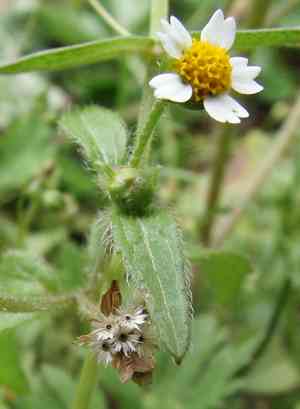
Glandular cape marigold (Dimorphotheca sinuata)
Also known as: Orange Namaqualand daisy, Sun-marigold, Star of the Veldt, Namaqualand rain daisy
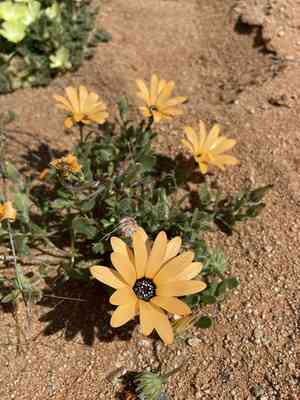
The glandular cape marigold (Dimorphotheca sinuata) is an annual wildflower native to South Africa, often found in roadside and desert areas. It flourishes in full sunlight and well-draining soil, ideally sandy or loamy. The plant produces vibrant yellow, orange, white, or salmon-colored flowers that follow the sun and close on overcast days or at night. It typically blooms from late winter through early spring and can grow up to 30 cm in height. This drought-tolerant species attracts pollinators and is suitable for borders, rock gardens, or ground cover.
In This Article
Attributes of Glandular cape marigold
Lifespan
Annual, Biennial
Plant Type
Herb
Plant Height
30 cm to 46 cm
Spread
30 cm
Leaf Color
Green Blue
Flower Size
2.5 cm to 8 cm
Flower Color
Orange Yellow White Pink Brown Black
Images of Glandular cape marigold
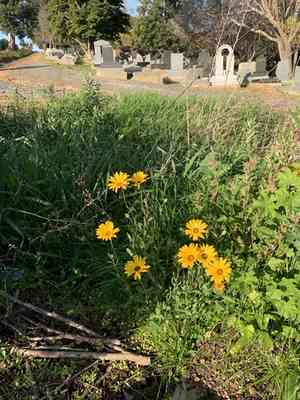
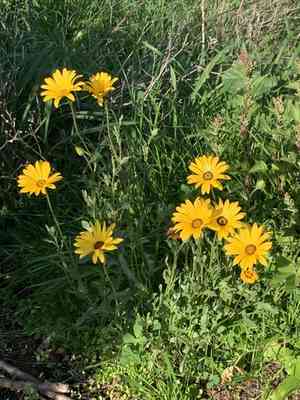
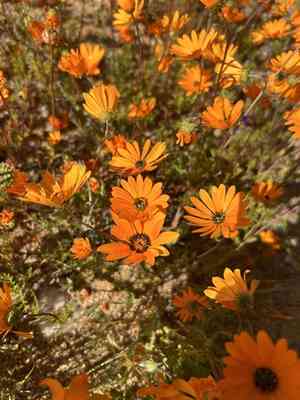
Quickly Identify Glandular cape marigold
1
Daisy-like blooms in yellow to orange hues, 2-3 inches (5-7.5 cm) across.
2
Leaves with sinuous/wavy margins, light green, up to 3 inches (7.6 cm) long.
3
Flowers close in absence of sunlight, fanning petals around a golden center.
Scientific Classification of Glandular cape marigold
Phylum
Vascular plants
Class
Dicotyledons
Order
Asterales
Family
Daisy
Genus
Dimorphotheca
Species
Glandular cape marigold
Planting and Growing of Glandular cape marigold
Care Difficulty
Easy
Watering Schedule
Every 4 days
Sunlight Requirements
Full sun
Sunshine Duration
4-8 hours
Ideal Temperature
65-75℉
Soil Type
Potting Mix, Peat Mix
Soil pH
6.5-7.5
Fertilizer Type
Balanced
Pruning Season
Spring, Summer
Pruning Area
Branches, Leaves
Pruning Frequency
2 times a year
Repotting Season
Spring
Pot Type
Plastic, Ceramic
 How to Water Glandular cape marigold?
Dimorphotheca sinuata prefers well-drained soil and should be watered thoroughly but infrequently. Allow the top inch of soil to dry out before watering again. Aim for about 250 ml of water per session, making sure it saturates the root zone without causing waterlogged conditions.
What are the symptoms of an underwatered Glandular cape marigold?
›
What should I do if my Glandular cape marigold is not getting enough water?
›
What are the symptoms of an overwatered Glandular cape marigold?
›
How to save an overwatered Glandular cape marigold?
›
 What Are the Sunlight Requirements for Glandular cape marigold?
Dimorphotheca sinuata thrives in full sunlight, enjoying 6 to 8 hours of direct sunlight daily. This exposure encourages healthy growth and a profusion of flowers, making it an excellent addition to sunny gardens.
More About Sunlight Requirements Techniques→
How much sunlight does Dimorphotheca sinuata need?
›
Where should I place Dimorphotheca sinuata for ideal sunlight?
›
What are the benefits of ideal sunlight for Dimorphotheca sinuata?
›
 What Is the Ideal Temperature Range for Glandular cape marigold?
The ideal temperature range for Dimorphotheca sinuata, commonly known as African daisy, is between 65 and 75 degrees Fahrenheit. This range ensures optimal growth and blooming of the plant. Within this temperature window, the plant's physiological processes function efficiently, allowing for vibrant flower production and healthy foliage.
 What Soil is Best for Glandular cape marigold?
Dimorphotheca sinuata thrives best in well-drained soils. This characteristic prevents waterlogging, which can be detrimental to the plant's root system. Ensuring good drainage helps maintain adequate aeration and prevents root rot, ultimately supporting healthy plant growth. This plant prefers soil with moderate fertility. It's not overly demanding, but slightly enriched soil encourages robust growth and enhanced blooming. A balance of nutrients ensures sustained plant vitality without risking nutrient burn or deficiency. Incorporating organic matter into the soil is beneficial for Dimorphotheca sinuata. Organic materials improve soil texture and moisture retention, crucial for maintaining the balance needed by this plant for optimal development during its growth cycle.
 How to Fertilize Glandular cape marigold?
Dimorphotheca sinuata requires a balanced fertilizer at half-strength. For liquid fertilizers, use 1 tablespoon per gallon of water. For slow-release fertilizers, a handful (about 1 ounce) is sufficient for each plant, evenly spread around the base.
 How to Prune Glandular cape marigold?
To keep your Dimorphotheca sinuata thriving, remove spent blooms regularly. By cutting the faded flowers right above the nearest leaf node, you encourage the plant to direct its energy toward producing new flowers, leading to a prolonged blooming period. Use pruning shears to shape your plant and maintain its desired size. Trim back any long or erratic stems. By doing this monthly, especially during the growing seasons, you promote a fuller, more attractive display.
More About Pruning Techniques→
 How to Propagate Glandular cape marigold plant?
1
Begin by collecting healthy seeds from mature Dimorphotheca sinuata plants, ensuring they are clean and free from any signs of disease. This step is crucial to ensure successful germination.
2
Evenly distribute the seeds on the surface of the sterile potting mix in the seed tray, lightly covering them with a thin layer of soil. Adequate spacing prevents overcrowding and competition for nutrients.
3
Gently water the soil to keep it moist, being careful not to wash away the seeds. Place the seed tray in a location with indirect sunlight and a temperature of approximately 18-22°C (65-72°F).
 How to Repot Glandular cape marigold plant?
1
Dimorphotheca sinuata shows signs of needing repotting when roots start protruding from the drainage holes or circling inside the pot. The plant may also have stunted growth, indicating it has outgrown its container. Ideally, repot in spring or autumn when the plant is not actively blooming to minimize stress and ensure successful establishment in its new pot.
2
When selecting a pot for Dimorphotheca sinuata, opt for one that's slightly larger than the current pot, with ample drainage holes. A terracotta pot is ideal as it offers breathability, reducing the risk of root rot. The pot should provide enough space for root expansion while preventing waterlogging, ensuring healthy growth and vibrant blooms.
3
Choose a sandy, well-draining soil mix for repotting. This type of soil allows excess water to drain quickly, preventing soggy conditions that could lead to root rot. Incorporate organic material to retain some moisture and provide nutrients, striking a balance between hydration and aeration for optimal plant health.
Learn More About Glandular cape marigold Diseases
Anthracnose
Bacterial Leaf Spot
Bacterial Soft Rot
Bacterial Wilt
Black Spot
Chemical Injury
Damping-off
Downy Mildew
Drought Stress
Fusarium Wilt
Gray Mold
Leaf Spot
Mosaic
Nutrient Deficiency
Nutrient Toxicity
Powdery Mildew
Root Rot
Root-knot Nematode
Rusts
Sooty Mold
Spider Mites
Temperature Stress
Thrips Damage
White Mold



