How to Prune Glandular cape marigold?
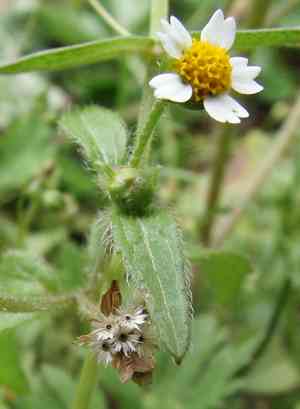
Originating from South Africa, this annual plant thrives in sunlight and displays blossoms resembling daisies. For glandular cape marigold, removing faded flowers is essential to promote uninterrupted blooming. Regularly clip off withered flowers. Trim elongated stems in the middle of the season to preserve a dense form and revitalize development. The most effective pruning takes place from Spring to Autumn, coinciding with periods of vigorous growth. Pruning boosts flower yield and stops seeds from scattering, which might draw undesirable insects or cause overcrowding in cultivated areas.
What Are the Benefits of Pruning Glandular Cape Marigold?
What Are the Benefits of Pruning Glandular Cape Marigold?
Trimming glandular cape marigold encourages robust development while helping maintain its form. This practice promotes abundant flowering, ensures optimal air circulation within the foliage, and lowers disease risk by eliminating dead or damaged tissue.
What Is the Best Time for Pruning Glandular Cape Marigold?
What Is the Best Time for Pruning Glandular Cape Marigold?
Pruning in Spring benefits glandular cape marigold by preparing it for a strong growing season. It removes any winter-damaged or dead foliage and stimulates new growth, contributing to the plant's health and appearance. Fall pruning, after blooming has finished, helps maintain the shape and manage the size of glandular cape marigold. It also removes spent flowers and any unhealthy growth, preventing potential disease and pest issues. Summer pruning is generally avoided as glandular cape marigold may be actively flowering, and cutting back could reduce the plant's ability to thrive and reproduce effectively.
What Tools Do I Need to Prune Glandular Cape Marigold?
Bypass Pruners
These are perfect for making precise cuts on glandular cape marigold without harming the stems. They are effective for deadheading and trimming smaller stems, ensuring clean cuts that aid healing.
Gardening Shears
For shaping glandular cape marigold and cutting back any excess growth, gardening shears offer the necessary control and ease of use, crucial for maintaining the plant's desired form.
Gloves
Though not a cutting tool, gloves protect hands from thorns and sap during the pruning process of glandular cape marigold. This is important for ensuring the gardener's safety and comfort.
Disinfectant
Before and after pruning glandular cape marigold, sterilizing tools prevents disease spread. This can be achieved using rubbing alcohol or a bleach solution.
How to Prune Glandular Cape Marigold
Clean Tools
Sanitize pruning shears with a bleach or alcohol solution to prevent the spread of plant diseases.
Trim Withered Leaves
Using clean shears, carefully remove withered leaves from glandular cape marigold at the stem's base, taking care not to harm new buds or healthy tissue.
Shape Plant
Trim any overgrown branches or stems to maintain glandular cape marigold's desired shape, making cuts just above a leaf node or branching point.
Collect Debris
Remove all cuttings and plant debris from around glandular cape marigold to deter pests and diseases.
Water And Care
Water glandular cape marigold thoroughly after pruning to aid recovery, and apply a balanced fertilizer if necessary.
Common Pruning Mistakes with Glandular Cape Marigold
Over Pruning
Removing too much foliage from glandular cape marigold can severely stress the plant, leading to reduced blooming and potentially harming its vigor. Aim to prune no more than one-third of the plant at a time.
Improper Cut Location
Cuts made too far from a bud or node may result in dead stubs that can invite disease and pests. Conversely, cuts too close can damage the buds, impeding new growth.
Using Blunt Tools
Dull pruning tools can crush stems and branches rather than creating a clean cut, which can make glandular cape marigold more susceptible to infections.
Untimely Pruning
Pruning glandular cape marigold at the wrong time can prevent it from flowering, as flower buds may be cut off inadvertently. Although your instructions asked to exclude timing information, it's important to consider the plant's flowering cycle.
Neglecting Sanitation
Failing to clean tools before and after use can spread disease between plants. It's essential to disinfect pruning equipment when working with glandular cape marigold.
Ignoring Plant Shape
Pruning without recognizing the natural shape of glandular cape marigold can lead to an unbalanced and aesthetically displeasing appearance, potentially affecting the plantâs overall health.
Common Pruning Tips for Glandular Cape Marigold
Selective Pruning
Carefully choose which stems to prune on glandular cape marigold, focusing on removing dead or diseased material and thinning out crowded areas to increase air circulation.
Promote Bushiness
Pinching off the tips of young shoots can encourage glandular cape marigold to develop a bushier, more compact form. This is especially helpful for new growth in spring or early summer.
Clean Cuts
Make each cut clean and sharp, using well-maintained tools to prevent damage to glandular cape marigold. Cuts should be made at a 45-degree angle to prevent water accumulation and promote healing.
Encourage Flowering
Deadheading, or removing spent flowers, encourages glandular cape marigold to produce more blooms by preventing seed formation, which redirects the plant's energy toward flower production.
Rejuvenation Pruning
If glandular cape marigold has become overgrown or woody, perform rejuvenation pruning by cutting back to a set of strong, healthy buds to stimulate new, vigorous growth.
Tool Disinfection
Regularly disinfect pruning tools with a solution of bleach or alcohol to prevent the spread of diseases while pruning glandular cape marigold.



