How to Propagate Glandular cape marigold?
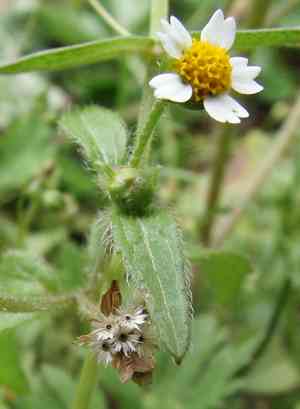
Glandular cape marigold flourishes when reproduced by directly planting its seeds. To achieve successful sprouting, scatter the seeds uniformly over a substrate that drains effectively and lightly conceal them, making sure they get ample sunlight. Consistent irrigation boosts the germination percentage, but refrain from saturating the soil. Prune young plants early to avert congestion and foster vigorous development.
Optimal Time for Glandular Cape Marigold Propagation
Propagation Method
Sowing
Propagation Period
Spring
Tools for Glandular Cape Marigold Propagation
Seed trays
Seed trays are shallow containers for starting glandular cape marigold seeds indoors, offering an ideal environment for germination. Their compact design helps manage many seedlings in a small space, simplifying monitoring and care during early growth.
Sterile potting mix
A sterile potting mix ensures glandular cape marigold seeds are planted in a pathogen-free medium, crucial for preventing fungal and bacterial infections that could hinder germination and seedling development. This mix typically contains peat, vermiculite, and perlite, aiding moisture retention and providing a light, airy environment for root growth.
Vermiculite
Vermiculite is added to soil to improve water retention and aeration, properties vital for the delicate root systems of glandular cape marigold seedlings. This mineral helps maintain balanced moisture and air around the roots, fostering healthy root development essential for strong plant growth.
Small watering can with a fine rose
This tool allows for gentle watering that won't disturb glandular cape marigold seeds or seedlings. The fine rose attachment provides a soft, even sprinkle of water, mimicking light rain, and preventing soil erosion or seed displacement, which is critical during the sensitive germination stages.
Labeling materials
Labels are used to mark seed trays with important details like planting date and species name. For glandular cape marigold, labels prevent confusion during the growing process, ensuring specific care needs are met. Labels are especially important when propagating multiple species or varieties.
How to Propagate Glandular Cape Marigold?
Propagation Type
Easy
Caring for Your Newly Propagated Glandular Cape Marigold
Caring for Your Newly Propagated Glandular Cape Marigold?
After propagation, continue to provide glandular cape marigold with consistent watering, especially during dry periods, but ensure the soil doesn't become waterlogged. Fertilize lightly with a balanced, slow-release fertilizer to encourage vigorous growth. Remove spent flowers regularly to promote continuous blooming throughout the season. Protect young plants from extreme temperatures with mulch or shade covers if needed. Regular checks for pests and diseases will help maintain healthy plants.
Common Mistakes to Avoid When Propagating Glandular Cape Marigold
Overwatering
Excessive water can lead to root rot, hindering glandular cape marigold's ability to establish healthy roots.
Deep Sowing
Planting glandular cape marigold seeds too deep can prevent germination as they require light to initiate the process.
Ignoring Soil Composition
Failing to use well-draining soil can cause waterlogging, which is detrimental to glandular cape marigold's root health.
Neglecting Light Exposure
Glandular cape marigold needs ample sunlight to thrive; insufficient light can result in weak, leggy growth.
Overcrowding
Sowing seeds too close together can lead to poor air circulation and light, resulting in inadequate development of glandular cape marigold.
Tips For Propagating Glandular Cape Marigold
Lightly Cover Seeds
Since glandular cape marigold seeds need light to germinate, they should be sprinkled on the soil surface and lightly covered or pressed into the soil.
Appropriate Watering
Water glandular cape marigold with a gentle mist to keep the soil moist but not soggy, helping avoid root rot.
Soil Selection
Use a well-draining soil mix to provide the right balance of moisture retention and drainage for glandular cape marigold's root system.
Provide Full Sun
Ensure glandular cape marigold is placed in a location that receives full sun for optimal growth and flower production.
Space Seeds Adequately
Sow glandular cape marigold seeds at a distance to ensure they have enough room to grow without competing for nutrients and light.



