Enhancing Your Garden Design with the Glandular cape marigold Plant: A Landscaping Guide
1
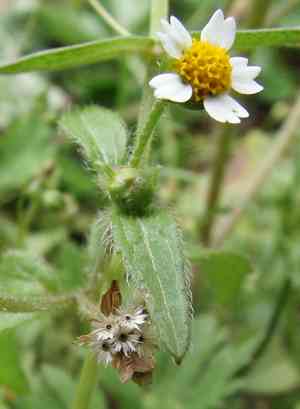
Dimorphotheca pluvialis flourishes in soil that drains effectively and receives ample sunlight.
2
Its vivid hues are capable of elevating the visual charm of any outdoor space.
3
Dimorphotheca pluvialis is adaptable, suitable for both structured and relaxed garden layouts.
Introducing Glandular Cape Marigold in Landscape Design
Overview of Glandular Cape Marigold's visual appeal and distinct features
Glandular cape marigold, with its vivid blossoms and rich green foliage, offers a striking enhancement to any landscape. Its unique attributes, such as its capacity to flower in brilliant shades from spring through autumn, make it an attractive option for your garden. This plant is also recognized for its hardiness across various climates, ensuring enduring beauty throughout different seasons.
Significance of choosing appropriate plants for particular landscaping themes
Selecting the correct plants to align with your landscape design theme is vital. Glandular cape marigold integrates well into diverse themes, whether you're aiming for a formal, structured garden or a more relaxed, natural aesthetic. By choosing plants like Glandular cape marigold that flourish in your specific conditions and complement your style, you guarantee a unified and pleasing garden environment.
Selecting the Optimal Site for Glandular Cape Marigold
Understanding sun exposure and shade requirements
Glandular cape marigold thrives best in locations receiving ample sunlight. This means choosing garden spots that get at least six hours of direct sun daily. Adequate sunlight is crucial for its vibrant flowering and overall vitality. However, in exceptionally hot regions, some afternoon shade might be beneficial to shield it from intense heat.
Soil type preferences and drainage needs for Glandular Cape Marigold
For peak growth, Glandular cape marigold favors well-draining soil. This plant can tolerate various soil types, but proper drainage is essential to prevent root rot. If your garden soil isn't naturally well-drained, consider elevated beds or enriching your soil with organic matter to enhance its structure and drainage capabilities.
Designing with Glandular Cape Marigold: Color and Texture Considerations
How to enhance your garden's color scheme with Glandular Cape Marigold
Glandular cape marigold's vibrant blooms, ranging from bright oranges and yellows to deep maroons, can complement numerous garden color schemes. You can utilize Glandular cape marigold to create striking contrasts with greenery or other colorful flowers, adding depth and visual interest to your garden. Consider pairing it with plants that share similar growth needs for a harmonious and flourishing landscape.
Utilizing Glandular Cape Marigold's texture to boost visual appeal in the landscape
The texture of Glandular cape marigold's flowers and leaves can introduce an engaging layer of complexity to your garden. Its slightly rough, glandular foliage and bright, bold flowers create a dynamic texture that stands out against softer, more delicate plants. Integrating Glandular cape marigold with diverse textures can help break monotony and elevate the garden's overall visual charm.
Incorporating Glandular Cape Marigold into Various Garden Styles
Best practices for using Glandular Cape Marigold in formal gardens
In formal gardens, where order and balance are paramount, employ Glandular cape marigold as a border plant or in neatly arranged flower beds. Its consistent growth habit and vivid flowers can provide a burst of color and refined elegance. Achieve a balanced look by planting Glandular cape marigold in symmetrical patterns or lining pathways to guide the eye through the garden.
Integrating Glandular Cape Marigold into casual or natural garden designs
For casual or natural garden designs, Glandular cape marigold is ideal for adding a touch of untamed beauty. Allow it to grow in clusters or form informal drifts that mimic natural meadows. Combining Glandular cape marigold with other wildflowers or grasses can amplify this effect, offering a carefree and inviting ambiance.
Maintaining Glandular Cape Marigold in Your Landscape
Seasonal care advice for optimizing the health and appearance of Glandular Cape Marigold
To keep Glandular cape marigold looking its best year-round, consistent upkeep is crucial. Removing spent flowers can encourage new blooms, and occasional trimming helps maintain its shape and vigor. During dry spells, regular watering ensures the plant stays healthy, but be careful not to over-water as it prefers well-drained soil. Applying a balanced fertilizer during the growing season can also support robust growth and flowering.
Addressing common issues without detailed care specifics
Glandular cape marigold is generally low-maintenance but, like all plants, it can face challenges. Watch for common problems such as pests and mildew and tackle them promptly. Employing organic pest control methods and ensuring good air circulation can prevent many common ailments. Always monitor your plants' health and take early action to manage any emerging issues.



