How to Transplant Lawn leaf?
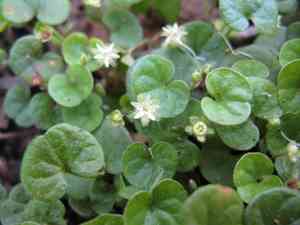
For lawn leaf, the peak period for successful relocation occurs in late spring, due to consistent warmth and favorable soil conditions. Select luminous, well-drained locations and carefully settle the roots, guaranteeing a smooth shift to their new environment.
Necessary Preparations Before Relocating Lawn Leaf?
When is the Best Time to Move Lawn Leaf?
The prime period for transplanting lawn leaf aligns with its peak growth phase, typically late spring. This timing leverages the plant's natural growth cycle, allowing the newly moved lawn leaf to benefit from extended daylight and moderate temperatures for establishment. Selecting this season provides lawn leaf with an optimal start in its new spot, ensuring vigorous growth and a lush look.
What Spacing is Recommended Between Lawn Leaf Plants?
When moving lawn leaf, provide each plant ample room to expand! An ideal separation between individual plants is approximately 6 inches (15 cm). This distance offers sufficient space while keeping them close enough to form a dense ground cover.
What is the Optimal Soil Blend for Lawn Leaf Transplantation?
Prior to relocation, ensure your soil drains well and is rich in organic matter. Lawn leaf thrives in a loamy soil base. Incorporate a balanced fertilizer to give the young lawn leaf a strong start. A slow-release granular fertilizer with a 10-10-10 ratio is a suitable option.
Where Should You Replant Your Lawn Leaf?
Selecting the correct site for lawn leaf is crucial. It thrives in full to partial sunlight, so choose a garden area that receives ample sun throughout the day. However, remember it tolerates some afternoon shade, especially in warmer climates.
What Equipment Should You Prepare Before Transplanting Lawn Leaf?
Gardening Gloves
To safeguard your hands while handling soil and lawn leaf.
Shovel
To excavate a hole in the ground for the lawn leaf plant.
Wheelbarrow
To effortlessly move the lawn leaf plant and soil.
Watering Can
To hydrate the lawn leaf plant before and after its relocation.
Pruning Shears
To carefully trim the lawn leaf plant if needed.
Compost
To supply nutrients to the plant and enhance soil structure.
Mulch
To aid in moisture retention and weed suppression around the lawn leaf plant.
How Do You Extract Lawn Leaf from the Soil?
How Do You Extract Lawn Leaf from the Soil?
From Ground: First, moisten the lawn leaf plant to soften the soil. Then, using a shovel, carefully dig a wide trench around the plant, ensuring the root ball remains intact. Gradually work the shovel beneath the root ball to lift the plant from its original spot.From Pot: Begin by watering the lawn leaf plant to facilitate removal. Tilt the pot sideways, gently hold the plant by its base, and slide it out. If it resists, tap the pot's bottom to loosen the soil and roots.From Seedling Tray: Water the tray thoroughly to soften the soil. With a gentle tool, carefully pry the lawn leaf seedling from under the root ball to avoid damaging young roots. Handle it by the leaves rather than the stem to prevent injury.
Step-by-Step Guide for Relocating Lawn Leaf
Prepare the New Location
Once you've identified the ideal spot for your lawn leaf plant, dig a hole twice as wide and as deep as the plant's root ball.
Carefully Lift the Plant
Using pruning shears, trim any dead or damaged roots. Ensure the root ball stays intact while lifting the plant.
Replant the Plant
Position the lawn leaf plant in the hole, making sure it's centered and level. The top of the root ball should be slightly above the surrounding soil.
Add Compost
Incorporate compost into the hole and gently firm the soil around the root ball.
Watering
After transplanting, water the lawn leaf plant deeply and slowly so moisture effectively reaches the root zone.
Apply Mulch
Spread a layer of mulch around the transplant site to help retain soil moisture and deter weeds.
How Do You Care For Lawn Leaf After Relocation?
Monitoring
Regularly observe the lawn leaf plant for any indications of stress, such as wilting or yellowing leaves.
Watering
While the lawn leaf plant adapts to its new environment, water it more frequently than established plants, keeping the soil moist but not waterlogged.
Pruning
If the plant exhibits signs of stress or damage, pruning may be necessary. Focus on removing dead or dying foliage to redirect energy towards new growth.
Protection
Newly transplanted lawn leaf plants might be more vulnerable to pests and diseases. Closely monitor your transplant and address any issues promptly to prevent their spread.
Troubleshooting Common Issues with Lawn Leaf Relocation.
When is the best time to move lawn leaf?
The optimal season to relocate lawn leaf is during Season 3, when temperatures are neither extremely hot nor freezing.
What's the best way to prepare the soil before moving lawn leaf?
Ensure soil is well-drained, loose, and fertile. Amend with compost if needed, and add a balanced fertilizer to encourage healthy lawn leaf growth.
How far apart should I space each lawn leaf during relocation?
Maintain a gap of approximately 6 inches (15 cm) between each lawn leaf to ensure adequate room for their growth and development.
What's the ideal amount of sunlight for lawn leaf after relocation?
Lawn leaf prefers partial to full sunlight. After transplanting, ensure the plant is situated in an area where it receives 4-6 hours of daily sunlight.
How often should I water lawn leaf after relocation?
Water lawn leaf thoroughly after transplanting. Subsequently, water when the top inch (2.5 cm) of soil feels dry. Avoid both over- and under-watering.
Do I need to use any specific fertilizers for lawn leaf after relocation?
Lawn leaf does not require specialized fertilizers. A general-purpose slow-release fertilizer applied during the growing season should suffice.
Should I prune lawn leaf after relocation?
While lawn leaf doesn't strictly require pruning, removing dead or damaged leaves after transplanting can promote a healthy and tidy appearance.
What to do if the leaves of lawn leaf turn yellow after relocation?
Yellow leaves could indicate excessive watering or a nutrient deficiency. Adjust your watering schedule, and consider a balanced fertilizer.
How can I safeguard my relocated lawn leaf from pests and diseases?
Regularly inspect for signs of pests. If detected, apply natural or chemical controls as appropriate. Ensure healthy growing conditions to minimize disease risk.
Should I apply mulch around my lawn leaf after relocation?
Yes, mulch can help retain soil moisture and suppress weeds. Apply a 2-3 inch (5-7 cm) layer around the plant, but keep it away from the stem to prevent rot.



