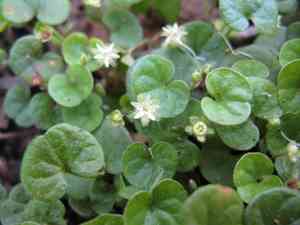
Lawn leaf (Dichondra repens)
Also known as: Mercury bay weed, Kidney grass, Dichondra pony foot
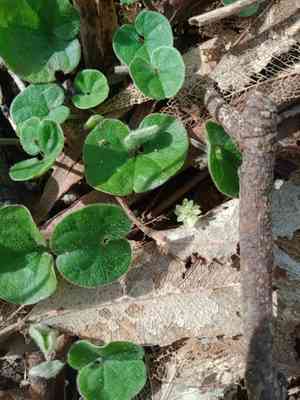
Dichondra repens, often called kidney weed, is a perennial herb known for its low, creeping growth habit and distinctive kidney-shaped leaves. Unlike many plants, it doesn't have a specific flowering season; its tiny, yellowish-green flowers can bloom throughout the year. While it is native to Australia and New Zealand, it has also been introduced to regions like the western United States and China.
In This Article
Attributes of Lawn leaf
Lifespan
Perennial
Plant Type
Herb
Plant Height
10 cm
Spread
1 m
Leaf Color
Green
Flower Size
2.5 cm
Flower Color
Yellow Green
Images of Lawn leaf
Quickly Identify Lawn leaf
1
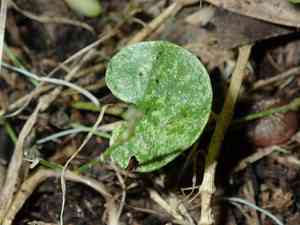
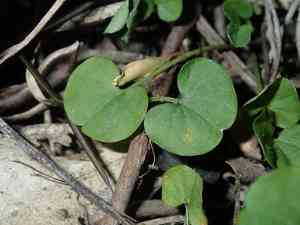
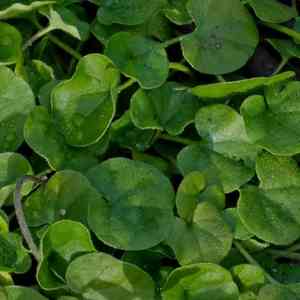
Identifying Dichondra repens involves looking for its distinctive small, kidney-shaped leaves which are about 0.5 to 2 cm wide. The leaves grow on long petioles and the plant has a prostrate growth that roots at nodes. It also produces inconspicuous greenish-yellow flowers.
Scientific Classification of Lawn leaf
Phylum
Vascular plants
Class
Dicotyledons
Order
Solanales
Family
Morning-glory
Genus
Dichondra
Species
Lawn leaf
Planting and Growing of Lawn leaf
Care Difficulty
Easy
Watering Schedule
Every 8 days
Sunlight Requirements
Full shade
Sunshine Duration
4-8 hours
Ideal Temperature
65-80℉
Soil Type
Potting Mix, Peat Mix
Soil pH
6-7.5
Fertilizer Type
Balanced
Pruning Season
Spring, Summer
Pruning Area
Branches, Leaves
Pruning Frequency
2 times a year
Repotting Season
Spring
Pot Type
Plastic, Terracotta
 How to Water Lawn leaf?
Dichondra repens, commonly known as kidney weed, prefers a moist environment but is not fond of being waterlogged. The ideal watering amount is about 250 milliliters per session, ensuring the soil remains moist but not soggy. It's crucial to allow the topsoil to dry slightly between waterings to prevent root rot.
What are the symptoms of an underwatered Lawn leaf?
›
What should I do if my Lawn leaf is not getting enough water?
›
What are the symptoms of an overwatered Lawn leaf?
›
How to save an overwatered Lawn leaf?
›
 What Are the Sunlight Requirements for Lawn leaf?
Dichondra repens thrives in partial sun to full shade, benefiting from these conditions by developing robust, green foliage and effective ground cover capabilities.
More About Sunlight Requirements Techniques→
How much sunlight does Dichondra repens prefer?
›
How to provide ideal sunlight for the plant?
›
What are the benefits of ideal sunlight for Dichondra repens?
›
 What Is the Ideal Temperature Range for Lawn leaf?
Dichondra repens thrives ideally in temperatures ranging from 65°F to 80°F. Maintaining this temperature range promotes healthy growth and foliage development. At these temperatures, the plant's metabolic processes work optimally, allowing for robust photosynthesis and respiration. Ensuring the environment mimics its natural habitat contributes significantly to its lush green appearance.
 What Soil is Best for Lawn leaf?
Dichondra repens thrives in soil that offers adequate drainage to avoid waterlogging, which can lead to root rot. Ensuring good drainage keeps the plant healthy and promotes extensive root development. A nutrient-rich soil helps Dichondra repens grow luxuriant foliage. Adding organic compost benefits the plant by providing essential nutrients, leading to vibrant, green leaves. While it requires good drainage, Dichondra repens also benefits from soil that retains some moisture to prevent drying out. Sandy loam with organic matter can achieve this balance, keeping the plant hydrated and healthy.
 How to Fertilize Lawn leaf?
For Dichondra repens, use a balanced liquid fertilizer diluted to half the recommended strength. Apply it evenly, ensuring the soil is slightly moist before and after application to prevent root burn. Avoid over-fertilizing to maintain healthy growth.
 How to Prune Lawn leaf?
To prune Dichondra repens, utilize a sharp pair of handheld shears or a lawnmower set at a high cutting level to trim the foliage. Focus on evenly trimming the plant to a height of about an inch, which encourages dense growth and maintains its attractive, low-ground-cover appearance. In cases where Dichondra repens has become particularly overgrown or is encroaching on unwanted areas, trim back the foliage more significantly in those spots. Cut back to just above ground level to prevent it from overtaking other plants or design aspects, and let it regrow in a controlled manner.
More About Pruning Techniques→
 How to Propagate Lawn leaf plant?
1
Start by collecting or purchasing seeds. Fill seed trays with potting mix, and evenly distribute seeds on the surface before lightly covering them with a thin layer of soil.
2
Select healthy, non-flowering stems and use pruning shears to cut a segment about 10 cm long. Remove the lower leaves, leaving only a few at the top.
3
Carefully dig out the whole plant and gently separate it into smaller clumps, ensuring each has roots attached. Replant these divisions in desired locations.
 How to Repot Lawn leaf plant?
1
Dichondra repens should be repotted when it shows signs of root binding or decreased growth. If you notice roots growing out of the drainage holes or the soil dries out quickly, it's time to repot.
2
Select a pot that is at least one size larger than the current one. Ensure it has good drainage holes. This will allow the plant’s roots to expand and provide better drainage, reducing the risk of root rot.
3
Choose a soil mix that is well-aerated and drains quickly, such as a sandy or loamy mix. This ensures that water doesn't stagnate around the roots, which helps in preventing potential root problems.



