How to Prune Lawn leaf?
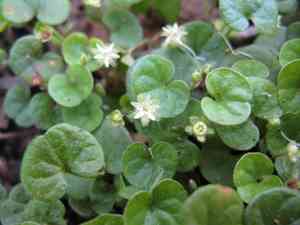
A low-growing perennial recognized for its reniform leaves and easy care, lawn leaf needs infrequent trimming to preserve its compactness and control expansion. Lightly prune at the commencement of the active growth period (spring) to eliminate deceased leaves and foster a fuller appearance. Occasional adjustments during summer and fall can uphold its form. Trimming also boosts its vitality and might deter the proliferation of unwanted organisms. As lawn leaf withstands cutting effectively, employ sharp clippers to maintain tidy borders and prevent excessive growth.
Advantages of Trimming Lawn Leaf
Advantages of Trimming Lawn Leaf
Trimming lawn leaf promotes robust development and helps preserve its desired compact form, crucial for consistent ground cover and visual appeal.
Optimal Time for Trimming Lawn Leaf
Optimal Time for Trimming Lawn Leaf
Trimming lawn leaf in Spring stimulates a burst of growth as the plant exits dormancy. Early Summer cuts allow for shaping and growth management without hindering the plant's energy production during its peak growing period. Autumn pruning should be light to avoid new growth susceptible to frost damage. Refrain from heavy pruning late in the Fall as it can stress lawn leaf before dormancy. These periods ensure the plant maintains vigor and recovers swiftly, bypassing times of high stress like winter cold and mid-summer heat.
Tools Required for Trimming Lawn Leaf
Hand Shears
Given that lawn leaf is typically a ground cover with delicate foliage, hand shears are vital for precise trimming and shaping of the plant.
Hedge Clippers
For larger areas of lawn leaf, hedge clippers enable quick and even cutting across extensive spaces, aiding in the maintenance of its dense, mat-like growth.
Manual Lawn Edger
Lawn leaf often needs clear boundaries around garden beds or paths; a manual lawn edger provides a clean cut and helps control the plant's spread.
Grass Scissors
Lawn leaf may grow in smaller, more delicate spots where larger tools are impractical. Grass scissors are perfect for minor touch-ups and maintaining the desired plant border without harming nearby plantings.
How to Trim Lawn Leaf
Sanitize Tools
Before beginning, sanitize all trimming tools to prevent disease transmission. Clean cuts will help lawn leaf heal faster.
Remove Diseased Parts
Identify and carefully remove any diseased leaves and stems by cutting them at the base without harming adjacent healthy tissue.
Trim Withered Parts
Trim off withered leaves to maintain the appearance and health of lawn leaf, using sharp scissors or shears for clean cuts.
Cut Dead Branches
Cut back any dead branches to the point of healthy growth, ensuring not to damage the living stems crucial for lawn leaf's regeneration.
Clean Up
Collect and dispose of all trimmed material properly to prevent the spread of any potential diseases in lawn leaf. Always leave the area tidy to promote a healthy growing environment.
Common Trimming Errors with Lawn Leaf
Excessive Trimming
Removing too much foliage from lawn leaf at once can stress the plant, hinder growth, and make it susceptible to diseases.
Incorrect Cutting Method
Using dull or dirty tools can damage lawn leaf's stems, leading to an increased risk of disease and pest infestation.
Ignoring Plant Shape
Not considering the natural shape of lawn leaf during trimming can result in an unnaturally shaped plant that may not grow as desired or could suffer from reduced vitality.
Trimming Too Close
Cutting the stems of lawn leaf too close to the node can prevent new growth. It's essential to leave a small amount of stem to encourage healthy new shoots.
General Trimming Advice for Lawn Leaf
Use Proper Tools
Utilize sharp, clean shears or scissors to make precise cuts that will heal quickly, reducing the risk of disease for lawn leaf.
Maintain Plant Form
Follow the natural shape of lawn leaf when cutting back to maintain an aesthetic appearance and encourage uniform growth.
Gradual Trimming
Gradually trim back lawn leaf over several sessions, especially if significant shaping is needed, to minimize stress on the plant.
Focus on Healthy Growth
Target dead or yellowing leaves, as well as overly dense areas, to ensure light and air can reach all parts of lawn leaf, promoting a healthier plant.



