How to Propagate Lawn leaf?
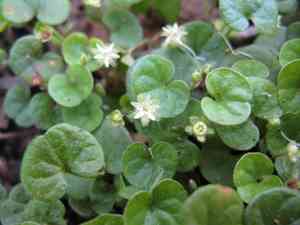
Lawn leaf thrives as an ornamental ground cover because of its thick foliage and adaptability to various environments. Multiplying this plant, particularly through cuttings, offers an efficient way to increase its quantity in horticultural settings. Utilizing robust, non-blooming stem segments and rooting them either directly in earth or in water fosters swift development. It is crucial to ensure consistent hydration while preventing oversaturated conditions, as lawn leaf favors a substrate that drains effectively. To achieve successful establishment, choosing a location with sufficient diffused sunlight will encourage root formation without inducing strain from intense solar radiation.
When Is the Best Time to Propagate Lawn Leaf?
Propagation Method
Cutting
Propagation Period
Spring,Summer
What Tools Are Necessary for Lawn Leaf Propagation?
Sharp Scissors or Pruning Shears
These implements are vital for achieving clean cuts on lawn leaf's stems when preparing cuttings. A precise, sterile cut helps prevent infection and ensures a faster healing process. Using dull tools can crush stem tissues, impeding root development.
Rooting Hormone
This chemical assists in stimulating root formation from cutting bases. Applying rooting hormone to the cut end of lawn leaf significantly boosts the likelihood of successful rooting, as it promotes quicker callus formation and subsequent root initiation, which is crucial for the delicate initial stages of lawn leaf's development.
Sterilized Potting Mix
Utilizing a fresh, pathogen-free potting mix is essential for lawn leaf cuttings to avoid introducing diseases that could harm the cuttings. A well-draining, sterile medium supports the development of healthy roots without retaining excessive moisture that could lead to rot.
Small Pots or Trays
These containers are utilized for planting the individual lawn leaf cuttings. They should possess adequate drainage holes to ensure surplus water can escape, preventing root rot and establishing an optimal moisture balance for root growth.
Plastic Covers or Mini Greenhouses
Creating a humid environment around lawn leaf cuttings is fundamental for their survival and growth. Covers or mini greenhouses help maintain a high humidity level, mimicking a natural, nurturing environment, which enhances the rooting process by preventing the dehydration of the cuttings.
How to Propagate Lawn Leaf?
Propagation Difficulty
Easy
How to Care for Your Newly Propagated Lawn Leaf?
How to Care for Your Newly Propagated Lawn Leaf?
Once roots have formed, typically indicated by new growth, gradually accustom lawn leaf to less humid conditions by removing the plastic cover for increasing durations. When lawn leaf is stable, transfer it into a larger pot or your garden. Ensure a location with well-draining soil and partial to full sunlight. Keep the soil consistently moist but not waterlogged, and avoid overhead watering to prevent fungal diseases. Fertilize with a balanced liquid fertilizer monthly during the growing season.
Common Errors to Avoid When Propagating Lawn Leaf
Overwatering
Watering lawn leaf too frequently can lead to root rot, as this species prefers drier conditions for root establishment. Excessive moisture hinders proper root development and increases susceptibility to fungal diseases.
Deep planting
Placing the stem cuttings of lawn leaf too deeply into the substrate can diminish their chances of rooting properly. Lawn leaf requires light exposure for optimal root initiation and growth.
Neglecting humidity
Lawn leaf cuttings thrive in a humid environment during the initial stages of root development. A lack of humidity can cause the cuttings to dry out and fail to root.
Improper cutting selection
Using non-viable or unhealthy cuttings from the parent lawn leaf plant can prevent successful propagation. Weak or diseased cuttings struggle to develop roots and grow into healthy plants.
Tips For Propagating Lawn Leaf
Use well-draining medium
Plant lawn leaf cuttings in a well-draining substrate to prevent waterlogging. A mixture of peat, perlite, and sand allows for adequate moisture without retaining excessive water, which is ideal for root development.
Provide bright, indirect light
Place lawn leaf in bright, indirect light to encourage rooting. Direct sunlight can scorch newly developing leaves, while insufficient light can weaken the cuttings.
Use rooting hormone
Applying a rooting hormone to the cut end of lawn leaf cuttings can stimulate root growth and improve the success rate of propagation. This helps the plant to establish a healthy root system more quickly.
Maintain optimal humidity
To increase humidity around lawn leaf cuttings, cover them with a plastic bag or place them in a propagation chamber. This recreates the moist environment necessary for successful root development.



