How Much Sunlight Do Lawn leaf Need?
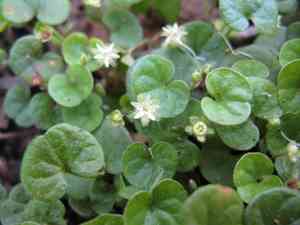
1
Lawn leaf thrives in direct sun but can endure some shade.
2
Provide your Lawn leaf with a minimum of 6 hours of daily sun for best development.
3
Modify sun exposure according to seasonal shifts to maintain your Lawn leaf's well-being.
Grasping Lawn leaf Light Requirements
Why Light Matters for Lawn leaf
Light is crucial for Lawn leaf as it plays a vital role in photosynthesisâthe process where plants convert light energy into chemical energy to fuel their growth. Sufficient light ensures your Lawn leaf has the energy needed for robust roots, dense foliage, and a vivid green hue. Without enough light, Lawn leaf can weaken, leading to poor development and increased disease vulnerability.
Ideal Light Exposure for Lawn leaf
Lawn leaf thrives best in full sun, meaning it should get at least 6 hours of direct sunlight daily. This ample light allows the plant to photosynthesize efficiently, promoting lush and vigorous growth. While it can endure partial shade, full sun is perfect for strong development and maintaining a healthy look.
Impacts of Too Little or Too Much Light
Both insufficient and excessive light can negatively affect your Lawn leaf. Underexposure, occurring when the plant doesn't receive the nearly 6 hours of recommended daily light, can lead to weak, elongated growth and a pale color. Conversely, overexposure, especially in very hot or dry conditions, can cause leaf burn, browning, and dehydration. Balancing the correct amount of light is essential for your Lawn leaf's overall health.
Optimal Light Conditions for Lawn leaf Growth
Partial Shade vs. Full Sun: Which is Better?
When choosing between partial shade and full sun for your Lawn leaf, full sun is generally the superior choice. Full sun exposure guarantees enough light for photosynthesis, resulting in a healthier and more resilient plant. While partial shade can be tolerated, it's best avoided if you aim for the lush, green carpet effect that Lawn leaf is known for.
Seasonal Light Changes and Lawn leaf
Seasonal shifts can impact the amount of light your Lawn leaf receives. During summer, days are longer, providing more natural light. In contrast, winter has shorter days with reduced light, especially in certain areas. It's important to track the light your Lawn leaf gets throughout the year and make adjustments, such as moving the plant or pruning nearby trees and shrubs, to ensure it continues to receive adequate light.
Tips for Modifying Light Exposure
If your Lawn leaf isn't getting enough light, consider moving it to a sunnier spot in your garden. You can also trim any overhanging branches or nearby plants that might be blocking light. Conversely, if your Lawn leaf is exposed to too much direct light, provide some shade using garden umbrellas, shade cloths, or by placing the plant where it benefits from filtered light during peak sun hours.
Signs Your Lawn leaf Needs More or Less Light
Symptoms of Insufficient Light
When Lawn leaf doesn't get enough light, you'll notice signs like leggy growth, where the plant stretches out seeking light, leading to sparse, weak foliage. The leaves may turn a lighter green or even yellow, and the plant overall may appear less vibrant and unhealthy.
Symptoms of Excessive Light
In cases of too much light, Lawn leaf may show signs of stress such as browning or scorched leaf tips, wilting, and dehydration. The plant might also lose its vibrant green color, appearing more faded and damaged. It's crucial to recognize these symptoms early to adjust light exposure and prevent further harm.
Resolving Light-Related Issues
To fix problems related to light exposure, first determine if your Lawn leaf is getting too much or too little light. For insufficient light, move the plant to a brighter location or increase its exposure by removing obstructions. For excessive light, provide shade during the hottest parts of the day or relocate the plant to a spot with dappled light. Consistent monitoring and adjustments will help maintain your Lawn leaf's optimal health and appearance.



