Enhancing Your Garden Design with the Lawn leaf Plant: A Landscaping Guide
1
Lawn leaf offers a distinct texture and lively hue, boosting your garden's aesthetic charm.
2
Integrated with other flora, Lawn leaf aids in crafting a harmonious and visually appealing outdoor space.
3
Appropriate upkeep and care for Lawn leaf are crucial to prevent typical landscaping errors and guarantee a flourishing, robust garden.
Appreciating the Visual Appeal of Lawn leaf
Aesthetic traits: texture and color contrast
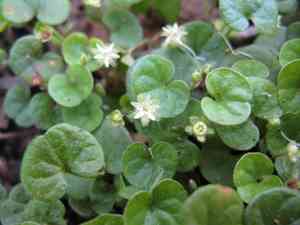
A standout characteristic of Lawn leaf is its distinct texture and color variation. This plant showcases abundant, green foliage that forms a carpet-like effect, bringing a rich, natural beauty to your outdoor space. Its small, circular leaves offer a soft-textured look, making it an excellent option for ground cover in gardens. The color of Lawn leaf stays vibrant for most of the year, providing a refreshing green shade that can serve as a backdrop for other colorful plants, flowers, and decorative grasses.
Establishing focal points within garden layouts
Lawn leaf can be strategically employed to establish focal points within your garden design. By planting it in specific zones, such as around garden decorations, along pathways, or next to larger landscape elements like ponds and rock gardens, you can draw attention to these features. Its low-growing nature allows it to accentuate other plants and structures without overshadowing them. This helps to create a visually engaging and unified garden arrangement.
Lawn leaf's contribution to seasonal landscape beauty
Seasonal shifts can significantly impact your garden's appearance, but Lawn leaf helps maintain an attractive aesthetic throughout the year. Unlike some plants that become dull or shed their leaves in certain seasons, Lawn leaf keeps its vibrant green foliage, ensuring your garden remains appealing even in colder months. Incorporating Lawn leaf into your garden guarantees continuous visual interest, bridging the gap between the seasonal blooms of other plants.
Incorporating Lawn leaf with Other Plants in Landscaping
Complementary plants that pair well with Lawn leaf
To maximize your landscape's visual appeal, it's crucial to combine Lawn leaf with compatible plants. Consider pairing it with taller plants that have contrasting foliage colors or textures, such as ornamental grasses, flowering perennials, and shrubs. This creates a layered effect that adds depth and dimension to your garden. Additionally, the dense growth of Lawn leaf can help suppress weeds, fostering a healthy environment for other plants to flourish.
Design principles for plant layering and spacing
Effective layering and spacing are fundamental principles in landscape design. When integrating Lawn leaf, begin by placing taller plants towards the rear of the garden bed and gradually move to shorter plants in the front. This method ensures that each plant is visible and receives adequate sunlight. Be sure to space Lawn leaf appropriately to allow for growth and to prevent overcrowding, which can lead to poor air circulation and increased susceptibility to disease.
Lawn leaf's influence on biodiversity and ecological balance
Introducing Lawn leaf into your landscape can positively affect biodiversity and ecological balance. As a ground cover, it offers habitat and refuge for various beneficial insects and small wildlife. Lawn leaf can also help retain soil moisture and prevent erosion, promoting a healthier garden ecosystem. By fostering a more diverse plant community, you support a range of organisms and contribute to the overall ecological well-being of your garden.
Practical Advice for Integrating Lawn leaf Into Your Landscape
Soil and sunlight needs to optimize growth
To ensure Lawn leaf thrives in your garden, it's vital to meet its soil and sunlight requirements. Lawn leaf prefers well-draining soil with a neutral to slightly acidic pH. While it can endure partial shade, it performs best in full sunlight. Before planting, prepare the soil by adding organic matter to enhance fertility and drainage. Ensuring the right conditions will promote vigorous growth and a lush appearance.
Watering schedules and maintenance recommendations
Proper watering is crucial for the health of Lawn leaf. Water the plant deeply but infrequently to encourage deep root development. It's important to keep the soil consistently moist but not waterlogged. Regularly check the soil moisture levels and adjust your watering schedule based on weather conditions. Additionally, routine maintenance such as weeding, mulching, and occasional fertilization will keep Lawn leaf healthy and vibrant.
Avoiding common landscaping errors with Lawn leaf
Avoid typical landscaping mistakes to ensure the success of Lawn leaf in your garden. Overcrowding is a frequent issue; ensure sufficient spacing to prevent competition for resources. Avoid overwatering, which can lead to root rot and other fungal diseases. Finally, be mindful of its growth habits and regularly trim or contain Lawn leaf to prevent it from spreading into undesirable areas. By following these tips, you can enjoy the many benefits Lawn leaf brings to your landscaping design.



