How to Transplant Longhair plume grass?
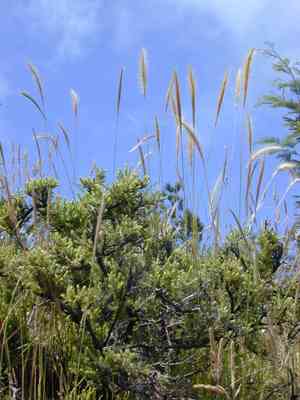
The optimal period for transplanting longhair plume grass spans from the vigor of mid-spring to the mildness of early summer, facilitating strong root development. Select a sun-drenched location featuring soil that drains effectively to guarantee its flourishing new beginning.
What Preparations are Needed Before Transplanting Longhair Plume Grass?
What is the Ideal Time for Transplanting Longhair Plume Grass?
The perfect time for moving longhair plume grass is during its peak growth phase, specifically from late spring through early summer. Relocating longhair plume grass at this time aligns with its natural cycle, allowing sufficient time for root establishment and adaptation before intense heat. This timing ensures roots are strong enough to absorb vital nutrients and moisture, crucial for longhair plume grass to thrive year-round.
How Much Space Should You Leave Between Longhair Plume Grass Plants?
When preparing to rehome your longhair plume grass, aim to position each plant approximately 6-8 inches (15-20 cm) apart. This spacing provides ample room for root expansion and healthy development without overcrowding.
What is the Best Soil Mix for Longhair Plume Grass Transplanting?
Before your longhair plume grass settles in, combine rich, loamy soil with a balanced, slow-release fertilizer to provide a nourishing start. The soil must drain well to keep your plant healthy.
Where Should You Relocate Your Longhair Plume Grass?
Select a location for your longhair plume grass that receives abundant sunlight, ideally full sun, to promote tall and elegant growth. Ensure it will be exposed to direct rays for most of the day!
What Equipments Should You Prepare Before Transplantation Longhair Plume Grass?
Gardening Gloves
To safeguard your hands while handling soil and plants.
Shovel or Spade
For excavating the longhair plume grass with minimal root disturbance.
Watering Can or Hose
To hydrate the longhair plume grass both before and after its relocation.
Garden Fork
To loosen soil and assist in extracting the longhair plume grass from its current spot if planted in the ground.
Wheelbarrow or Plant Tray
To transport the longhair plume grass from its original site to the new planting area.
Garden Trowel
For detailed work around the root system and planting in the new location.
Root Pruning Shears
To trim any damaged or excessively long roots prior to transplanting.
Mulch
To aid in retaining soil moisture and suppressing weeds around the newly transplanted plant.
Support Stakes
If the longhair plume grass has tall plumes that require stabilization.
Measuring Tape
To correctly space the plants according to their mature dimensions.
How Do You Remove Longhair Plume Grass from the Soil?
How Do You Remove Longhair Plume Grass from the Soil?
From Ground: First, moisten the longhair plume grass plant's soil to make it easier to manage. Carefully dig a wide circle around the plant using a shovel or spade, taking care not to cut any roots. Angle the shovel blade to slide beneath the root ball, then use leverage to gently lift the plant from the soil.From Pot: Start by watering the longhair plume grass in its container to facilitate root ball removal. Hold the plant's base and gently tip the pot sideways. If needed, tap or press the pot's sides to help dislodge the root ball. Guide the plant out by supporting the root ball and pulling the pot away.From Seedling Tray: Water the tray thoroughly to prevent root damage during extraction. Use a garden trowel or small hand tool to loosen the soil around individual plant cells. Lift each seedling by cradling the root ball, being careful not to pull on the longhair plume grass's stems or leaves.
Step-by-Step Guide for Transplanting Longhair Plume Grass
Checking Roots
Examine the root system of the longhair plume grass for any indications of disease or damage. Use root pruning shears to remove any unhealthy or circling roots to encourage outward growth in its new spot.
Preparing the New Hole
Dig a hole in the chosen location that is twice the width of the root ball and of equal depth. Loosen the soil at the bottom of the hole with a fork to assist root penetration.
Placing the longhair plume grass
Position the longhair plume grass into the hole, ensuring it sits at the same soil level as it did previously. Adjust the hole if necessary.
How Do You Care For Longhair Plume Grass After Transplanting?
Immediate Watering
Water the longhair plume grass generously right after transplanting to settle the soil around its roots and help reduce transplant shock.
Mulching
Apply a layer of mulch around the base of the longhair plume grass to conserve moisture, maintain consistent soil temperature, and deter weeds.
Staking
If longhair plume grass was previously supported or is expected to need support as it grows taller, install stakes and loosely tie them to the plants to prevent wind damage.
Monitoring
Observe the longhair plume grass closely over the next few weeks. Look for signs of transplant shock, such as wilting or discolored leaves, and take corrective measures if necessary.
Gentle Fertilization
After approximately 4-6 weeks, once the longhair plume grass has had time to establish, consider a light fertilization to support healthy growth, if not already addressed in prior care.
Troubleshooting Common Issues with Longhair Plume Grass Transplantation.
When is the best time to transplant longhair plume grass?
The ideal period to transplant longhair plume grass is when temperatures are moderate, typically from mid-spring to early summer.
How far apart should I space longhair plume grass when transplanting?
Aim for a spacing of about 6-8 inches (15-20 cm) between longhair plume grass plants to allow each to thrive.
What soil conditions does longhair plume grass need for successful transplanting?
Ensure rich, well-draining soil with ample organic matter to foster robust root development for longhair plume grass.
How deep should I plant longhair plume grass's roots when transplanting?
Position the roots of longhair plume grass so the crown rests just at or slightly below the soil surface.
Should I water longhair plume grass immediately after transplanting?
Yes, water longhair plume grass thoroughly to settle the soil around its roots and aid in recovery from transplant shock.
What is the best way to handle longhair plume grass's roots when transplanting?
Gently separate tangled roots and trim any that are broken or dead before planting longhair plume grass.
How much sunlight does longhair plume grass require after transplanting?
Place longhair plume grass in a location where it will receive full sun to partial shade post-transplant for optimal growth.
Can I transplant longhair plume grass during a hot day?
It's preferable to transplant longhair plume grass on a cooler, overcast day or in the late afternoon to minimize stress.
How do I know if longhair plume grass is experiencing transplant shock?
Signs of transplant shock in longhair plume grass include wilting, yellowing leaves, or a lack of new growth.
Can I fertilize longhair plume grass right after transplanting?
Wait a few weeks before fertilizing longhair plume grass to allow its roots to establish in their new environment.



