How to Propagate Longhair plume grass?
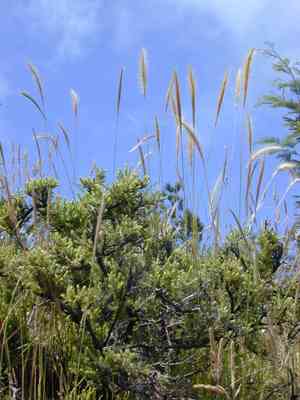
Pennisetum villosum, a perennial grass, is recognized for its appealing, plume-like flower heads. To achieve successful propagation, it is advisable to divide mature plant clusters. Gently detach the smaller sections from the main plant, making certain that every new segment possesses sufficient roots. Immediately replant these divisions, providing thorough watering to stimulate root growth. These plants are robust and will readily take root in appropriate environments, flourishing with consistent care.
Optimal Period for Propagating Longhair Plume Grass?
Propagation Method
Division
Propagation Period
Spring,Autumn
Equipment Used in Longhair Plume Grass Propagation?
Sharp spade or division knife
A keen spade or dividing knife is crucial for neatly separating the root clumps of longhair plume grass. This implement aids in making precise cuts that minimize harm to the root system, ensuring each section possesses a healthy root portion, vital for the plant's successful re-establishment.
Garden fork
A garden fork serves to gently elevate the root ball of longhair plume grass from the earth. Its tines enable careful maneuvering around the roots without excessive disturbance, which is important for preserving the plant's health and viability during the division process.
Watering can with a soft spray attachment
Following propagation, it's important to ensure longhair plume grass receives adequate hydration to aid recovery and root development. A watering can with a gentle spray attachment delivers a mild water flow, reducing the risk of soil erosion around newly planted divisions.
Rooting hormone (optional)
Applying a rooting hormone to the severed surfaces of the divided roots can boost root growth and enhance the overall success rate of propagation for longhair plume grass. This is particularly advantageous for ensuring robust root development in each new plant segment.
Potting mix or compost
Enriched potting mix or compost supplies the essential nutrients and support for the new divisions of longhair plume grass. Utilizing a high-quality, well-draining growing medium fosters healthy root growth and assists in the plant's quicker establishment.
Labels and marker
To monitor the propagation process, labels and a permanent marker can be employed to tag each division of longhair plume grass. This is especially useful for noting the division date and any specific care instructions, which helps in tracking the plant's progress and maintaining proper care routines.
How to Propagate Longhair Plume Grass?
Propagation Type
Easy
How to Nurture Your Newly Propagated Longhair Plume Grass?
How to Nurture Your Newly Propagated Longhair Plume Grass?
After propagation, keep the soil around longhair plume grass consistently moist but not waterlogged, as excessive wetness can lead to root rot. Apply a thin layer of mulch to retain moisture and suppress weeds. Avoid high nitrogen fertilizers; instead, opt for a balanced fertilizer to encourage healthy growth without excessive foliage. Regularly inspect for pests and diseases, as longhair plume grass can be susceptible to common grass ailments. Finally, as the plants mature, you can trim back dead foliage in late winter to promote fresh, vigorous growth in the spring.
Common Errors to Avoid When Propagating Longhair Plume Grass
Excessive watering during germination
Applying too much water can lead to waterlogged conditions, which are detrimental for longhair plume grass's seeds. It hinders germination by reducing oxygen availability to the seed, potentially causing decay.
Sowing seeds too deep
Seeds of longhair plume grass require light to germinate effectively. Planting them too deep could impede their ability to sprout, as they may not receive sufficient light.
Neglecting initial growth conditions
Failing to provide a stable environment during the early stages of growth can result in weak or stunted plants. This includes maintaining consistent moisture and shielding seedlings from extreme conditions.
Advice For Propagating Longhair Plume Grass
Surface sowing
Since longhair plume grass's seeds require light for germination, surface sowing is recommended. Lightly pressing the seeds into the surface of a well-draining growing medium ensures they are positioned to receive ample light.
Maintain consistent moisture
Keep the soil moist but not waterlogged. Using a fine mist to water the seeds helps prevent them from being buried deeper into the soil by heavy watering.
Provide light and protection
Ensure longhair plume grass receives plenty of light after sowing without exposure to harsh direct sunlight. Using a light fabric or frost cloth can help manage light intensity and protect young seedlings from pests and extreme weather.



