The Longhair plume grass Plant Advantage: Maximizing Home and Office Appeal and Wellness
1
This indigenous grass offers shelter and sustenance to regional fauna.
2
It flourishes across diverse soil conditions, making it a flexible landscaping option.
3
Its strong root network aids in preventing soil degradation.
What Are the Environmental Advantages of Longhair plume grass?
Longhair plume grass Supports Local Wildlife
A key benefit of Longhair plume grass is its capacity to sustain local fauna. This plant offers vital habitat and food sources for various bird and insect species. Its dense foliage provides refuge, while its seeds and plant material serve as sustenance, enhancing an area's biodiversity.
Longhair plume grass Enhances Soil Quality
This plant is excellent for improving soil health. It possesses a robust root system that helps stabilize the soil and prevent erosion. Furthermore, Longhair plume grass can better soil structure and increase its organic matter content, fostering improved growth conditions for nearby plants. Its deep roots also aid in water infiltration, reducing runoff and promoting groundwater replenishment.
How Is Longhair plume grass Versatile in Different Environments?
Longhair plume grass Flourishes in Various Soil Types
Longhair plume grass is recognized for its adaptability to diverse soil types, making it a flexible option for various landscaping endeavors. Whether you're dealing with sandy, clay, or loamy soil, Longhair plume grass can establish itself and thrive. This versatility ensures it remains a resilient plant, capable of surviving challenging conditions with minimal upkeep.
Low Maintenance and Drought Tolerant
Longhair plume grass requires minimal upkeep once established. It is highly tolerant of drought, making it an excellent choice for regions experiencing water shortages or for gardeners seeking low-maintenance plants. This resistance to dry conditions reduces the need for frequent watering, thereby conserving water resources while maintaining a green and vibrant landscape.
How Can Longhair plume grass Be Utilized in Sustainable Landscaping?
Longhair plume grass in Erosion Control
With its strong and extensive root system, Longhair plume grass is highly effective in managing soil erosion. It is frequently used on slopes and embankments to stabilize the soil and prevent it from washing away during heavy rainfall. This makes it a valuable asset in both urban and rural landscaping projects where erosion prevention is a concern.
Aesthetic and Functional Landscaping
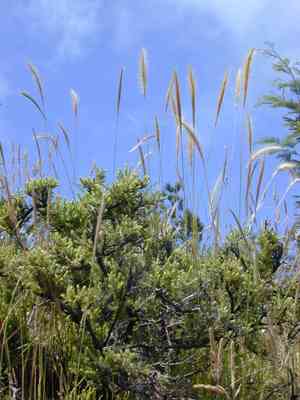
Longhair plume grass adds both visual appeal and practical value to landscapes. Its long, flowing plumes create a visually pleasing effect, blending well with other native plants and ornamental grasses. It can be used in naturalistic gardens, meadows, and as a decorative element in more structured landscapes. Moreover, its ability to provide cover and food for wildlife makes it a multipurpose plant that enhances the ecological value of any garden or landscape.
How Does Longhair plume grass Contribute to Biodiversity?
Encouraging Native Plant Communities
Incorporating Longhair plume grass into your landscaping plan can foster the growth of native plant communities. When used alongside other indigenous species, Longhair plume grass helps create a balanced ecosystem that supports a wide array of wildlife. This promotes a healthy, self-sustaining environment that requires less human intervention and enhances biodiversity.
Companion Planting with Longhair plume grass
Companion planting with Longhair plume grass can benefit other plants in your garden. This plant can serve as a protective barrier, shielding more delicate plants from wind and offering shade. Its presence can also attract beneficial insects that assist with pollination and pest control, contributing to a healthier and more productive garden.



