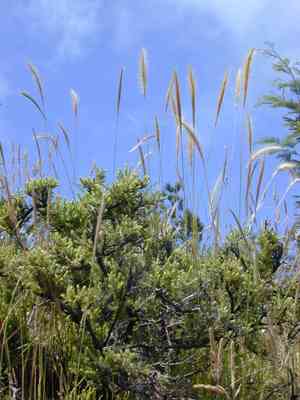
Longhair plume grass (Dichelachne crinita)
Also known as: Long-hair Plumegrass, Stipa crinita
Longhair plume grass is a tufted perennial that can grow up to 1.5 meters tall. Its flowers, which are oblong or cylindrical panicles, bloom in the spring.
In This Article
Attributes of Longhair plume grass
Lifespan
Perennial
Plant Type
Grass
Plant Height
0.5-1.5 meters
Spread
0.3-0.6 meters
Leaf Color
Green
Flower Size
15-25 cm
Flower Color
Green
Images of Longhair plume grass
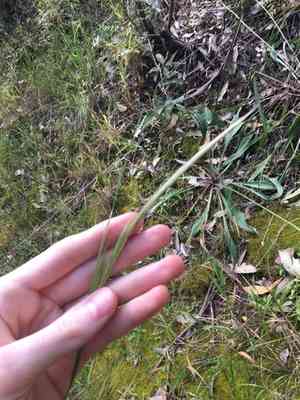
Quickly Identify Longhair plume grass
1
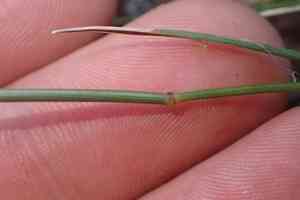
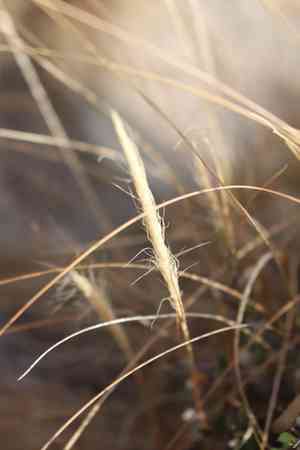
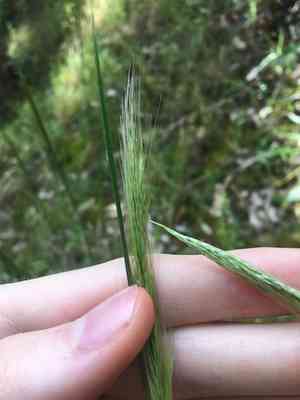
Dichelachne crinita can be identified by its long, silky awns and dense, tufted growth habit. Its leaves are narrow and rough to the touch, and the flower heads are long and feathery, resembling plumes.
Scientific Classification of Longhair plume grass
Phylum
Vascular plants
Class
Monocotyledons
Order
Poales
Family
Grass
Genus
Plume grass
Species
Longhair plume grass
Planting and Growing of Longhair plume grass
Care Difficulty
Easy
Watering Schedule
Every 2 days
Sunlight Requirements
Full sun
Sunshine Duration
6-10 hours
Ideal Temperature
60-77℉
Soil Type
Potting Mix, Peat Mix
Soil pH
6.5-7.5
Fertilizer Type
Balanced
Pruning Season
Spring, Summer
Pruning Area
Branches, Leaves
Pruning Frequency
2 times a year
Repotting Season
Spring
Pot Type
Plastic, Ceramic
 How to Water Longhair plume grass?
Dichelachne crinita thrives with a balanced watering regimen, ideally 500 ml per session. This amount ensures that the roots are adequately saturated without waterlogging the soil. Always allow the top layer of soil to dry out between waterings to prevent root rot.
What are the symptoms of an underwatered Longhair plume grass?
›
What should I do if my Longhair plume grass is not getting enough water?
›
What are the symptoms of an overwatered Longhair plume grass?
›
How to save an overwatered Longhair plume grass?
›
 What Are the Sunlight Requirements for Longhair plume grass?
Dichelachne crinita thrives in full to partial sun. The ideal light conditions encourage dense growth and enhance the plant's natural aesthetics, leading to a hardier plant capable of withstanding environmental stressors.
More About Sunlight Requirements Techniques→
What is the best lighting condition?
›
How to achieve ideal lighting conditions?
›
What are the benefits of ideal lighting?
›
 What Is the Ideal Temperature Range for Longhair plume grass?
The ideal temperature range for Dichelachne crinita is between 60°F and 77°F. This range ensures optimal growth and health of the plant, providing the right balance of warmth required for photosynthesis and other metabolic processes. Maintaining temperatures within this range supports robust root development and leaf growth.
 What Soil is Best for Longhair plume grass?
Dichelachne crinita thrives best in well-drained soils that prevent waterlogging. Adequate drainage helps prevent root rot and ensures the plant receives only the moisture it needs, contributing to robust growth. This species benefits from rich, fertile soil that's high in organic matter, enhancing nutrient availability and encouraging healthy root development and vigorous vegetation. While good drainage is essential, the soil must also retain some moisture to sustain the plant during dry periods. This balance aids in maintaining soil moisture levels that contribute to consistent plant health.
 How to Fertilize Longhair plume grass?
Dichelachne crinita thrives with a balanced approach to fertilization. A general guideline is to use a half-strength liquid fertilizer solution. This ensures ample nutrients without overwhelming the plant, facilitating steady growth and ensuring vibrant foliage.
 How to Prune Longhair plume grass?
Begin by identifying and removing any dead or diseased foliage to prevent decay. Focus on maintaining the natural shape of the plant, cutting above a leaf node or bud for optimal regrowth. Trim all sides evenly to retain balance and enhance light penetration throughout the plant structure. While pruning, consistently monitor the plant’s overall density. Cutting too much can hinder its ability to photosynthesize effectively; thus, aim to remove no more than one-third of the foliage at any given time.
More About Pruning Techniques→
 How to Propagate Longhair plume grass plant?
1
Mix a well-draining soil medium in the seed tray for optimal seed germination. Ensure the soil mixture is loose and not compacted, allowing for root penetration and aeration. A combination of peat moss, vermiculite, and perlite often provides a fine balance for seed starting mixtures.
2
Gently scatter the seeds over the prepared soil surface in the seed tray. The seeds should be evenly distributed to prevent overcrowding, which can lead to competition for resources and hinder growth. Cover lightly with a thin layer of soil to protect the seeds from direct exposure.
3
Regularly water the soil with a fine-headed watering can, ensuring the soil remains moist but not waterlogged. Maintaining adequate moisture levels is critical for germination; however, excessive watering could cause the seeds to rot or seedlings to become prone to fungal infections.
 How to Repot Longhair plume grass plant?
1
Repot Dichelachne crinita when you notice roots coming out of the drainage holes or the growth slowing. Spring and autumn are ideal since moderate temperatures allow the plant to recover easily from the stress of repotting.
2
Select a pot that is one size larger than the current one. Ensure it has ample drainage holes to prevent waterlogging. A slightly larger pot provides enough room for root expansion, promoting healthier growth without overwhelming the plant.
3
Opt for well-draining sandy soil enriched with organic matter. This combination provides adequate drainage to prevent root rot and supplies essential nutrients to support vigorous growth and a robust root system.



