How to Prune Longhair plume grass?
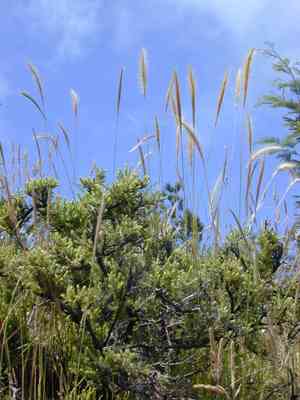
Originating from Australia, this enduring clump-forming grass is recognized for its delicate leaves and plume-like inflorescences. For longhair plume grass, trim away deceased or aged foliage from the base in early spring or during winter to stimulate new development and preserve the plant's form. Eliminate faded flower stems to deter self-propagation, if preferred. Trimming improves air movement, lowering the chance of illness, and ensures the clusters remain thick and appealing. Refrain from severing into the green foundational growth to avert harm.
What Are the Benefits of Pruning Longhair Plume Grass?
What Are the Benefits of Pruning Longhair Plume Grass?
Trimming longhair plume grass promotes more robust growth and helps maintain its desired form. This selective removal of dead or overgrown parts enhances air circulation and overall vitality.
What Is the Best Time for Pruning Longhair Plume Grass?
What Is the Best Time for Pruning Longhair Plume Grass?
For longhair plume grass, the optimal periods for pruning or trimming are early spring and winter. Early spring is ideal as it precedes the active growth phase, allowing the plant to recover and redirect energy to new development. Pruning in early spring also reduces disease risk, as cuts heal quickly with rising temperatures. Winter is another suitable time since longhair plume grass is dormant then. Pruning during dormancy causes less stress and encourages vigorous growth in the subsequent season. It's also easier to discern the structure of longhair plume grass without leaves, simplifying decisions on what to prune for shape and health. Additionally, removing dead or diseased branches during these times can help prevent pest and disease spread.
What Tools Do I Need to Prune Longhair Plume Grass?
Hand Pruners
Perfect for cutting grass blades and slender stems, hand pruners offer precision and ease for maintaining the shape and health of longhair plume grass.
Grass Shears
Designed for detailed work and grass trimming, these shears enable close cuts and are excellent for shaping longhair plume grass or removing spent flower stalks without harming the plant.
Pruning Saw
For older, thicker longhair plume grass clumps requiring significant thinning or division, a pruning saw allows gardeners to cut through the base of the grass with minimal effort.
Hedge Shears
Longhair plume grass may form dense clumps needing shaping, especially if grown as a hedge or border. Hedge shears can quickly and efficiently trim the outer edges of the grass clumps.
How to Prune Longhair Plume Grass
Disinfect Tools
Before beginning the pruning process, thoroughly clean and sanitize all pruning tools to prevent the transmission of diseases to longhair plume grass.
Remove Diseased Leaves
Carefully inspect longhair plume grass for any indications of diseased leaves, such as discoloration, spots, or decay. Using your disinfected tools, gently snip off these leaves at their base where they meet the stem, making clean cuts to avoid damaging healthy surrounding tissue.
Remove Withered Leaves
Locate any withered or dead leaves on longhair plume grass that have lost their vibrant color and appear dry or brittle. Prune these leaves using the same method described in Step 2, ensuring precise cuts to maintain the grass's aesthetic and health.
Collect Debris
After pruning, gather all removed diseased and withered leaves and dispose of them properly away from the garden area to prevent any potential disease from remaining near longhair plume grass or other plants.
Clean Up
Conclude the pruning process by cleaning and disinfecting the tools once more to keep them ready for future use. Check the base of longhair plume grass to ensure no trimmings have been left behind that could harbor pests or diseases.
Common Pruning Mistakes with Longhair Plume Grass
Over Pruning
Removing too much foliage at once can harm longhair plume grass by reducing its ability to photosynthesize and stressing the plant, potentially leading to stunted growth or a decline in health.
Improper Cut Location
Cutting too close to the growth points or, conversely, leaving large stubs can damage longhair plume grass and invite disease or pests by creating wounds that do not heal properly.
Using Dull Tools
Pruning longhair plume grass with dull tools can cause jagged cuts that are more susceptible to infection and less likely for the plant to recover from efficiently.
Neglecting Sanitation
Failing to clean tools before and after pruning can spread disease between plants, which is especially detrimental when working with longhair plume grass.
Inconsistent Pruning
Lack of regular maintenance pruning can lead to longhair plume grass becoming overgrown and potentially less vigorous, as it may expend more energy on maintaining unnecessary foliage instead of healthy growth.
Common Pruning Tips for Longhair Plume Grass
Clean Cuts
Ensure cuts are made cleanly using sharp, sanitized secateurs or shears, making angled cuts that promote water runoff and minimize the risk of disease.
Maintain Shape
While pruning longhair plume grass, aim to maintain its natural shape for aesthetic purposes and to promote even growth and airflow, which is crucial for plant health.
Thinning Over Clipping
Thin out longhair plume grass rather than just clipping its outer edges. Thinning involves removing entire stems to open up the plant, allowing light to reach the inner foliage.
Deadhead Spent Flowers
Regularly remove spent flowers to encourage more blooms and prevent longhair plume grass from putting energy into seed production when it could be promoting new growth instead.
Focus On Dead Damaged
Always start by removing any dead, damaged, or diseased foliage from longhair plume grass, as this will improve the overall health and appearance of the plant.



