Enhancing Your Garden Design with the Longhair plume grass Plant: A Landscaping Guide
1
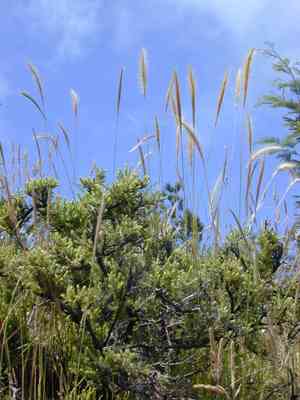
Longhair plume grass offers continuous aesthetic appeal due to its distinctive feathery blooms.
2
Longhair plume grass is perfect for environmentally conscious gardens, fostering diverse life and ecological balance.
3
Consistent upkeep guarantees that Longhair plume grass stays vibrant and attractive across all seasons.
Introducing Longhair Plume Grass to Your Landscape
Appreciating the distinct aesthetic charm of Longhair plume grass
Longhair plume grass offers unparalleled visual appeal in landscaping. Its delicate, feathery blooms lend a soft, whimsical touch to any garden. The airy quality of its flowers creates subtle movement, captivating the eye and adding a dynamic element to your outdoor space. Whether glistening with morning dew or gently swaying in the afternoon breeze, Longhair plume grass imparts a sense of calm and elegance to your landscape.
The contribution of Longhair plume grass to sustainable garden designs
Longhair plume grass plays a vital role in eco-conscious garden designs. As an indigenous species, it supports local wildlife, including pollinators and beneficial insects. By integrating Longhair plume grass into your garden, you foster biodiversity and contribute to the health of your local ecosystem. Furthermore, its drought-tolerant nature makes it a sustainable option, reducing the need for frequent watering and lowering your garden's overall water usage.
Optimal Placement for Longhair Plume Grass Aesthetics
Best spots in your garden for Longhair plume grass
Selecting the ideal location for Longhair plume grass in your yard is crucial for maximizing its visual appeal. This plant thrives in well-draining soil and full sun, though it can endure partial shade. Excellent placements include garden borders, rock gardens, and open areas where its plumes can stand out against contrasting backgrounds. Planting Longhair plume grass along paths or garden edges can also form a natural boundary, guiding the gaze and enhancing the overall design of your landscape.
Pairing Longhair plume grass with other plant varieties
Longhair plume grass serves as an excellent companion plant, harmoniously blending with various other species. Its airy, plume-like flowers offer a beautiful contrast to the bold blooms of perennials or the structured foliage of evergreens. Consider combining Longhair plume grass with vibrant flowering plants like lavender or coreopsis to create a lively and diverse garden display. This plant also complements ornamental grasses, adding texture and movement to your garden design.
Seasonal Considerations for Longhair Plume Grass
Prime times of year to plant Longhair plume grass
The most favorable times to plant Longhair plume grass are during spring and fall when the weather is mild and the soil is manageable. Spring planting allows Longhair plume grass to develop robust roots before summer's heat, while fall planting gives it a head start for the subsequent growing season. Ensure you plant Longhair plume grass when the ground is neither frozen nor excessively wet to provide the best beginning for this resilient plant.
How Longhair plume grass transforms throughout the year
Longhair plume grass undergoes beautiful changes throughout the year, offering continuous interest in your garden. In spring, new growth emerges, followed by the appearance of its soft plumes from late spring to early summer. These blooms can last into the fall, gradually fading to a straw-like hue, adding rustic charm to your autumn landscape. Even in winter, Longhair plume grass's silhouette remains appealing, standing up well against frost and providing structure when many other plants have receded.
Longhair Plume Grass Maintenance Tips for Landscapes
Basic care for enduring health and visual appeal
Maintaining Longhair plume grass is relatively simple, making it a low-effort yet high-reward addition to your garden. Consistent watering during its initial growing season aids root establishment, after which Longhair plume grass becomes quite drought-tolerant. Pruning is minimal; simply remove dead or damaged foliage to keep the plant looking neat. In late winter or early spring, cutting back the plant to about one-third of its height promotes healthy new growth and vibrant plumes for the upcoming season.
Common issues and straightforward solutions for Longhair plume grass
While Longhair plume grass is generally robust, it can occasionally encounter problems such as overwatering or pest infestations. Ensuring well-drained soil prevents root rot, a frequent issue in overly wet conditions. Pests are typically not a major concern, but if observed, natural remedies like neem oil or beneficial insects can help manage them. Monitoring your Longhair plume grass and addressing issues promptly will ensure its health and continued enhancement of your garden for years to come.
Creative Landscaping Concepts with Longhair Plume Grass
Innovative applications of Longhair plume grass in garden design
Inventive gardeners can utilize Longhair plume grass in various creative ways to enhance their landscape. Plant it in large groups to create a stunning ground cover that sways with the breeze, or use it as a focal point in a themed garden, such as a prairie-style or dry garden design. Longhair plume grass's unique texture and form make it an outstanding choice for artistic garden compositions, whether planted in straight lines for a formal look or in clusters for a more natural, meadow-like appearance.
Integrating Longhair plume grass with hardscape elements
Longhair plume grass pairs beautifully with hardscape elements, providing a soft contrast to stone, wood, and metal features in your garden. Use it to soften the edges of a stone pathway, intersperse it among rocks in a xeriscape, or position it strategically around garden sculptures and fountains for a touch of elegance. The juxtaposition of Longhair plume grass's gentle plumes against hard, structural elements creates a balanced and visually pleasing garden design.



