How to Transplant Carthusian pink?
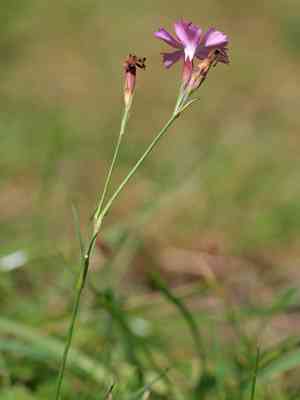
The most favorable period for transplanting carthusian pink is as the subtle indications of early spring transition into the robust embrace of late spring temperatures. Select a location bathed in sunlight with soil that drains effectively, and if necessary, subtly enhance the soil composition for superior outcomes.
What Preparations are Needed Before Transplanting Carthusian Pink?
What is the Ideal Time for Transplanting Carthusian Pink?
Relocate carthusian pink from the onset of spring warmth to the edge of summer's arrival. During this period, the ground softens and becomes workable, perfect for new root establishment. Moving carthusian pink within this timeframe ensures roots settle before summer fully begins, leading to vigorous development. A favorable climate for carthusian pink eases the transition, allowing your carthusian pink to thrive in their new spot with minimal stress.
How Much Space Should You Leave Between Carthusian Pink Plants?
When arranging your carthusian pink, aim for approximately 6-12 inches (15-30 cm) apart. This provides each plant ample room to grow and flourish without excessive crowding, which can lead to competition for nutrients and light.
What is the Best Soil Mix for Carthusian Pink Transplanting?
For your carthusian pink, a well-draining soil rich in organic material will be like a comfortable bed. Incorporate some compost or a slow-release all-purpose fertilizer into the top layer of the soil to give them an excellent start.
Where Should You Relocate Your Carthusian Pink?
Your carthusian pink enjoys the sun as much as a day at the beach! Select a location where they will receive full sunlight for at least 6 hours daily. This sunny spot will help them grow strong and bloom beautifully.
What Equipments Should You Prepare Before Transplantation Carthusian Pink?
Gardening Gloves
To safeguard your hands while handling soil and plants.
Hand Trowel
For digging and moving soil during the planting process.
Watering Can
To gently hydrate the carthusian pink after relocation.
Digging Shovel or Spade
For efficiently excavating the root ball from the ground.
Pruning Shears
For trimming any dead or excessive growth prior to transplant.
Garden Hose with Soft Spray Attachment
For watering the plant before removal and for newly transplanted carthusian pink.
Wheelbarrow
To assist in moving the excavated carthusian pink and any heavy soil or compost if necessary.
Mulch
To insulate the plant's roots and retain soil moisture post-transplanting.
Garden Fork
To loosen soil around the plant's original position.
Stakes or Plant Supports
If carthusian pink have tall or weak stems that require support after transplanting.
How Do You Remove Carthusian Pink from the Soil?
How Do You Remove Carthusian Pink from the Soil?
From Ground: First, thoroughly water the carthusian pink to make the soil easier to manage. Use a garden fork to loosen the soil surrounding the plant. Create a circle with a digging shovel or spade, several inches away from the plant to prevent root damage. Carefully work the shovel beneath the root ball and lift the carthusian pink with as much soil attached as possible.From Pot: Water the carthusian pink until excess drains from the bottom to ensure root hydration. Turn the pot on its side and gently tap to loosen. Grasp the carthusian pink at its base and carefully ease it out of the pot while supporting the soil and root ball with your other hand.From Seedling Tray: Moisten the carthusian pink seedlings before transplanting. Use a hand trowel or similar tool to gently lift the seedling from its cell, being careful to handle it by the leaves, not the stem, to avoid damage.
Step-by-Step Guide for Transplanting Carthusian Pink
Prepare The New Site
Excavate a hole in your garden bed that is twice the width of the root ball and of the same depth.
Test Fit
Position the carthusian pink in the hole to confirm it sits at the identical level it occupied in its prior setting. Adjust the hole's depth if needed.
Place The Plant
Once the hole is the correct depth, gently place the carthusian pink into the hole. Orient it so the plant stands upright.
Fill The Hole
Carefully backfill around the carthusian pink with soil, gently firming it down without excessive compaction.
Water Thoroughly
After planting, generously water the carthusian pink to settle the soil and eliminate air pockets.
Add Mulch
Apply mulch around the base of carthusian pink, keeping it clear of the stems, to help maintain soil moisture and regulate temperature.
Support if Necessary
If required, insert stakes or plant supports into the ground to help carthusian pink maintain an upright posture.
How Do You Care For Carthusian Pink After Transplanting?
Initial Watering
Water the carthusian pink deeply and slowly to encourage outward root growth. Be cautious not to overwater; the soil should be moist but not saturated.
Regular Checkups
Monitor the carthusian pink for indications of stress, such as wilting or discolored foliage, and adjust care accordingly. This helps to identify any issues early.
Adjust Supports
If you provided stakes, inspect and adjust them as the carthusian pink grows to ensure they do not impede the plant's development or cause harm.
First Month Care
For the initial month, keep an eye on soil moisture and ensure the mulch remains in place to deter weeds and conserve water without suffocating the plant.
Troubleshooting Common Issues with Carthusian Pink Transplantation.
What's the best time to transplant carthusian pink?
Transplant carthusian pink during the pleasantness of spring, from early to late flowering season, typically early March through May.
How far apart should I space carthusian pink when transplanting?
Allow carthusian pink ample room to thrive by spacing them 6 to 12 inches (15-30 cm) apart.
Why is my carthusian pink wilting after transplanting?
Post-transplant wilting can indicate shock. Ensure careful handling, sufficient watering, and initial protection from intense sunlight.
What type of soil is best for transplanting carthusian pink?
Favor carthusian pink with well-draining soil, rich in organic matter, for a successful transplant.
How deep should the hole be for transplanting carthusian pink?
Dig a snug depression just deep enough to position carthusian pink's root ball level with the soil surface.
What if carthusian pinkâs roots are overcrowded in the pot?
Gently separate carthusian pink's roots if they are tangled, allowing them freedom to spread into the new soil space.
Should I water carthusian pink immediately after transplanting?
Yes, give carthusian pink a generous drink of water to help it settle and reduce transplant shock.
Is sunlight exposure important for carthusian pink after transplanting?
While carthusian pink loves sunshine, provide filtered light initially, then gradually increase to full sun exposure.
What should I do if carthusian pink's leaves turn yellow after transplanting?
Yellow leaves might signal stress; check for appropriate watering, light, and nutrient levels.
Can I apply fertilizer right after transplanting carthusian pink?
It's advisable to wait until carthusian pink is established and showing growth before fertilizing to encourage root development.



