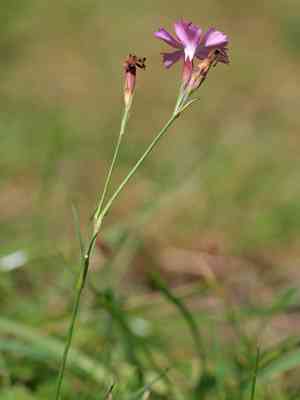
Carthusian pink(Dianthus carthusianorum)

Carthusian pink (Dianthus carthusianorum)

Also known as: Cluster-head pink

Carthusian pink (Dianthus carthusianorum) is widespread throughout Europe and thrives in various regions, including alpine and mountainous areas up to 2500 meters in elevation. It prefers fully sunny spots and flourishes in well-drained soils, whether sandy or loamy. The plant showcases its vibrant flowers from summer through fall.

Attributes of Carthusian pink

Lifespan
Perennial
Plant Type
Herb
Plant Height
40 cm
Spread
20 cm
Leaf Color
Green
Flower Size
2-3 cm
Flower Color
Pink Red Purple

ForwardPlant - Identify plants with a snap

Identify and diagnose plants, get toxicity alerts, and explore safety guides for all types of fungi.

Try for Free

Images of Carthusian pink

Carthusian pink(Dianthus carthusianorum)

Quickly Identify Carthusian pink

1
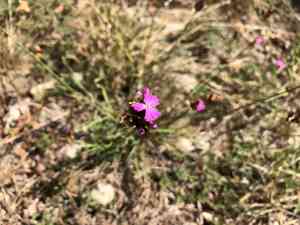
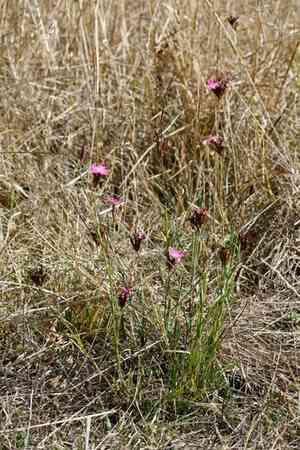
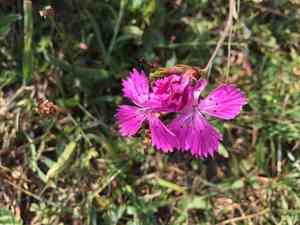
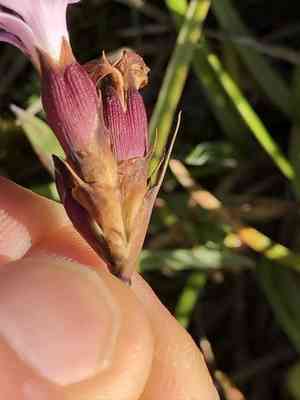
Dianthus carthusianorum can be identified by its clustered, deep pink to magenta flowers with fringed petals, and narrow, linear leaves. The stems are erect and can reach up to 60 cm in height. The flowers bloom from June to September.

Scientific Classification of Carthusian pink

Phylum
Vascular plants
Class
Dicotyledons
Order
Caryophyllales
Family
Pink
Genus
Dianthus
Species
Carthusian pink

Planting and Growing of Carthusian pink

Care Difficulty
Easy
Watering Schedule
Every 3 days
Sunlight Requirements
Full sun
Sunshine Duration
6-12 hours
Ideal Temperature
65-75℉
Soil Type
Potting Mix, Peat Mix
Soil pH
6.5-7.5
Fertilizer Type
Balanced
Pruning Season
Spring, Summer
Pruning Area
Branches, Leaves
Pruning Frequency
2 times a year
Repotting Season
Spring
Pot Type
Plastic, Ceramic

water icon How to Water Carthusian pink?

For Dianthus carthusianorum, also known as Carthusian Pink, watering should be moderate. The soil should be thoroughly moist but not soggy. Ensure that water penetrates the root zone, usually around 250 ml per session, depending on the plant size and soil type.
What are the symptoms of an underwatered Carthusian pink?
What should I do if my Carthusian pink is not getting enough water?
What are the symptoms of an overwatered Carthusian pink?
How to save an overwatered Carthusian pink?

sunlight icon What Are the Sunlight Requirements for Carthusian pink?

Sunlight Requirements: Full sun, Partial sun
Duration of light: 6 to 8 hours daily
Dianthus carthusianorum benefits from full sun exposure; full sun ensures vigorous blooming and robust growth. The ideal light conditions lead to high-energy photosynthesis and maximum flower production.
Optimal sun exposure
Solution for obtaining ideal sunlight
Benefits of ideal sunlight
More About Sunlight Requirements Techniques

temperature icon What Is the Ideal Temperature Range for Carthusian pink?

Ideal Temperature: 65 ~ 75℉
For optimal growth, Dianthus carthusianorum thrives best in temperatures between 65°F and 75°F. Maintaining this range encourages healthy photosynthesis and overall plant vitality, ensuring vibrant blooms and robust foliage.

soil icon What Soil is Best for Carthusian pink?

Soil type: Sandy soil, Loam, Calcareous soil
Soil PH: 6.5 ~ 7.5
Dianthus carthusianorum thrives in well-drained soil, preventing its roots from sitting in water, which can lead to rot. A well-drained environment ensures proper aeration and nutrient uptake, crucial for the plant's growth. The plant requires soil with moderate nutrient levels, which avoids excessive foliage growth that might detract from flower production. Balanced nutrient content supports healthy flowering, crucial for attracting pollinators. Dianthus carthusianorum prefers slightly alkaline conditions, which facilitates optimal nutrient availability, especially calcium, that is vital for robust blooming and overall plant vigor.

fertilize icon How to Fertilize Carthusian pink?

Fertilizer type: Balanced
For Dianthus carthusianorum, a balance in nutrient supply is crucial. Too much fertilizer can damage these delicate plants, while too little won't support their growth. An appropriate dose of liquid fertilizer is about half the recommended strength on the label per application. The recommended amount for slow-release fertilizers is to follow product instructions, typically a small handful scattered around the base of each plant, avoiding direct contact with stems.

prune icon How to Prune Carthusian pink?

Pruning Time: Spring, Summer, Autumn
Start by sterilizing your pruning shears to prevent disease transmission. Identify faded flowers and dead stems. Trim these parts at their base, close to the nearest leaf node. Make clean cuts to avoid damaging the plant's vascular system. For shaping, trim any overgrown stems to maintain a compact and aesthetically pleasing bush. Refresh the plant by also removing any yellowing or diseased leaves, ensuring new, healthy growth emerges. More About Pruning Techniques

propagate icon How to Propagate Carthusian pink plant?

Propagate Time: Spring, Early summer
1
Start by filling seed trays with a light, well-draining potting mix. Sow the seeds on the surface and lightly cover them with soil, as they require light for germination.
2
Select healthy plant stems and use clean pruning shears to take 3-4 inch cuttings. Remove the lower leaves and dip the cut end in rooting hormone.
3
Divide plants carefully in early spring or early summer. Use a sharp knife or spade to separate clumps, ensuring each division has roots attached.
More About Propagating Techniques

repot icon How to Repot Carthusian pink plant?

Repotting frequency: Every 2-3 years
1
Dianthus carthusianorum typically requires repotting when you notice roots emerging from the drainage holes or when growth appears stunted. A good indicator is when the plant seems to outgrow its current pot and requires more space to thrive.
2
Select a pot that is about 1-2 inches larger in diameter than the current one. Ensure it has proper drainage holes at the bottom; this prevents root rot and allows for airflow. A slightly wider pot also gives the roots room to expand, which supports healthy growth.
3
Opt for a well-draining sandy loam soil mix, rich in organic matter. This soil structure allows water to flow through readily, preventing waterlogging, while retaining enough moisture and nutrients the plant needs for growth.

ForwardPlant - Identify plants with a snap

Find the best spots for them to optimize their health, simply using your phone.

Try for Free

Toxicity of Carthusian pink

Is Carthusian pink toxic to humans?

Carthusian pink exhibits a mild toxicity level in humans, primarily through ingestion. The entire plant harbors saponins, the toxic compounds responsible for its poisonous characteristics. When ingested, carthusian pink can lead to various symptoms due to the ability of saponins to disrupt normal cellular functioning. Individuals consuming any parts of carthusian pink may suffer from gastrointestinal distress, including nausea, vomiting, and diarrhea. Although the symptoms are generally not severe, they can be quite discomforting. Since all parts of carthusian pink are toxic, it is crucial to exercise caution to avoid accidental ingestion, especially in settings where children or pets might come into contact with the plant.

Is Carthusian pink toxic to cat?

Carthusian pink exhibits a mild level of toxicity for cats. If felines accidentally consume any component of this plant, they can become poisoned, as the entire structure harbors toxic compounds. The saponins found in carthusian pink may result in negative reactions in cats. Such exposure generally causes gastrointestinal disturbances, which can present as vomiting, diarrhea, or other signs of unease. Cat owners should vigilantly observe their pets and promptly seek veterinary assistance if poisoning is suspected to safeguard the health and welfare of their feline friends.

Is Carthusian pink toxic to dog?

The plant species known as carthusian pink is regarded as mildly toxic to dogs. If dogs consume any part of this plant, they face the risk of poisoning, as the entire organism is toxic. In cases of accidental ingestion, dogs may display signs such as gastrointestinal distress, which may include vomiting and diarrhea. The adverse effects are primarily due to the presence of saponins in carthusian pink. If a dog has ingested carthusian pink, it is essential to obtain immediate veterinary assistance to secure proper treatment and management of any resulting symptoms.

Identify toxic plants for your safety

Learn which plants are harmful to you and your pets, and make informed choices for a safer home!

Try for Free
WARNING
The judgment on toxicity and danger is for reference only. We DO NOT GUARANTEE any accuracy of such judgment. Therefore, you SHALL NOT rely on such judgment. It is IMPORTANT TO SEEK PROFESSIONAL ADVICE in advance when necessary.
More About Toxic Techniques