How Much Sunlight Do Carthusian pink Need?
1
Carthusian pink flourishes optimally with ample sunlight, requiring a minimum of 6 hours of direct sun daily.
2
While it favors full sun, Carthusian pink can endure some partial shade, particularly in warmer regions.
3
Observe for indications of sun damage or inadequate illumination to modify your plant's surroundings accordingly.
Ideal Light Conditions for Carthusian pink
Full Sun Requirements
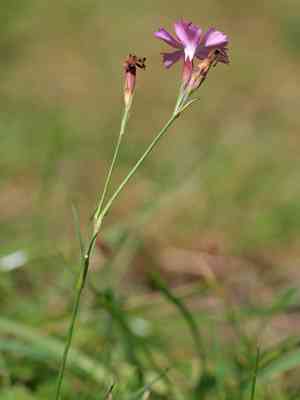
Regarding light, Carthusian pink is a sun-loving species. This vibrant flora flourishes in full sun, absorbing at least 6 hours of direct sunlight daily. Such exposure fosters robust development and abundant flowering, yielding those lovely pink blossoms that can brighten any garden.
Partial Shade Tolerance
While Carthusian pink performs best in full sun, it possesses some adaptability. In regions with intense, scorching summers, the plant can benefit from partial shade. This implies it can endure some indirect light during the day's hottest period. However, excessive shade can hinder flower production and overall plant vitality.
Optimal Planting Locations for Carthusian pink
Outdoor Garden Settings
For outdoor environments, Carthusian pink should be situated in well-draining soil with ample sun exposure. Ideal spots include garden beds, borders, and rock gardens. Ensure the location receives full sun to promote healthy growth and prolific blooms. If planting multiple Carthusian pink, space them approximately 30 centimeters (12 inches) apart for sufficient air circulation.
Indoor Cultivation Advice
Cultivating Carthusian pink indoors presents more of a challenge but is achievable. Position the plant near a south-facing window to maximize light exposure. In low-light situations, you might consider employing grow lights to supply the necessary light duration. Regularly rotate the plant to ensure uniform light distribution and prevent it from leaning towards the light source.
Seasonal Light Considerations for Carthusian pink
Spring and Summer Exposure
During spring and summer, Carthusian pink should be bathed in full sunlight. These periods are vital for its growth and blooming cycle. Consistent exposure during these months will result in more vivid flowers. Ensure the plant receives uninterrupted sunlight throughout these seasons for optimal outcomes.
Fall and Winter Adjustments
As days shorten and sunlight wanes in fall and winter, Carthusian pink might require a bit more attention. If you reside in an area with mild winters, the plant can still thrive outdoors with some frost protection. In colder climates, consider moving potted plants indoors or to a greenhouse. Assess lighting conditions and potentially supplement with grow lights to mimic summer's long days.
Indicators of Light Imbalance in Carthusian pink
Symptoms of Excessive Sun Exposure
Overexposure to sunlight can cause several problems for Carthusian pink. If leaves begin to scorch or exhibit signs of sunburn, such as brown or crispy edges, your plant is receiving too much light. Additionally, excessive direct sunlight during peak midday hours can lead to wilting and stress.
Indicators of Insufficient Sunlight
Conversely, inadequate sunlight can also be detrimental. If Carthusian pink gets too little light, it may result in leggy growth as the plant stretches toward the light source. You might also observe reduced flowering, with fewer and smaller blooms, and slower overall development. If these signs appear, it's time to re-evaluate your Carthusian pink's lighting conditions.
Modifying Sunlight Exposure for Carthusian pink
Utilizing Shade Cloth or Netting
In areas with intense sunlight, employing shade cloth or netting can help manage exposure for Carthusian pink. These materials provide partial shade, allowing the plant to receive adequate light while shielding it from the harshest rays during peak hours. This can be especially beneficial during hot summer months.
Relocating Your Plant
Sometimes, the most effective solution is to move your plant. If Carthusian pink is getting too much or too little sunlight in its current spot, consider relocating it. For potted plants, this is relatively simple. Transfer the pot to a location with more suitable light conditions. For garden plants, you might need to transplant them to a different part of the garden where they can receive proper sun exposure.



