How to Propagate Carthusian pink?
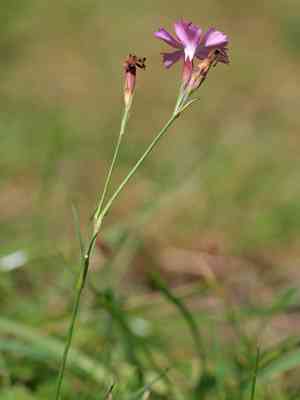
Carthusian pink flourishes when reproduced via cuttings, a technique specifically designed to guarantee successful development and retention of its traits. Cultivators ought to choose robust, non-blooming stems for cuttings, preferably from early to mid-summer for prime root formation. Preparing the cuttings entails making a precise incision directly beneath a leaf joint, detaching the lower foliage, and potentially applying a rooting stimulant to foster root growth. Placing these cuttings in a free-draining substrate and sustaining a humid atmosphere facilitates the most favorable results.
Optimal Time for Carthusian Pink Propagation
Propagation Method
Cutting
Propagation Period
Spring,Summer
Tools for Carthusian Pink Propagation
Sharp pruning shears
Crucial for obtaining clean, precise cuttings from carthusian pink, sharp pruning shears minimize damage to the plant's delicate stems. A clean cut reduces infection risk and promotes faster healing and root growth.
Rooting hormone powder or gel
This product aids in the root development of carthusian pink cuttings. Dipping the cut end into rooting hormone stimulates quicker and more efficient root production, boosting propagation success rates.
Sterile potting mix
A soil-free, sterile potting mix offers a safe growing medium for carthusian pink cuttings, reducing the threat of soil-borne diseases. This fosters healthier root growth and lessens the chance of infections hindering the cutting's development.
Plastic pots or trays
Used to hold cuttings as they develop roots, plastic pots or trays must have adequate drainage to allow excess water to escape, preventing issues like root rot, which is vital for carthusian pink's initial growth.
Plastic wrap or a humidity dome
Maintaining high humidity around carthusian pink cuttings is essential to prevent them from drying out before rooting. A humidity dome or plastic wrap over pots creates a mini-greenhouse, mimicking ideal moisture conditions for growth.
Carthusian Pink Propagation Guide
Propagation Type
Easy
Caring for Your Newly Propagated Carthusian Pink
Caring for Your Newly Propagated Carthusian Pink
Once carthusian pink has rooted, gradually expose it to more light and less humidity for hardening. After 4 to 6 weeks, transplant it into a larger pot or directly into the garden if outdoor conditions permit. Carthusian pink thrives in well-draining soil and full to partial sun, needing regular watering during dry spells but becoming drought-tolerant once established. Deadhead spent blooms to encourage more flowers, and apply a balanced fertilizer at the start of the growing season.
Common Errors to Avoid When Propagating Carthusian Pink
Overwatering
Excessive watering can cause root rot in carthusian pink, as it prefers well-drained soil. Too much moisture around the roots creates an environment favorable for fungal diseases, ultimately harming the plant's health and hindering successful establishment.
Using non-sterile tools
Failing to use sterile tools during carthusian pink propagation increases the risk of transmitting pathogens, leading to infections that can impede growth and prevent successful propagation.
Neglecting site selection
Placing carthusian pink in an unsuitable spot, such as deep shade or a windy area, can significantly affect the plant's ability to flourish. Poor site selection can result in weak growth and lower propagation success.
Advice for Propagating Carthusian Pink
Optimal soil preparation
Prepare well-draining soil enriched with organic matter to encourage healthy root development for carthusian pink. This ensures the plant receives necessary nutrients and moisture without the risk of waterlogging.
Appropriate water management
Water carthusian pink just enough to keep the soil moist but not saturated. Implementing a controlled watering schedule helps establish a strong root system without over-saturating the soil.
Use of rooting hormone
Applying a rooting hormone to carthusian pink cuttings can significantly boost root development. This promotes quicker establishment and healthier growth during the initial propagation stages.



