How to Prune Carthusian pink?
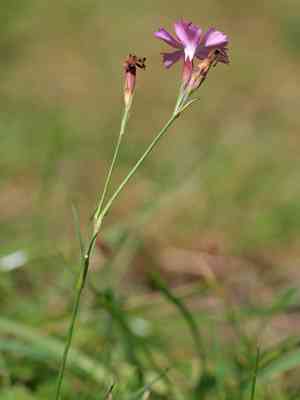
A member of the carnation family, Dianthus carthusianorum is recognized for its delicate stalks and vibrant pink flowers. Regularly remove spent or withered blooms to encourage ongoing flowering. Reduce the foliage by approximately one-third following the flowering phase to stimulate renewed development. Optimal maintenance pruning occurs in early spring, with more extensive trimming conducted after the blooming cycle. Pruning fosters a denser form and can enhance the quantity of blossoms. There are no particular seasonal limitations, permitting year-round upkeep as required.
Advantages of Trimming Carthusian Pink
Advantages of Trimming Carthusian Pink
Trimming carthusian pink promotes abundant flowering and a strong growth habit. It helps maintain an appealing form, ensuring the plant stays compact and well-structured.
Optimal Time for Trimming Carthusian Pink
Optimal Time for Trimming Carthusian Pink
Trimming carthusian pink in late winter to early spring is advisable as this period allows for the removal of dead or damaged stems before new growth emerges. This timeframe, after the harshest winter weather but prior to the spring growth surge, is ideal because the plant remains dormant. Pruning then revitalizes carthusian pink for the upcoming growing season and can boost blooming since carthusian pink flowers on new wood. Furthermore, disease agents are less active at this time, reducing infection risk at pruning sites. Gardeners may also perform light trimming after the initial summer bloom to encourage a second flush and maintain plant shape.
Tools Required for Trimming Carthusian Pink
Bypass Pruners
These are suitable for making clean, precise cuts on carthusian pink stems, vital for plant health and encouraging blooms.
Pruning Shears
Carthusian pink needs deadheading to encourage more flowers, and pruning shears are perfect for snipping off spent blooms without harming the plant.
Scissors
For thinning or shaping the delicate foliage of carthusian pink, sharp scissors can access tight spots without damaging other parts of the plant.
Gardening Gloves
Wearing gloves while trimming carthusian pink protects the gardener's hands from thorns and irritating plant sap.
How to Trim Carthusian Pink
Sanitize tools
Before beginning, ensure all trimming tools are clean and sharp to prevent disease transmission and achieve clean cuts.
Remove diseased parts
Carefully snip away diseased leaves and branches from carthusian pink, cutting back to healthy tissue to stop disease spread.
Cut dead material
Remove any dead or withered leaves and branches by cutting at the base or back to a main stem to keep a neat appearance and promote healthy growth.
Deadhead flowers
Deadhead faded flowers just below the flower head to encourage more blooming and prevent carthusian pink from self-seeding, if not desired.
Shape plant
Finally, gently shape the carthusian pink by evenly trimming overgrown areas to maintain the plant's form and encourage denser foliage.
Common Trimming Errors with Carthusian Pink
Excessive pruning
Removing too much foliage from carthusian pink can weaken the plant, potentially reducing its vigor and flower production. It's crucial to trim no more than one-third of the total growth.
Incorrect cut placements
Cutting either too close to the bud or too far away can hinder the growth of new shoots on carthusian pink. Ideal cuts should be just above a leaf node or a developing bud.
Using dull implements
Trimming carthusian pink with dull tools can damage stems, making the plant more vulnerable to disease and pests. Always use sharp, clean pruners.
Neglecting dead or diseased stems
Failing to remove dead, dying, or diseased stems during trimming can lead to further infection, affecting the overall health of carthusian pink.
Trimming without a strategy
Starting to trim carthusian pink without evaluating its shape and growth pattern can result in an unbalanced or misshapen plant. It's important to envision the desired outcome before making cuts.
General Trimming Advice for Carthusian Pink
Disinfect tools
Before and after trimming carthusian pink, disinfect the pruning tools to prevent disease spread. Alcohol or a bleach solution can be used for this purpose.
Angled cut
Make cuts at a 45-degree angle above a leaf node or bud to encourage proper water runoff and new growth on carthusian pink.
Thin out crowded areas
Thin out congested areas to improve air circulation and light penetration, which is vital for the health and blooming of carthusian pink.
Promote bushy growth
Pinch back the growing tips during early development to encourage a bushier plant. This promotes the growth of lateral branches in carthusian pink.
Cut to healthy wood
When you encounter dead or diseased stems, cut back to healthy tissue to foster a quick recovery and prevent issues from spreading in carthusian pink.



