How to Transplant Swamp loosestrife?
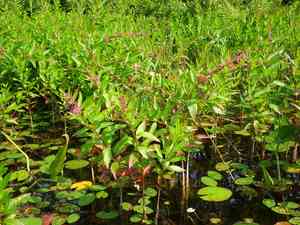
For an optimal beginning for swamp loosestrife, transplant it during the peak of the growing periodâfrom the bloom of late spring to the height of midsummer. Select a bright, damp location and ensure the ground remains adequately watered for a smooth establishment.
Essential Preparations Before Relocating Swamp Loosestrife
Optimal Period for Relocating Swamp Loosestrife
The best time to move swamp loosestrife extends from the initial signs of spring growth through the height of summer. This interval, marked by increasing warmth, promotes root development and vigor. Moving swamp loosestrife at this point highlights its natural resilience, allowing for seamless integration with the growth cycle, while soft ground and ample light serve as crucial aids for robust health.
Recommended Spacing Between Swamp Loosestrife Plants
When planning to rehouse your swamp loosestrife, ensure adequate spacing to facilitate their growth. Aim for a separation of 18-36 inches (45-91 cm) between individual plants.
Optimal Soil Blend for Swamp Loosestrife Relocation
For your swamp loosestrife, you'll want to prepare a location with fertile, well-draining soil. Prior to transplanting, enrich the earth with a balanced, slow-release plant food to give your plants an excellent start!
Ideal New Location for Your Swamp Loosestrife
As you consider the perfect spot for your swamp loosestrife, seek an area that receives full sun to partial shade. A site with abundant morning sunlight and some afternoon protection is most suitable.
Tools Required Before Transplanting Swamp Loosestrife
Shovel or Spade
For excavating the swamp loosestrife plant and preparing the new planting site.
Gardening Gloves
To safeguard your hands while working with the soil and plant material.
Wheelbarrow
To move the swamp loosestrife plant from its original spot to the new location.
Pruning Shears
To trim any damaged roots or stems prior to transplanting.
Watering Can or Hose
To hydrate the swamp loosestrife before and after its relocation.
Mulch
To apply around the base of the swamp loosestrife after transplanting to help retain moisture.
Garden Fork
To aerate the soil, if extracting the swamp loosestrife from the ground.
Method for Extracting Swamp Loosestrife from the Soil
Method for Extracting Swamp Loosestrife from the Soil
From Ground: Start by thoroughly watering the swamp loosestrife to soften the earth. Carefully dig a circle around the plant using your shovel or spade, ensuring a wide perimeter to avoid cutting into the root ball. Gently leverage the shovel beneath the root ball, lifting the swamp loosestrife from its position.From Pot: Water the swamp loosestrife well before beginning. Invert the pot onto its side and gently tap it to dislodge the plant. Carefully slide the root ball out of the pot, making sure to support the plant by its base rather than pulling on the stems.From Seedling Tray: Moisten the soil in the tray to facilitate removal. Use a spoon or small gardening tool to carefully lift each swamp loosestrife seedling, ensuring you retrieve as much of the root system as possible.
Step-by-Step Instructions for Transplanting Swamp Loosestrife
Preparation
Gather all necessary tools and ensure the planting area is free of weeds and debris.
Excavating the Hole
Dig a hole that is twice the width of the swamp loosestrife's root ball and of equal depth. This provides ample space for root expansion.
Positioning the Plant
Gently lower the swamp loosestrife's root ball into the hole. The top of the root ball should be flush with the surrounding soil surface.
Backfilling the Hole
Carefully refill the hole with the excavated soil, lightly tamping it down to eliminate air pockets. Be careful not to bury the plant deeper than its original growing level.
Watering
Thoroughly water the swamp loosestrife after planting to settle the soil and hydrate the roots. Apply mulch around the base to aid in moisture retention.
Staking (if required)
If the swamp loosestrife is quite tall or in a windy location, provide support with a stake to prevent leaning or uprooting.
Post-Transplant Care for Swamp Loosestrife
Monitoring
Observe the swamp loosestrife for indications of stress, such as wilting or yellowing foliage, and address issues promptly.
Adjustments
Ensure the stake, if utilized, is secure but not overly tight, and adjust it as the swamp loosestrife matures.
Mulching
Replenish the mulch as needed to maintain consistent moisture and temperature levels, and to inhibit weed growth.
Pruning
Remove any dead or broken branches to encourage healthy development and improve air circulation around the swamp loosestrife.
Continued Watering
Maintain consistent soil moisture, especially during hot or dry periods, until the swamp loosestrife is established in its new location.
Addressing Common Issues During Swamp Loosestrife Transplantation
What is the optimal time to transplant swamp loosestrife?
Relocate swamp loosestrife during late spring or early to mid-summer for best root establishment.
What spacing should I use when transplanting swamp loosestrife?
Space swamp loosestrife 18-36 inches (45-91 cm) apart to ensure sufficient room for growth.
Why is my transplanted swamp loosestrife wilting?
Post-transplant wilting may indicate water deficiency or root damage; ensure consistent moisture and careful handling.
How do I prepare a site for transplanting swamp loosestrife?
Select a wetland-like area with full or partial sun, enrich with organic material, and ensure the soil is moist.
Is it possible to transplant swamp loosestrife in the fall?
While spring to summer is ideal, fall transplants require root establishment before freezing temperatures.
What depth should the hole be for transplanting swamp loosestrife?
The hole should match the root ball's depth and be twice its width to promote growth.
What watering schedule should I follow after transplanting swamp loosestrife?
Keep the soil consistently moist, particularly in the initial weeks after transplanting, to aid root establishment.
Should I fertilize swamp loosestrife after transplanting?
Avoid immediate fertilization; wait until swamp loosestrife shows new growth, indicating successful stabilization.
How can I prevent transplant shock in swamp loosestrife?
Gradually acclimate swamp loosestrife to outdoor conditions, handle roots gently, and maintain soil moisture post-transplant.
What are the indicators of a successful swamp loosestrife transplant?
Look for new leaf and stem growth, a stable plant that doesn't wilt, and expanding roots.



