How to Prune Swamp loosestrife?
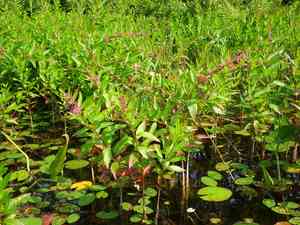
Swamp loosestrife, an aquatic perennial recognized for its curving stalks and rosy-purple blossoms, flourishes in marshy environments. Proper trimming entails excising any deceased or compromised stems to foster robust development and preserve an attractive form. The ideal period for pruning is post-bloom in late spring or summer, preventing interference with its developmental rhythm. Trimming can also stimulate more compact growth, enabling swamp loosestrife to suppress intrusive flora. Always employ sanitized, keen implements to avert illness.
What Are the Benefits of Pruning Swamp Loosestrife?
What Are the Benefits of Pruning Swamp Loosestrife?
Trimming swamp loosestrife promotes robust development and maintains its desired form. Eliminating old or overgrown branches enhances air circulation, lowering disease risk and fostering new, healthy shoots.
What Is the Best Time for Pruning Swamp Loosestrife?
What Is the Best Time for Pruning Swamp Loosestrife?
Pruning swamp loosestrife in spring coincides with the start of new growth after dormancy, allowing the plant to recover quickly and direct energy into fresh branches and foliage. Early summer pruning is beneficial as it occurs after flowering, reducing plant stress and encouraging healthy shoot development without sacrificing the current year's blooms.
What Tools Do I Need to Prune Swamp Loosestrife?
Hand Pruners
Perfect for precise cuts on small stems and branches of swamp loosestrife. They deliver clean cuts that help prevent plant damage.
Loppers
Featuring long handles, these are suitable for reaching into dense areas and cutting through thicker branches of swamp loosestrife that hand pruners cannot manage.
Pruning Saw
Ideal for cutting branches over an inch in diameter, which may be necessary when managing larger, more mature specimens of swamp loosestrife.
Gardening Shears
Useful for shaping the plant and precisely snipping off any unwanted twigs or leaves, ensuring swamp loosestrife keeps its desired appearance.
How to Prune Swamp Loosestrife
Sterilize
Before pruning swamp loosestrife, disinfect pruning tools with a solution of one part bleach to nine parts water to prevent disease spread.
Remove diseased leaves
Locate and carefully trim off all diseased and withered leaves from swamp loosestrife, using clean, sharp pruning snips to avoid harming healthy tissue.
Cut diseased stems
Identify diseased stems on swamp loosestrife and make clean cuts at a 45-degree angle just above a node or a healthy bud to encourage new growth.
Dispose
Immediately discard the removed diseased leaves and stems in a way that prevents them from contaminating compost or other plants.
Clean up
After pruning swamp loosestrife, clean the tools again using the same bleach solution and apply a light layer of oil to prevent rusting.
Common Pruning Mistakes with Swamp Loosestrife
Overpruning
Removing too much foliage from swamp loosestrife can stress the plant, leading to reduced vigor and sparse flowering. It's crucial to prune sparingly, ensuring not to remove more than a third of the plant's growth.
Improper cut placement
Cutting too far from a bud or node can leave a stub that risks disease entry and unattractive growth. It's important to make cuts just above nodes at a 45-degree angle.
Pruning blindly
Random or thoughtless cuts can result in an unbalanced and unattractive shape. Gardeners should always have a clear goal like removing dead stems or shaping the plant before starting to prune.
Tool misuse
Using dull or dirty tools can result in ragged cuts that are more prone to infection. It's crucial to use sharp, clean pruning shears specifically meant for the task.
Neglecting plant health
Pruning without assessing the health of swamp loosestrife may remove buds or healthy growth unnecessarily. It’s essential to evaluate which areas need pruning for optimal plant health.
Common Pruning Tips for Swamp Loosestrife
Goal oriented pruning
Before making any cuts, identify the purpose of pruning whether it is to shape swamp loosestrife, encourage flowering, or remove dead and diseased wood. This approach ensures each cut is made with intention.
Hygienic practice
Clean and sanitize tools before and after use to prevent the spread of disease. Make sure to clean the blades with alcohol or a bleach solution to ensure the plant's health is maintained.
Correct cut technique
Make angled cuts just above leaf nodes to encourage healthy new growth and prevent water accumulation that could lead to disease. Ensure cuts are clean and smooth.
Conservative approach
Practice conservative pruning by removing only what is necessary. Focus on thinning out crowded spaces to increase light penetration and air circulation, which are pivotal for swamp loosestrife's growth and flowering.
Observation and response
After pruning, observe swamp loosestrife's response. Adjust future pruning practices based on the plant's growth patterns, health, and flowering to continually optimize the pruning strategy for swamp loosestrife.



