How Much Sunlight Do Swamp loosestrife Need?
1
Swamp loosestrife flourishes with over six hours of direct sunlight each day.
2
While this plant can endure some shade, it achieves its best development in complete sun exposure.
3
The light requirements for Swamp loosestrife might fluctuate with the seasons.
Optimal Solar Conditions for Swamp Loosestrife
Native Environment and Light Needs
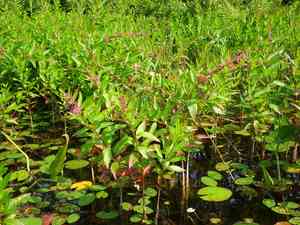
In its natural setting, Swamp loosestrife is accustomed to marshy areas where sunlight is plentiful. This plant flourishes in full sun to maintain its vigorous development and vibrant foliage. While it can endure partial sunlight, providing a full day's light will guarantee its prosperity.
Peak Light Intensity
For prime growth, Swamp loosestrife should receive over 6 hours of direct sunlight daily. This full sun requirement ensures the plant obtains sufficient light intensity to support photosynthesis and healthy maturation. If you're placing these plants in your garden, ensure they are in a spot exposed to maximum sunlight, unobstructed by taller plants or structures.
Seasonal Light Fluctuations
Sunlight availability can vary with the seasons. During summer, Swamp loosestrife will experience more extended exposure due to longer days. However, it's crucial to observe the plant during shorter winter days when sunlight is less intense and for fewer hours. Even in lower light seasons, ensuring at least 4 to 6 hours of sun exposure can still support the plantâs fundamental growth requirements.
How to Gauge Sun Exposure for Swamp Loosestrife
Evaluating Garden Light Levels
Before planting Swamp loosestrife, it's vital to assess the sunlight levels in your garden. Observe your garden at various times of the day to pinpoint areas that receive unobstructed sunlight for prolonged periods. This observation aids in selecting the best location where Swamp loosestrife can get the full sun exposure it requires.
Employing Light Meters
Light meters are useful tools to quantify the amount of sunlight an area receives. These devices measure light intensity in lux or foot-candles, offering a clear indication of whether a specific garden spot meets the full sun requirements for Swamp loosestrife. Aim for areas with light readings consistently above 10,000 lux (1000 foot-candles) during peak sunlight hours.
Positioning Swamp Loosestrife for Ideal Sunlight
Once you've evaluated the sunlight exposure and light intensity in various garden spots, position your Swamp loosestrife plants accordingly. They should be placed in areas protected from tall, shadow-casting obstacles but open to the direct path of the sun. This strategic placement ensures they receive uninterrupted light for at least 6 hours daily.
Common Sunlight-Related Problems for Swamp Loosestrife
Signs of Insufficient Sunlight
Swamp loosestrife exhibits clear indicators when it doesn't receive enough sunlight. These include elongated growth with slender stems, faded or pale leaves, and reduced blooming. If your plant displays these symptoms, it may be suffering from light deficiency.
Managing Excessive Sunlight
While Swamp loosestrife thrives in the sun, extreme, prolonged exposure, especially in hot regions, can lead to leaf burn and wilting. To prevent this, ensure the plant has access to water to counteract the intense sunlight, mimicking its natural wetland environment.
Adjusting Sunlight Exposure Throughout the Year
In regions with significant seasonal changes, modifying the plantâs position to match shifting sunlight conditions may be necessary. For instance, move container-grown Swamp loosestrife to sunnier spots during dark winter months or provide partial shade during intense summer heat.
Best Practices for Sunlight Management
Daily Sunlight Observation
Monitor your Swamp loosestrife daily to ensure it continues to receive adequate sunlight. This practice helps you detect any changes in light patterns caused by growing plants or new structures casting shadows.
Utilizing Protective Coverings
In excessively sunny conditions, use protective coverings like shade cloths during peak midday hours to shield Swamp loosestrife from potential harm. These coverings can reduce light intensity without drastically limiting the light exposure, maintaining the plant's health.
Adjusting Plant Placement
Periodically re-evaluate and adjust the placement of your plants as needed. For stationary plants not in movable pots, consider pruning nearby plants that may begin encroaching and casting shadows on your Swamp loosestrife. This adjustment ensures continued maximum sunlight exposure.



