How to Transplant Black flatsedge?
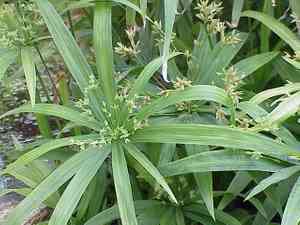
Optimal periods for relocating black flatsedge are during the mild temperatures of late spring through early summer, or the refreshing chill of mid-to-late autumn, to facilitate robust root development. Select a location offering ample sunlight to partial shade and damp, adequately draining earth. Undertake transplantation solely when absolutely necessary to prevent disruption to its fragile root structure.
What Preparations are Needed Before Transplanting Black Flatsedge?
What is the Ideal Time for Transplanting Black Flatsedge?
The best times to move black flatsedge are during the calm period of late spring into early summer, or from mid-autumn to its final quarter. Moving black flatsedge then takes advantage of mild temperatures, which help roots establish without extreme heat or cold stress.
How Much Space Should You Leave Between Black Flatsedge Plants?
Before planting black flatsedge in your garden, ensure each plant is spaced approximately 8-10 inches (20-25 cm) apart. This provides ample room for them to thrive and expand their foliage.
What is the Best Soil Mix for Black Flatsedge Transplanting?
To prepare an optimal bed for black flatsedge, use well-draining soil rich in organic matter. A suitable initial fertilizer to incorporate is a balanced 10-10-10 formula, applied as per package instructions. Your black flatsedge will appreciate this nourishing start!
Where Should You Relocate Your Black Flatsedge?
Select a sunny location for black flatsedge that receives at least 6 hours of direct sunlight daily. They flourish when exposed to the sun's rays! If your area has partial shade, black flatsedge will still grow, but at a reduced rate.
What Equipments Should You Prepare Before Transplantation Black Flatsedge?
Gardening Gloves
To safeguard your hands while handling soil and plants.
Spade or Shovel
To excavate the black flatsedge plant without harming its root system.
Watering Can or Hose
To hydrate the black flatsedge plant both before and after its relocation.
Wheelbarrow or Plant Caddy
To transport the black flatsedge plant from its original spot to the new planting site.
Pruning Shears
To trim any damaged roots or foliage during the transplanting procedure.
How Do You Remove Black Flatsedge from the Soil?
How Do You Remove Black Flatsedge from the Soil?
From Ground: Prior to extracting black flatsedge from the ground, water the plant to soften the soil. Use a spade to dig a circle around the plant, ensuring the cut is wide enough to encompass all roots. Carefully pry underneath and lift the root ball from the ground.From Pot: Water the black flatsedge in its container and allow the moisture to absorb. Turn the pot sideways, tap the bottom, and gently pull the plant from its base until it slides out, being careful not to tug on stems or leaves.From Seedling Tray: Water the seedling tray to ensure the soil is moist. Then, use your fingers or a small tool to carefully ease the black flatsedge seedling out of its compartment, supporting the root ball to prevent damage.
Step-by-Step Guide for Transplanting Black Flatsedge
Prepare the New Site
Dig a hole in the ground that is twice the width of the black flatsedge's root ball and of equal depth to allow roots to spread.
Inspect the Roots
Once black flatsedge is removed from its initial spot, examine the roots. Trim any broken or dead roots with pruning shears to promote healthy development.
Place the Plant
Position the black flatsedge into the prepared hole, ensuring it stands upright. The top of the root ball should be level with the surrounding soil surface.
Fill the Hole
Gently backfill the hole with soil, tamping down as you go to eliminate air pockets, but avoid overly compacting the soil around black flatsedge.
Water Thoroughly
After transplanting, generously water black flatsedge to settle the soil around its roots and help mitigate transplant shock.
Mulch
Apply a layer of mulch around the base of black flatsedge to retain moisture, suppress weeds, and regulate soil temperature.
How Do You Care For Black Flatsedge After Transplanting?
Staking
If black flatsedge is tall or top-heavy, stake it for support to prevent damage from wind or rain.
Monitoring
Regularly check the plant for signs of stress, such as wilting or discolored leaves, and address any issues promptly.
Adjusting Watering
Over the subsequent weeks, monitor the soil moisture around black flatsedge and adjust irrigation as needed to maintain adequate hydration.
Protecting
Be vigilant for pests or diseases during the initial weeks, as black flatsedge may be more vulnerable post-transplant. If problems arise, seek non-toxic or recommended treatments suitable for black flatsedge.
Troubleshooting Common Issues with Black Flatsedge Transplantation.
When is the best time to transplant black flatsedge?
The optimal period for relocating black flatsedge is during late spring to early summer or from mid-autumn to late fall.
How much space does black flatsedge require when transplanting?
When relocating black flatsedge, ensure you provide ample room, approximately 8-10 inches (20-25 cm) between each plant.
What soil conditions are best when transplanting black flatsedge?
For optimal growth when transplanting black flatsedge, choose well-drained, fertile soil with a neutral to slightly acidic pH.
Can black flatsedge be transplanted on a cloudy day?
Yes, a cloudy day is ideal for transplanting black flatsedge to minimize plant stress and prevent rapid moisture loss.
Why is my black flatsedge wilting after transplant?
Black flatsedge may be wilting due to transplant shock. Ensure the soil is adequately moist and provide shade for a few days.
How deep should the hole be for transplanting black flatsedge?
The hole should be as deep as the root ball and twice its width to encourage proper root expansion.
What should I do if black flatsedge shows yellowing leaves after transplant?
Yellowing leaves can indicate overwatering or poor drainage. Check soil moisture levels and adjust your watering routine accordingly.
How often should I water black flatsedge after transplanting?
Water black flatsedge thoroughly immediately after transplanting, then maintain consistent moisture, especially during dry periods.
Can I use mulch when transplanting black flatsedge?
Absolutely! Mulch helps retain soil moisture and regulate temperature, but keep it away from the plant's base to prevent rot.
How do I protect transplanted black flatsedge from pests and diseases?
Regularly inspect your black flatsedge, manually remove any pests, and use appropriate fungicides or insecticides if infestations occur.



