How to Propagate Black flatsedge?
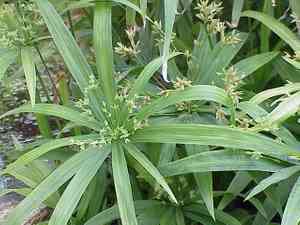
Black flatsedge, a perennial sedge, is well-suited for propagation via seeding. This technique enables cultivators to generate a large number of new plants that faithfully replicate the characteristics of the original specimen. After gathering viable seeds, they ought to be planted in a substrate that drains effectively to avert excessive moisture, a condition to which this species is especially susceptible. Sustaining uniform dampness throughout the germination phase is crucial. Subsequently, young plants can be meticulously relocated to their permanent cultivation site, guaranteeing sufficient illumination and hydration as they become established.
Optimal Time for Black Flatsedge Propagation
Propagation Method
Seeding
Propagation Period
Spring
Tools for Black Flatsedge Propagation
Seed trays
Seed trays provide a consistent environment for germinating black flatsedge seeds. Their design allows for uniform sowing depth and spacing, improving germination rates and ease of care.
Fine-textured soil mix
A fine-textured soil mix offers black flatsedge the ideal medium for root development during its initial growth phases. Uniform texture helps maintain proper moisture and nutrient levels, vital for successful black flatsedge germination.
Misting bottle
This tool enables gentle watering, ensuring black flatsedge seeds stay damp without being displaced or buried too deeply by the force of heavier watering methods. It's particularly useful during germination when roots are vulnerable.
Grow lights
Grow lights supply the necessary light spectrum for optimal black flatsedge growth in indoor settings or areas lacking sufficient natural sunlight, aiding in healthy foliage and root development after germination.
Heat mat
A heat mat can be placed under seed trays to maintain a steady and appropriate temperature for black flatsedge germination. Controlled heating promotes quicker germination and prevents temperature fluctuations that could hinder growth.
Labeling markers
Labeling markers are crucial for organizing and tracking growth progress and varieties, especially when propagating multiple species in addition to black flatsedge. This helps maintain an orderly propagation environment.
How to Propagate Black Flatsedge
Propagation Difficulty
Easy
Caring for Newly Propagated Black Flatsedge
Caring for Newly Propagated Black Flatsedge
Once black flatsedge seedlings have emerged, gradually introduce them to outdoor conditions if they are to be transplanted. Ensure consistent watering, especially during dry spells, as black flatsedge thrives in moist conditions. Avoid excessive watering to prevent rot. Position in an area receiving partial to full sunlight and regularly check for pests or diseases.
Common Errors to Avoid When Propagating Black Flatsedge
Overwatering
Supplying too much water can lead to root rot in black flatsedge, which prefers moist but not waterlogged conditions. Excessive watering can reduce oxygen availability to the roots, hindering their function and growth.
Deep planting
Planting black flatsedge too deeply can impede root establishment and shoot emergence. This error results in reduced growth vigor and may prevent propagation entirely.
Ignoring light requirements
Failing to provide adequate light for black flatsedge can result in weak, elongated growth and poor root development. Sufficient light is essential for photosynthesis and overall health, particularly during the rooting phase.
Tips for Propagating Black Flatsedge
Moderate watering
Ensure consistent moisture for black flatsedge during propagation but avoid waterlogging. Using a well-draining substrate will support this balance, crucial for healthy root development.
Use of healthy parent plants
Only propagate black flatsedge from vigorous and disease-free specimens. This enhances the likelihood of successful propagation and the health of new plants.
Providing sufficient light
Expose black flatsedge to ample but indirect sunlight to support vigorous growth. Direct sun may be too intense, but low light can lead to weak plants.



