Enhancing Your Garden Design with the Black flatsedge Plant: A Landscaping Guide
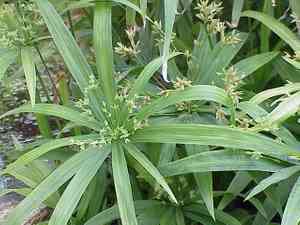
1
Black flatsedge serves as a superb choice for establishing organic boundaries within your garden space.
2
Due to its soil-binding characteristics, Black flatsedge is highly effective in combating soil degradation.
3
Black flatsedge plays a vital role in enhancing regional biodiversity and sustaining indigenous fauna.
Introducing Black flatsedge in Garden Design
Overview of Black flatsedge Features
Black flatsedge is a versatile plant recognized for its robust nature and striking look. It typically displays dark, flat foliage and flourishes in diverse soil types, making it a durable option for gardeners. Its growth habit can be either clustered or spreading, offering varied choices for landscape layouts.
Why Choose Black flatsedge for Your Outdoor Space?
Selecting Black flatsedge for your garden offers several advantages. Its adaptability to various conditions makes it a dependable choice, while its visual appeal adds a distinct texture to your landscape. Furthermore, its low-maintenance needs mean less time on upkeep, ideal for busy gardeners.
How Black flatsedge Enhances Other Plants
Black flatsedge complements a range of plants effectively. Its dark leaves create a strong contrast with lighter-colored blooms and foliage, boosting the overall visual charm of your garden. Additionally, its capacity to thrive in damp conditions makes it an excellent partner for plants that prefer moist environments.
Design Concepts Utilizing Black flatsedge
Creating Edges with Black flatsedge
One of the most effective applications for Black flatsedge is in forming natural borders. Its structured growth pattern helps define garden edges and pathways, providing a neat and organized appearance. Planting Black flatsedge along walkways or garden beds can establish a smooth transition between different areas of your landscape.
Central Features and Visual Anchors
Black flatsedge can also serve as a captivating focal point in your garden. When planted in groups or as a solitary element, its unique appearance draws attention and grounds the design. Employ Black flatsedge in the middle of garden beds or at key spots where you wish to create visual interest.
Integrating Black flatsedge with Water Elements
Given its preference for moist conditions, Black flatsedge pairs beautifully with water features such as ponds, fountains, and rain gardens. Its presence around these elements enhances the natural feel and helps seamlessly blend water features into the overall landscape design.
Seasonal Considerations for Black flatsedge
Optimal Planting Periods for Best Growth
For peak growth, it's best to plant Black flatsedge during early spring or autumn. These seasons provide ideal temperatures and moisture levels for the plant to establish itself before the more extreme conditions of summer and winter arrive.
Annual Care Guidelines
While Black flatsedge requires minimal upkeep, a few yearly tasks can help maintain its health and vibrancy. Regularly trim any dead or damaged leaves to encourage new growth, and inspect the plant for signs of pests or diseases. An occasional application of a balanced fertilizer can also support vigorous growth.
Environmental Impact and Benefits of Black flatsedge
Contribution to Local Biodiversity
Black flatsedge plays a vital role in supporting local biodiversity. It offers habitat and sustenance for various insects and small creatures, contributing to the ecological balance in your garden. By incorporating Black flatsedge, you can help foster a more diverse and resilient ecosystem.
Soil Stabilization Properties
One of the significant advantages of Black flatsedge is its capacity to stabilize soil. Its root system helps bind the soil together, preventing erosion and preserving soil structure. This makes Black flatsedge a valuable plant for sloped areas or locations prone to runoff.
Water Conservation Advantages
Black flatsedge is particularly adept at thriving in damp environments, meaning it can contribute to water conservation efforts. By planting Black flatsedge in areas with poor drainage or where water tends to accumulate, you can make better use of naturally available water without extra irrigation.
Common Issues and Solutions When Landscaping with Black flatsedge
Managing Growth and Spread
Black flatsedge can sometimes spread more vigorously than desired. To control its growth, regularly monitor the boundaries of its planting area and trim back any excessive spread. Using physical barriers, such as garden edging, can also help contain its growth.
Pest and Disease Management
While generally robust, Black flatsedge can occasionally succumb to pests or diseases. Regular inspections can help you detect any problems early. If you notice pests, consider using organic pesticides or introducing beneficial insects to manage the issue naturally. For disease control, ensure good air circulation and avoid overwatering.



