The Black flatsedge Plant Advantage: Maximizing Home and Office Appeal and Wellness
1
Cyperus niger excels at securing soil and preventing erosion.
2
It fosters ecological diversity by offering shelter and sustenance to diverse fauna.
3
Cyperus niger is recognized for its capacity to enhance the purity of water in marshlands.
How Does Black flatsedge Enhance Soil Health?
Erosion Prevention and Ground Stabilization
A key advantage of Black flatsedge is its capacity to stabilize ground and prevent erosion. Its extensive root network binds soil particles, lessening the risk of soil loss from wind and water. This makes Black flatsedge an excellent option for areas susceptible to erosion, such as inclines, riverbanks, and newly developed landscapes.
Enhancing Soil Structure
The roots of Black flatsedge aid in improving soil structure by forming channels that facilitate better water penetration and root growth. This can lead to improved soil aeration and increased microbial activity, resulting in healthier and more fertile soil over time. By integrating Black flatsedge into your garden or restoration project, you can contribute to lasting soil health and productivity.
Why Is Black flatsedge Crucial for Biodiversity?
Providing Wildlife Habitat
Black flatsedge plays a vital role in supporting biodiversity by offering shelter and food sources for various wildlife species. Birds, insects, and small mammals use the plant for cover and sustenance, fostering a thriving ecosystem within your garden. Planting Black flatsedge can help attract beneficial wildlife to your landscape, contributing to a balanced and healthy environment.
Supporting Pollinators
Black flatsedge is also recognized for supporting pollinators, including bees and butterflies. Its flowers provide nectar and pollen, making it a valuable addition to pollinator-friendly gardens. By encouraging the presence of pollinators, you can boost the productivity and health of other flowering plants in your garden, as well as contribute to the overall well-being of local pollinator populations.
How Does Black flatsedge Improve Water Quality?
Natural Water Purification
One of the notable environmental benefits of Black flatsedge is its ability to enhance water quality. The plant's root system helps filter and absorb contaminants, such as heavy metals and excess nutrients, from the water. This natural purification process can lead to cleaner and healthier water bodies, making Black flatsedge an ideal plant for wetland restoration projects and water garden applications.
Reducing Runoff and Eutrophication
By stabilizing the soil and reducing erosion, Black flatsedge helps to minimize runoff that often carries pollutants into nearby water bodies. This reduction in runoff can help prevent eutrophication, a process where nutrient overloads lead to harmful algal blooms and oxygen depletion in aquatic environments. Incorporating Black flatsedge into areas prone to water runoff can play a significant role in protecting local waterways and maintaining ecological balance.
What Ornamental Value Does Black flatsedge Offer?
Aesthetic Appeal
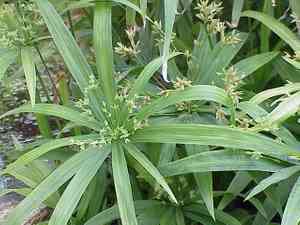
Beyond its environmental benefits, Black flatsedge offers significant ornamental value. The plant's unique texture and form can add visual interest to garden designs, particularly in naturalistic and water-themed landscapes. Its ability to thrive in various soil conditions and moisture levels makes it a versatile choice for gardeners looking to enhance their outdoor spaces.
Minimal Maintenance Requirements
Black flatsedge is known for its minimal maintenance needs, making it an appealing option for busy gardeners or those seeking sustainable landscaping solutions. Once established, Black flatsedge requires little watering and can tolerate a range of environmental stresses, reducing the need for frequent upkeep and interventions. Its resilience and adaptability make it an easy and rewarding addition to any garden.



