How to Prune Black flatsedge?
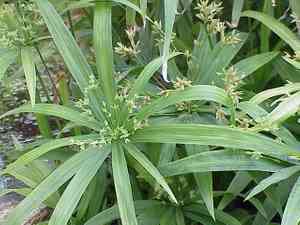
A persistent sedge featuring greenish-black inflorescences, black flatsedge flourishes in damp habitats. Remove withered or discolored leaves to sustain vitality and aesthetic appeal. The most suitable period for trimming is from Spring through Autumn, coinciding with its periods of active development. Pruning stimulates more compact growth, enabling black flatsedge to develop sturdy clumps. Employ sharp, sanitized cutting tools, being cautious not to over-trim, which could harm black flatsedge. Consistent trimming also curtails its proliferation, as black flatsedge possesses the potential to become intrusive under ideal circumstances.
What Are the Benefits of Pruning Black Flatsedge?
What Are the Benefits of Pruning Black Flatsedge?
Trimming black flatsedge promotes robust development and maintains its form. It aids in establishing a strong root system and encourages fresh, healthy shoots, while also preventing the plant from becoming overgrown and unruly.
What Is the Best Time for Pruning Black Flatsedge?
What Is the Best Time for Pruning Black Flatsedge?
Black flatsedge typically exhibits its most active growth during the warmer periods of the year. Pruning in early spring helps stimulate new growth as the plant awakens from winter dormancy. Trimming in early summer is suitable for shaping the plant and encouraging a bushier habit, especially following the initial spring growth spurt. Late fall pruning is beneficial for removing any dead or damaged foliage, which aids in preventing disease and pest infestation throughout the winter. These pruning times avoid disrupting the plant's natural flowering or seed-producing cycle, ensuring black flatsedge remains healthy and vigorous.
What Tools Do I Need to Prune Black Flatsedge?
Hand Pruners
Perfect for cutting through black flatsedge's slender, grass-like stalks without causing unnecessary harm to the plant. Hand pruners offer precision and control, ideal for maintaining the shape of black flatsedge and removing dead or damaged foliage.
Grass Shears
These are especially useful for shaping and tidying the edges of black flatsedge clusters, allowing for a neat and orderly appearance. Their long blades enable quick and efficient work on this grass species.
Gardening Gloves
While black flatsedge typically lacks sharp edges, gloves protect hands from potential irritation and ensure a better grip on pruning tools.
Sharpening Tool
Keeping pruning tool blades sharp is crucial for achieving clean cuts that will heal rapidly, reducing the risk of disease for black flatsedge.
How to Prune Black Flatsedge
Clean Tools
Sanitize pruning shears with alcohol or a bleach solution to prevent the spread of disease when trimming black flatsedge.
Trim Withered Leaves
Carefully remove any withered or yellowing leaves at their base where they connect to the main stem of black flatsedge, using the shears to make a clean cut.
Inspect Plant
Examine black flatsedge for any other parts that show signs of stress or damage, such as brown tips or rot, and prune these areas as needed.
Collect Debris
Gather all removed material from around the base of black flatsedge to prevent any pests or diseases from harboring in the plant debris.
Water Management
After pruning, ensure black flatsedge is adequately watered but not overwatered, as proper moisture levels promote healthy regrowth.
Common Pruning Mistakes with Black Flatsedge
Over Pruning
Removing too much foliage from black flatsedge can weaken the plant, making it susceptible to pests and diseases.
Improper Cutting
Incorrect cutting techniques can damage black flatsedge stems, potentially leading to decay or disease entry points.
Ignoring Dead Material
Failing to remove dead or yellowing leaves compromises black flatsedge's aesthetic and can hinder new growth.
Pruning Healthy Growth
Cutting back healthy growth instead of just old or overgrown sections can diminish the vitality of black flatsedge.
Common Pruning Tips for Black Flatsedge
Sharp Clean Tools
Use sharp, clean pruning shears to make precise cuts without harming black flatsedge's delicate stems.
Direct Cuts
Make cuts at a slight angle, just above a node, to promote new growth without damaging black flatsedge.
Periodic Thinning
Thin out dense clumps of black flatsedge by carefully removing some of the oldest stems to allow light and air to reach the inner sections.
Post-Pruning Care
Provide black flatsedge with post-pruning care, like adequate watering, to help it recover and flourish after trimming.



