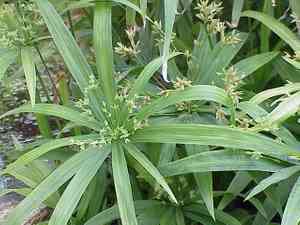
Black flatsedge (Cyperus niger)
Also known as: none
The slender stems of this plant typically grow in clusters and can reach around 50 centimeters in height. The flower clusters, or inflorescences, usually consist of several to more than 20 small spikelets, each less than a centimeter in length, flat, and containing fewer than ten individual flowers. Each flower is enveloped by an oval-shaped bract that is either dark brown or greenish. The fruit produced is a small, disc-shaped achene measuring just over a millimeter in length.
In This Article
Attributes of Black flatsedge
Lifespan
Annual, Perennial
Plant Type
Grass
Plant Height
30-70 cm
Spread
10-20 cm
Leaf Color
Green
Flower Size
Small, usually 2-3 mm per spikelet
Flower Color
Brownish-black
Images of Black flatsedge
Quickly Identify Black flatsedge
1
This plant can be identified by its dark-colored inflorescence spikes, rough and stiff leaves that are arranged in a triangular cross-section. The stems are usually erect and can range from greenish to dark brown.
Scientific Classification of Black flatsedge
Phylum
Vascular plants
Class
Monocotyledons
Order
Poales
Family
Sedge
Genus
Nutgrasses
Species
Black flatsedge
Planting and Growing of Black flatsedge
Care Difficulty
Easy
Watering Schedule
Every 6 days
Sunlight Requirements
Partial sun
Sunshine Duration
4-8 hours
Ideal Temperature
68-77℉
Soil Type
Potting Mix, Peat Mix
Soil pH
6.5-7.5
Fertilizer Type
Balanced
Pruning Season
Spring, Summer
Pruning Area
Branches, Leaves
Pruning Frequency
2 times a year
Repotting Season
Spring
Pot Type
Terracotta, Plastic
 How to Water Black flatsedge?
Water Cyperus niger until the top inch of the soil is moist. Ensure thorough watering but avoid standing water. It's crucial to maintain soil moisture without oversaturation, as consistent moisture promotes healthy growth.
What are the symptoms of an underwatered Black flatsedge?
›
What should I do if my Black flatsedge is not getting enough water?
›
What are the symptoms of an overwatered Black flatsedge?
›
How to save an overwatered Black flatsedge?
›
 What Are the Sunlight Requirements for Black flatsedge?
Cyperus niger calls for a light range between partial sun and full shade, especially beneficial for promoting healthy, vibrant growth and foliage akin to its natural habitat.
What type of light is best?
›
How to achieve ideal lighting?
›
What are the benefits of ideal lighting?
›
 What Is the Ideal Temperature Range for Black flatsedge?
The ideal temperature range for Cyperus niger is between 68°F and 77°F. This range allows for optimal growth and ensures that the plant can photosynthesize efficiently while minimizing stress factors.
 What Soil is Best for Black flatsedge?
Cyperus niger thrives in well-drained soils that prevent waterlogging, reducing the risk of root rot and promoting healthy growth. This plant benefits from soils rich in organic matter, which provide essential nutrients for robust foliage and overall plant health. Although it prefers well-drained soils, Cyperus niger needs consistent moisture to prevent dehydration, ensuring vibrant leaves and strong stems.
 How to Fertilize Black flatsedge?
For Cyperus niger, applying a moderate amount of fertilizer is key. Each liquid feeding should consist of a diluted solution, typically not exceeding one tablespoon of liquid fertilizer per gallon of water. Slow-release fertilizers can be applied sparingly, ensuring not to overload the soil with nutrients. The consistency in application helps maintain the plant's health without causing burns.
 How to Prune Black flatsedge?
Begin by identifying any brown or damaged stems. Use secateurs to cut these stems back to the base. Doing so encourages new growth and prevents the plant from wasting energy on trying to revive dying parts. For aesthetic purposes, shape the plant by trimming the outer stems. Make gradual cuts around the plant’s perimeter to ensure an even shape. This method ensures the plant retains a natural yet groomed appearance.
More About Pruning Techniques→
 How to Propagate Black flatsedge plant?
1
Gather seeds when the plant flowers fade and begin to dry. Ensure that seeds are harvested before they fall to prevent loss. Store seeds in a dry, cool place if not planting immediately.
2
Fill seedling trays with a mix of potting soil and compost. Scatter seeds evenly and press them lightly into the soil without covering them too deeply for better germination results.
3
During Spring, divide the plant clumps carefully using a spade. Ensure each division has enough roots and shoots to promote healthy regrowth. Replant immediately for best results.
 How to Repot Black flatsedge plant?
1
Typically, Cyperus niger requires repotting when you notice roots crowding at the surface or protruding out of the pot’s drainage holes. These are clear signals that your plant has outgrown its current home and needs more space to thrive. Usually, it’s best to perform this task during the spring or summer, as the active growth period will help the plant recover more swiftly from the process.
2
Selecting an appropriate pot for Cyperus niger is crucial. Opt for a pot that is 2-3 inches larger in diameter than the current one to allow room for growth. Ensure it has adequate drainage holes to prevent water-logging. A pot that’s slightly wider than tall will support the natural spread of the plant, promoting healthy growth and aiding in moisture regulation.
3
The ideal soil for Cyperus niger should mimic its natural, marshy habitat, which is well-draining yet retains some moisture. Use a sandy soil mix with organic matter to allow for good aeration and moisture retention. Such a mix ensures the roots have ample oxygen and prevents root rot, while still keeping the moisture levels appropriate for this moisture-loving plant.
Learn More About Black flatsedge Diseases
Anthracnose
Bacterial Leaf Spot
Bacterial Soft Rot
Bacterial Wilt
Chemical Injury
Cyst Nematode
Damping-off
Downy Mildew
Drought Stress
Fusarium Wilt
Gray Mold
Leaf Spot
Mosaic
Nutrient Deficiency
Nutrient Toxicity
Powdery Mildew
Root Rot
Root-knot Nematode
Rusts
Sooty Mold
Spider Mites
Temperature Stress
Thrips Damage
White Mold



