How to Transplant Jumping cholla?
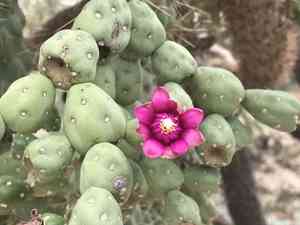
Relocate jumping cholla once the sun's heat stimulates plant vitality, generally from the onset of spring until early summer. Choose bright, adequately draining locations, and provide ample space for growth. Helpful advice: consider its eventual expansion when determining placement!
Preparations Required Before Relocating Jumping Cholla
Optimal Period for Transplanting Jumping Cholla
The best time to move jumping cholla is during the peak of spring extending into early summer. This timeframe offers moderate temperatures and stable weather, promoting better root establishment for jumping cholla and reducing transplant shock. Strategic timing during this season encourages vigorous growth, as warmer soil aids root development. A friendly reminder: this sensible timing helps jumping cholla adapt to its new environment easily, setting the stage for a flourishing display.
Recommended Spacing Between Jumping Cholla Plants
Greetings! Begin by providing your jumping cholla ample room to expand. Aim for a distance of 36-60 inches (91-152 cm) between each plant. This allows them to grow large and robust without competing for nutrients or sunlight!
Ideal Soil Mixture for Jumping Cholla Transplantation
For your jumping cholla, you'll need well-draining soil mixed with a low-nitrogen fertilizer or compost. A cactus blend or incorporating sand and perlite into standard potting soil can create the perfect desert-like habitat they thrive in.
Choosing a New Location for Your Jumping Cholla
Let's find a sunny spot for your jumping cholla! Select a location that receives full sun for most of the day. These resilient plants require at least 6 hours of direct sunlight, so the more, the better for them to flourish!
Equipment Needed Before Transplanting Jumping Cholla
Gardening Gloves
To safeguard your hands from thorns and ensure safe handling of the jumping cholla.
Trowel or Shovel
To excavate the jumping cholla from its original position without harming the root system.
Watering Can or Hose
To hydrate the jumping cholla before removal from the ground and after transplantation for improved root establishment.
Wheelbarrow or Plant Dolly
For moving the jumping cholla to its new site, especially if it is large and heavy.
Rake
To level and prepare the ground at the new planting location before transplanting.
Measuring Tape
To determine the correct distance between plants if planting multiple jumping cholla, ensuring proper spacing.
How to Extract Jumping Cholla from the Soil
How to Extract Jumping Cholla from the Soil?
From Ground: Begin by watering the jumping cholla to make the soil easier to work with. Once moist, use a trowel or shovel to carefully dig around the plant at a safe distance to avoid cutting into the root system. Gently rock the plant back and forth to ease it out of the ground with its root ball and surrounding soil intact.From Pot: Water the jumping cholla thoroughly to ensure the soil is damp. Turn the pot on its side, hold the plant near its base, and tap the bottom to loosen the plant from the pot. Gently pull the plant by its base while supporting the root ball to slide it out without causing damage.From Seedling Tray: Moisten the soil in the seedling tray before carefully extracting the jumping cholla. Use a small stick or a specialized transplanting tool to lift the seedling out of its cell, making sure to support the soil around the roots to keep the root ball together during the move.
Step-by-Step Guide for Transplanting Jumping Cholla
Preparation
Before attempting to transplant jumping cholla, choose the appropriate time for transplantation, typically during the cooler parts of the day, such as early morning or late afternoon, to prevent heat stress.
Digging New Hole
At the new location, use a shovel to dig a hole that is twice as wide and as deep as the root ball of the jumping cholla. This will provide ample space for the roots to expand.
Placement
Position the jumping cholla in the center of the hole. Place the plant so that the top of the root ball is level with the ground surface.
Backfilling
Slowly backfill the soil around the root ball, gently tamping it down as you go to eliminate air pockets. Be careful not to disturb the roots.
Watering
Water the jumping cholla immediately after planting to settle the soil around the roots and aid in recovery from shock. The water should be applied slowly to ensure deep penetration to the root zone.
Stabilizing
If the jumping cholla is large and top-heavy, you may need to provide temporary support with stakes to help it remain upright while the roots establish.
Post-Transplantation Care for Jumping Cholla
Monitoring
Keep a close watch on the jumping cholla for signs of transplant shock, which may appear as wilting leaves or discolored foliage. This is normal but should be carefully observed to ensure recovery.
Watering Schedule
Establish a consistent watering routine to maintain uniformly moist soil around the jumping cholla without overwatering, which can lead to root rot. Water less frequently as the jumping cholla becomes established.
Mulching
Apply a layer of mulch around the base of jumping cholla to help retain soil moisture and regulate temperature. Keep the mulch a few inches away from the stem to prevent moisture buildup.
Protection
Shield the jumping cholla from strong winds or potential threats if necessary until the plant shows significant signs of growth and stability.
Observation
Regularly check for pests or diseases during the initial growth period after transplanting. Early detection can prevent them from causing significant harm to the jumping cholla.
Addressing Common Issues with Jumping Cholla Transplantation.
What is the ideal time to transplant jumping cholla for success?
The best period for transplanting jumping cholla is when spring's warmth subsides, but before summer's peak, typically late spring to early summer.
How much space should I allow between jumping cholla plants?
For optimal growth, provide jumping cholla ample room to flourish by spacing them 36-60 inches (91-152 cm) apart.
What actions should I take if the jumping cholla doesn't seem to settle?
Ensure the soil drains well and the plant receives sufficient light. If it's wilting, check the root ball for adequate moisture.
How deep should I plant jumping cholla in its new location?
The hole should comfortably accommodate the roots, keeping the base level with the soil to prevent stem rot.
What is vital to understand about jumping cholla's sunlight requirements after transplant?
Post-transplant, jumping cholla needs full sunlight to strengthen. Gradually expose it to more light if it was previously in a shadier spot.
Is it necessary to water jumping cholla immediately after transplanting?
Yes, a thorough watering helps settle the soil around jumping cholla's roots. Maintain a consistent watering schedule until established.
What is the safest method for handling jumping cholla during transplanting?
Wear protective gloves and use tools like tongs or a piece of cardboard to handle jumping cholla to avoid its spines.
Why is jumping cholla drooping after transplanting?
Temporary wilting is normal. Ensure the plant isn't too deep, water consistently, and provide proper sunlight for recovery.
Can I fertilize jumping cholla after transplanting, and when?
Wait until jumping cholla is established in its new location, usually around 4 weeks post-transplant, before considering mild fertilization.
How to protect jumping cholla from transplant shock?
Minimize stress by transplanting on an overcast day, watering gently, and avoiding immediate full sun exposure to reduce transplant shock.



