The Jumping cholla Plant Advantage: Maximizing Home and Office Appeal and Wellness
1
Jumping cholla provides essential living space and sustenance for diverse animal species.
2
Its sharp spines help prevent soil degradation in dry regions.
3
Native communities utilize jumping cholla for a range of functional applications.
Why is Jumping Cholla Ecologically Important?
Dwelling and Sustenance Source
Jumping cholla plays a crucial role in dry environments, offering refuge and sustenance to diverse wildlife. Its thick structure provides an ideal home for birds and small mammals. Additionally, its fruits are a valuable food source for animals like deer and rodents, promoting regional biodiversity.
Soil Stabilization
Another significant ecological advantage of Jumping cholla is its capacity to stabilize soil. The plant's deep and extensive root system helps to anchor the earth, thereby reducing erosion problems. This is especially vital in desert regions where soil degradation can lead to severe ecological imbalances.
How is Jumping Cholla Utilized in Traditional Practices?
Crafting Materials
Indigenous cultures have long recognized the usefulness of Jumping cholla. The plant's robust segments are employed to fashion various tools and implements. These handcrafted items are not only functional but also culturally significant, preserving ancestral traditions and skills.
Natural Pigment
Jumping cholla also serves as a source of natural dye, used in traditional textile production. The plant's pigments yield earthy tones that are eco-friendly alternatives to synthetic dyes. This practice supports sustainable industrial methods and highlights the plant's diverse utility.
Can Jumping Cholla Benefit Human Endeavors?
Horticulture and Landscape Design
Jumping cholla is gaining popularity in xeriscapingâa landscaping approach that minimizes or eliminates the need for irrigation. Its resilient nature and distinctive appearance make it an appealing choice for sustainable gardens, reducing water consumption and maintenance efforts.
Boundary Plants
Jumping cholla can also be employed as a natural barrier or fence. Its dense growth and sharp spines make it an effective deterrent against both human intruders and predatory animals. This application demonstrates its practical advantages in residential and agricultural settings.
How Does Jumping Cholla Contribute to Biological Diversity?
Pollinator Support
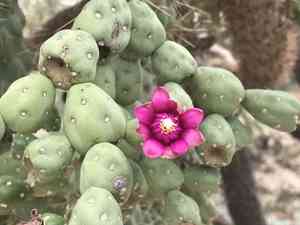
Jumping cholla features blossoms that attract various pollinators, including bees and butterflies. By offering a nectar source in arid habitats, it sustains pollinator populations, which are essential for the health of many plant species and ecosystems.
Seed Distribution
The plant's fruits are not only a food source but also contribute to seed dispersal. Animals that consume the fruits help to spread the seeds over a wider area, facilitating the growth of new plants and enhancing the genetic diversity of the species.
What Conservation Initiatives Exist for Jumping Cholla?
Protected Zones
Protected areas and reserves have been established to safeguard Jumping cholla's natural habitat. These efforts aim to preserve the ecosystems where the plant thrives, ensuring its continued provision of environmental and practical benefits for future generations.
Community Programs
Local communities are increasingly participating in conservation efforts. Educational programs teach the importance of Jumping cholla and how to interact with it sustainably. These community-based actions are crucial for long-term conservation success.



