How to Propagate Jumping cholla?
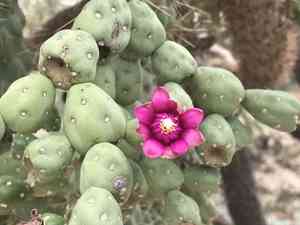
The jumping cholla, a unique cactus recognized by its segmented structure, readily propagates via cuttings. For successful propagation, permit the severed segment to form a callus over several days prior to embedding it in a well-draining substrate. Rooting will be enhanced if the cuttings are situated in diffused light and irrigated prudently to avert decay. Ensuring a consistent environment with limited disruption will foster root formation for robust development.
When Is the Optimal Time to Propagate Jumping Cholla?
Propagation Method
Cutting
Propagation Period
Autumn,Winter
What Equipment Is Used for Jumping Cholla Propagation?
Thickly padded gloves
Given the spiky nature of jumping cholla, gloves with substantial padding are crucial to shield hands from sharp spines during the cutting process. These gloves enable the propagator to safely handle jumping cholla, minimizing injury and ensuring precise cuts for propagation.
Sharp, sanitized pruning shears
Sharp, clean pruning shears are essential for making neat and accurate cuts on jumping cholla branches. Clean cuts help prevent disease and damage to jumping cholla, contributing to a higher success rate in root development from cuttings. It is crucial that the shears are sterilized before use to avoid introducing pathogens to the fresh cuts.
Rooting compound
Applying a rooting compound to the severed ends of jumping cholla cuttings can significantly boost root development. This hormone stimulates root growth and helps the cuttings establish more quickly once potted or planted in soil. Rooting hormone also reduces the propagation timeframe and increases the success rate of new jumping cholla plants establishing.
Cactus potting medium
A well-draining cactus potting mix is essential for planting jumping cholla cuttings. This specialized soil provides the adequate drainage and aeration required by jumping cholla to prevent root rot and other moisture-related issues. The mix supports healthy root growth, which is crucial for the successful establishment of propagated plants.
Terracotta or porous containers
Terracotta pots or other breathable planting containers are recommended for jumping cholla cuttings because they allow for better air and water exchange compared to non-porous materials. This helps to regulate soil moisture levels, reducing the risk of root diseases and supporting healthier growth during the critical establishment phase.
How to Propagate Jumping Cholla?
Propagation Difficulty
Moderately Difficult
How to Care for Your Newly Propagated Jumping Cholla?
How to Care for Your Newly Propagated Jumping Cholla?
After propagation, ensure jumping cholla receives bright, indirect light and minimal watering, as excessive moisture can lead to root rot. Maintain arid conditions, typical of its native habitat. During the growing season, water only when the soil has dried out completely. Fertilize sparingly, if at all. Protect the plant from extreme cold temperatures and frost.
Common Errors to Avoid When Propagating Jumping Cholla
Excessive watering
Overwatering jumping cholla cuttings can cause root rot, which is problematic since these plants are adapted to arid environments and require well-draining soil. Saturated soil will hinder root growth and might kill the cutting.
Using blunt cutting tools
Attempting to propagate jumping cholla with dull tools can crush or damage the plant tissues, leading to poor healing of the cut ends. This can increase the risk of infection and impede successful propagation.
Neglecting hand protection
Not wearing gloves when handling jumping cholla is a common oversight, but it is problematic because the spines can detach easily and become embedded in the skin, leading to potential injury or infection.
Planting cuttings too deeply
Inserting jumping cholla cuttings too deeply into the soil can cause them to rot before they establish roots. The base of the cutting needs to be in shallow contact with soil to encourage rooting without promoting decay.
Tips For Propagating Jumping Cholla
Appropriate cut selection
Choose healthy and disease-free segments of jumping cholla for propagation. The cutting should be taken from a mature segment to ensure it contains enough stored energy to root and grow independently.
Allowing cuts to harden
Allowing the cut end of jumping cholla cuttings to callous over for several days before planting is essential as it helps to heal the wound and prevents rot when placed in soil.
Well-draining soil
Use a well-draining soil mix for jumping cholla to mimic its natural arid habitat. This ensures that moisture around the new roots can escape, preventing rot and encouraging healthy root development.
Sufficient sunlight
Provide jumping cholla with plenty of indirect sunlight during the rooting phase. While the plant is adapted to bright conditions, direct sunlight can be too intense for the unrooted cuttings and might cause them to scorch.



