How to Transplant Red osier dogwood?
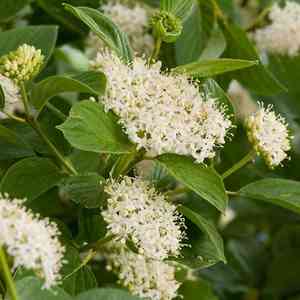
To achieve optimal outcomes, relocate red osier dogwood during the ideal period from late spring through mid-summer, when temperatures facilitate peak development. Red osier dogwood flourishes in fertile, adequately draining substrates with exposure ranging from full sunlight to partial shade. Ensure you carefully separate the root mass to encourage superior integration.
What Preparations are Necessary Before Relocating Red Osier Dogwood?
When is the Optimal Time for Moving Red Osier Dogwood?
The ideal period to relocate red osier dogwood spans from late spring to mid-summer, ensuring a smooth transition and vigorous development. This timing fosters robust roots and vibrant foliage, helping your plant thrive!
What Distance Should Be Maintained Between Red Osier Dogwood Plants?
When relocating red osier dogwood, it's crucial to provide ample room for their growth. We recommend spacing them 6-9 feet (1.8-2.7 meters) apart for optimal development and air circulation.
What is the Best Soil Blend for Red Osier Dogwood Relocation?
For red osier dogwood, a well-draining soil comprising clay, sand, and loam is perfect. Enhance the soil with a foundational fertilizer like compost or aged manure to provide the plant with a nutrient boost.
Where Should You Replant Your Red Osier Dogwood?
Choose a location for your red osier dogwood where it can receive full sun to partial shade. This means at least 4-6 hours of daily sunlight for the plant to flourish. Avoid excessively shaded areas to prevent potential ailments.
What Tools Should You Prepare Before Relocating Red Osier Dogwood?
Gardening Gloves
To safeguard your hands while handling soil and plants.
Shovel or Spade
For excavating the planting hole and extracting the plant from its initial spot.
Trowel
For precise planting and adjusting soil levels.
Garden Fork
To aerate compacted soil and encourage root expansion.
Watering Can or Hose
To hydrate the plant before and after its relocation.
Pruner
To trim damaged or lifeless branches from the red osier dogwood plant.
Organic Mulch
To assist in retaining moisture and inhibiting weed growth.
How Do You Extract Red Osier Dogwood from the Ground?
How Do You Extract Red Osier Dogwood from the Ground?
- From Ground:First, moisten the red osier dogwood plant to dampen the soil. Then, excavate a wide trench around the plant using a shovel or spade, ensuring the plant's root ball remains intact. Carefully work the spade beneath the root ball to lift the plant from its original position.- From Pot:Water the red osier dogwood in its container to help loosen the soil. Gently tip the pot and slide the root ball out, being careful not to harm the roots.- From Seedling Tray:Dampen the soil surrounding the red osier dogwood seedling. Use a trowel to carefully loosen the soil around the root system and lift the seedling from the tray.
Step-by-Step Guide for Relocating Red Osier Dogwood
Site Preparation
Loosen the soil in the chosen area using a garden fork, removing any weeds, stones, and debris.
Digging the Hole
Using a shovel or spade, dig a hole twice as wide and equal in depth to the red osier dogwood's root ball.
Placing the Plant
Position the red osier dogwood in the hole, ensuring the top of the root ball is level with the surrounding soil.
Refilling the Hole
Backfill the hole with the excavated soil, gently compacting it around the base of the plant to eliminate air pockets.
Watering
Thoroughly water the red osier dogwood to help the soil settle and hydrate the roots.
Mulching
Apply a 2-3 inch layer of organic mulch around the base of the plant, being careful to avoid direct contact with the stem.
How Do You Care For Red Osier Dogwood After Relocation?
Watering
Keep the soil around the red osier dogwood consistently moist, but not waterlogged, for the initial weeks after relocation to aid in establishing strong roots.
Pruning
Regularly inspect the red osier dogwood and use a pruner to remove dead, damaged, or crossing branches to maintain its health and form.
Monitoring
Watch for indications of pests or diseases and address issues promptly to ensure the well-being of the red osier dogwood plant.
Fertilizing
Apply a slow-release, balanced fertilizer around the red osier dogwood as needed to encourage healthy growth. Always adhere to label instructions for application rates and frequency.
Troubleshooting Common Issues with Red Osier Dogwood Relocation.
When is the best time to relocate red osier dogwood?
The optimal time to relocate red osier dogwood is late spring to mid-summer, when the weather is warm and mild.
What is the recommended spacing for red osier dogwood?
For optimal growth, plant red osier dogwood approximately 6-9 feet (1.8-2.7 meters) apart to allow ample space for root development.
How deep should I dig the hole for relocating red osier dogwood?
Dig a hole about twice the width and the same depth as the root ball or container of your red osier dogwood.
What kind of soil should I use for relocating red osier dogwood?
Red osier dogwood prefers moist, well-drained soil with a pH of 6.0-7.0. You can add compost to enrich the soil.
How much water do red osier dogwood plants need after relocating?
Keep the soil consistently moist but not waterlogged. Water deeply once a week or more during very hot/dry periods.
Why are the leaves of my relocated red osier dogwood turning yellow?
Yellow leaves can indicate overwatering or poor soil drainage. Ensure that the soil is moist but well-drained.
Should I prune red osier dogwood during relocation?
Prune red osier dogwood during the dormant season by removing dead or damaged branches to promote new growth.
Do I need to mulch after relocating my red osier dogwood?
Adding a 2-4 inch (5-10 cm) layer of organic mulch will help retain soil moisture, moderate temperature, and prevent weeds.
Should I fertilize red osier dogwood right after relocating?
Wait 4-6 weeks after relocating, then use an all-purpose, slow-release fertilizer to promote healthy growth and development.
How can I protect the newly relocated red osier dogwood from pests?
Monitor your red osier dogwood for pests and diseases. Use insecticidal soaps or neem oil for aphids and other common pests.



