How to Prune Red osier dogwood?
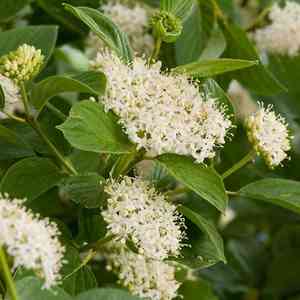
The red osier dogwood, a deciduous shrub known for its striking crimson branches, flourishes with consistent trimming to preserve its form and stimulate vivid fresh development. Perform pruning on red osier dogwood in early spring prior to leaf emergence, concentrating on excising any aged, compromised, or faded stems at the soil line. Reducing density in the core improves air movement and light access, which are crucial for red osier dogwood's vigor. This technique revitalizes the shrub, boosting its aesthetic value and guaranteeing strong well-being.
What Are the Benefits of Pruning Red Osier Dogwood?
What Are the Benefits of Pruning Red Osier Dogwood?
Trimming red osier dogwood encourages robust new growth and helps maintain its desired form, ensuring both visual appeal and optimal plant vitality.
What Is the Best Time for Pruning Red Osier Dogwood?
What Is the Best Time for Pruning Red Osier Dogwood?
Pruning in early spring is ideal as red osier dogwood is dormant during winter. This timing minimizes plant stress, and cuts heal faster due to the upcoming active growth. It also allows removal of winter-damaged branches, helping red osier dogwood maintain a healthy structure. Furthermore, since red osier dogwood flowers on new wood, an early spring trim ensures flowering is unaffected and may even promote more vibrant blooms.
What Tools Do I Need to Prune Red Osier Dogwood?
Hand Pruners
Perfect for making precise cuts on stems and smaller branches of red osier dogwood up to 3/4 inches in diameter. Opt for bypass pruners for clean cuts without crushing plant tissue.
Lopping Shears
Effective for cutting through thicker branches of red osier dogwood between 3/4 inches and 1 1/2 inches in diameter. Their long handles provide leverage for easier cutting.
Pruning Saw
Essential for removing larger branches exceeding 1 1/2 inches in thickness. A pruning saw helps cut through dense wood without causing undue strain on red osier dogwood.
Hedge Shears
Suitable for shaping red osier dogwood if it's used as a hedge or for a formal look. These shears allow for trimming and shaping over a larger area.
Pruning Gloves
To safeguard hands from thorns and rough bark while trimming red osier dogwood. This ensures the gardener can work safely and comfortably.
Cleanup Tools
Rakes and tarpaulins for collecting and removing debris after pruning. Keeping the base of red osier dogwood clear of excess material helps prevent disease and pests.
How to Prune Red Osier Dogwood
Step1: Timing for Pruning
Determine the appropriate time of year for trimming red osier dogwood, which is late winter or early spring before new growth begins. This timing allows for clear visibility of the plant's structure and ensures rapid healing of cuts as the plant enters its active growth phase.
Step2: Remove Damaged Wood
Start by removing any damaged wood. Look for branches that are broken, dead, or diseased. Make clean cuts with sharp pruning shears just above a healthy bud or set of buds at a 45-degree angle, approximately 1/4 inch from the bud, to encourage new growth.
Step3: Prune Old Wood for Rejuvenation
Trim old wood to rejuvenate red osier dogwood since this plant flowers on new growth. Cut back one-third of the oldest, most faded stems to ground level, which will stimulate the development of new, more vigorous, and colorful stems.
Step4: Eliminate Suckers for Cleaner Base
Remove suckers, which are sprouts growing from the base or roots of red osier dogwood. They can be cut flush to the ground or to their point of origin to promote a cleaner plant base and more upright growth.
Step5: Shaping for Healthy Growth
Shape red osier dogwood after removing damaged and unwanted wood. Aim for an open, vase-like shape by evenly thinning out the branches. This improves light penetration and air circulation throughout the plant, fostering healthy growth.
Step6: Sterilize Pruning Tools
After pruning, sanitize your tools with a disinfectant to prevent the spread of diseases. Apply a diluted bleach solution or rubbing alcohol to the pruning blades to sterilize them.
Step7: Dispose of Pruning Debris
Discard or compost the removed material unless it is diseased; in this case, dispose of it with household waste to prevent the spread of disease in your garden.
Step8: Plant Care Post-Pruning
Monitor red osier dogwood for its response after pruning. Water the plant adequately and, if necessary, apply a balanced fertilizer to support vigorous growth in the subsequent growing season.
Post-Pruning Care for Red Osier Dogwood
Post-Pruning Care for Red Osier Dogwood
After pruning, red osier dogwood requires immediate attention to maintain health. Ensure proper hygiene to prevent disease, water deeply to reduce stress. Regulate exposure to indirect sunlight, maintain moderate humidity, and a temperature range suitable for red osier dogwood's hardiness zone. Apply a balanced fertilizer to support new growth. Regularly inspect red osier dogwood for wilting or discoloration as signs of stress or infection. If symptoms appear, adjust care or consult an expert promptly.
Common Pruning Mistakes with Red Osier Dogwood
Excessive Pruning; Removing Too Much
Over-trimming by removing more than one-third of red osier dogwood's branches, which can stress the plant and lead to reduced vigor and fewer flowers.
Top-Only Pruning; Neglecting Plant Base
Trimming only the upper portion of red osier dogwood and neglecting the base, resulting in a plant that is leggy and lacks the desired bushy appearance.
Improper Cut Technique; Stubs and Close Cuts
Making incorrect cuts, such as leaving stubs or cutting too close to the main branch, which increases the risk of disease and pests.
Unsanitized Tools; Disease Transmission
Not sanitizing pruning tools before use, which can spread diseases between plants.
Ignoring Dead or Damaged Wood; Reduced Plant Health
Ignoring dead, diseased, or damaged wood, allowing these issues to compromise the overall health and aesthetics of red osier dogwood.
Common Pruning Tips for Red Osier Dogwood
Remove Dead Wood First; Promote Plant Health
Begin by removing any dead, diseased, or damaged wood to promote the health and vigor of red osier dogwood, cutting back to healthy tissue.
Use Sharp Clean Tools; Clean Cuts for Quick Healing
Utilize sharp, clean tools to make precise cuts that will heal quickly, preventing disease and decay from entering the plant.
Thin Overcrowded Areas; Improve Air and Light
Focus on thinning overcrowded areas to enhance air circulation and light penetration, which encourages strong new growth and blooms.
Cut Stems at Varied Lengths; Fuller Shape
Encourage a fuller, more compact shape by cutting stems at different lengths rather than uniformly shearing the plant.
Heavily Prune Older Stems; Stimulate New Growth
Trim older stems more aggressively to stimulate the growth of new, more productive stems that will display brighter bark color and promote better flowering.
Fertilize After Pruning; Support Growth and Recovery
After pruning, apply a balanced, slow-release fertilizer to support the growth and recovery of red osier dogwood.



