Enhancing Your Garden Design with the Red osier dogwood Plant: A Landscaping Guide
1
Red osier dogwood displays impressive seasonal color shifts, offering a lively element to any outdoor space.
2
Thoughtfully positioned Red osier dogwood can function as an organic privacy barrier within your yard.
3
Consistent trimming assists Red osier dogwood in preserving its vivid look and encourages robust development.
Introducing Red osier dogwood in Landscape Design
Appreciating the visual appeal of Red osier dogwood
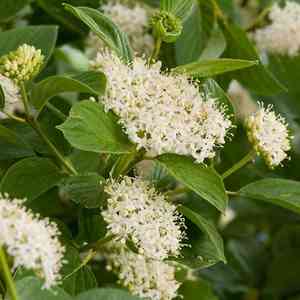
The visual appeal of Red osier dogwood stems from its striking beauty, captivating observers with its vivid red branches and rich green foliage. It's an excellent option for injecting color into any landscape. Even in winter, when most plants are dormant, its red stems stand out against snow, offering year-round interest. Its charm extends beyond its leaves to its berries and blossoms, which attract birds and pollinators.
How seasonal changes affect Red osier dogwood's appearance
A key allure of Red osier dogwood is its seasonal transformation. In spring and summer, it showcases dense green leaves and white flowers, bringing a fresh feel. By autumn, its leaves shift to brilliant reds and purples, enhancing the fall scenery. In winter, when other plants are bare, its red stems become the focal point. This seasonal shift ensures Red osier dogwood remains a highlight in your landscape throughout the year.
Red osier dogwood's adaptability in various landscape designs
Red osier dogwood is highly adaptable, fitting diverse landscape styles, from formal gardens to naturalistic settings. Its tolerance for different soil types and moisture levels means it can flourish in many environments. Whether used as a solitary specimen, in mixed borders, or as part of a larger planting scheme, it integrates seamlessly with other plants and structures. Its versatility makes it a practical choice for gardeners aiming for a cohesive yet varied landscape.
Optimal Placement of Red osier dogwood
Selecting prime spots for maximum visual impact
To maximize Red osier dogwood's visual impact, place it where its seasonal color changes and bright stems are easily visible and appreciated. Position it near paths, patios, or entrances to greet visitors with its vibrant hues. Consider its growth habit and mature size to avoid overcrowding and allow ample space to thrive. Grouping several plants can create a bold statement, while a single one can serve as a striking accent in smaller areas.
Using Red osier dogwood for natural screening
Red osier dogwood can form an effective natural privacy screen due to its dense growth. Planting multiple in a row creates a living fence that not only blocks views but also adds beauty with its colorful stems and leaves. This is especially useful for creating secluded garden areas or shielding your property. Additionally, its twigs and branches provide bird habitat, adding a wildlife-friendly element to your landscape.
Enhancing water features with Red osier dogwood
Placing Red osier dogwood near water features like ponds, streams, or fountains can boost the natural beauty of both the plant and the water. The reflection of its colorful stems in the water creates a captivating effect, especially in winter. Its preference for moist soil makes it ideal for such locations, where it can thrive and contribute to the water feature's ecosystem. Combining it with other moisture-loving plants can create a harmonious waterside planting.
Companion Plantings for Red osier dogwood
Choosing compatible plants that flourish together
Selecting appropriate companion plants for Red osier dogwood can improve your landscape's overall health and appearance. Opt for plants with similar soil, light, and moisture needs to ensure compatibility. Perennials, shrubs, and grasses that thrive in similar conditions can create a balanced and sustainable planting scheme. Companion plants can also fill gaps, adding layers of texture and color that complement Red osier dogwood's striking look.
Color coordination with Red osier dogwood's vivid shades
Harmonize your garden's colors by choosing plants that either complement or contrast with Red osier dogwood's vibrant hues. For example, pairing it with blue or purple flowering plants can create a striking contrast, while combining it with yellows and oranges can intensify autumn's fiery palette. The goal is to create a cohesive color scheme that highlights Red osier dogwood and its surrounding plants, making your garden visually appealing year-round.
Seasonal planting strategies for continuous beauty
For year-round beauty, design your garden with a variety of plants that bloom or change colors in different seasons. Combine Red osier dogwood with spring bulbs, summer perennials, and fall foliage plants for a continuous display of color and interest. Incorporating evergreens alongside it can provide structure and greenery during winter, ensuring your garden remains attractive even when deciduous plants are bare. Seasonal planting not only enhances visual appeal but also supports biodiversity by providing habitats for various wildlife throughout the year.
Care and Cultivation Tips for Red osier dogwood
Fundamental advice for maintaining Red osier dogwood's health and vibrancy
Keeping Red osier dogwood healthy and vibrant is quite simple. Ensure it gets ample sunlight or partial shade and is planted in well-draining soil. Consistent watering is vital, especially during dry periods, to keep the soil moist. Applying mulch can help retain moisture and suppress weeds. Fertilize annually with a balanced fertilizer to encourage robust growth. Monitoring for pests and diseases and acting promptly will also keep your Red osier dogwood in prime condition.
Pruning methods specific to Red osier dogwood
Pruning is crucial for maintaining Red osier dogwood's shape and vigor. The ideal time to prune is late winter to early spring before new growth starts. Remove any dead or damaged branches to prevent disease and stimulate new growth. To encourage vibrant stem color, cut back one-third of the oldest stems to the ground each year. This rejuvenation pruning promotes fresh, colorful stems, ensuring your Red osier dogwood remains a striking garden feature.
Understanding Red osier dogwood's growth habits
Understanding Red osier dogwood's growth patterns helps in managing its size and spread effectively. It tends to grow quickly, reaching a mature height and width of 6-9 feet. It spreads via suckering, which can fill spaces but may need management to prevent unwanted spread. Regular pruning and monitoring will help control its growth and ensure it doesn't overpower other garden plants. Knowing these patterns allows for proper planning, creating a balanced and well-maintained landscape.



