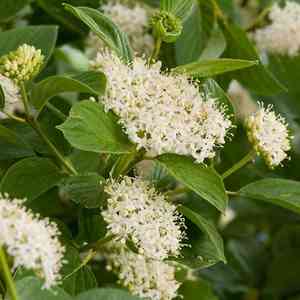
Red osier dogwood (Cornus sericea)
Also known as: Creek dogwood, Red-rood
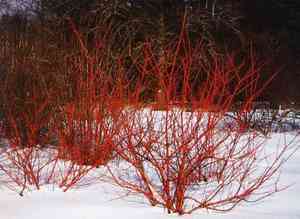
The Red Osier Dogwood (Cornus sericea) is a shrub known for its eye-catching dark red stems in winter. It blooms with yellowish-white flowers in early summer and bears fruit in the fall. This plant provides essential food and shelter for more than ninety-eight bird species. Additionally, Native Americans traditionally used its branches to craft baskets.
In This Article
Attributes of Red osier dogwood
Lifespan
Perennial
Plant Type
Shrub
Plant Height
1.5 m to 4 m
Spread
3 m to 5 m
Leaf Color
Green Yellow
Flower Size
5 mm to 1 cm
Flower Color
White Cream Green
Images of Red osier dogwood
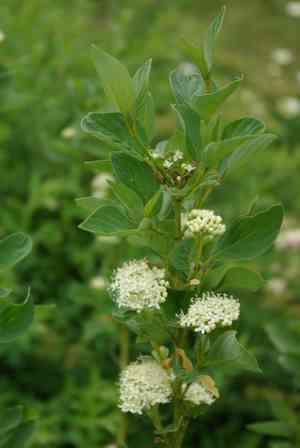
Quickly Identify Red osier dogwood
1
Vibrant red stems and twigs stand out in winter, reaching heights of 6-9 feet (1.8-2.7 meters).
2
Flat-topped, creamy-white flowers form dense clusters in mid to late spring.
3
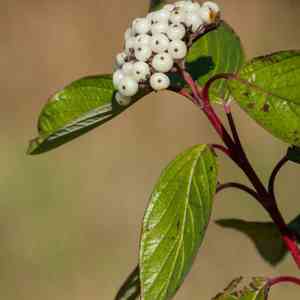
Distinct white berries with a bluish tinge persist into late summer and early fall.
4
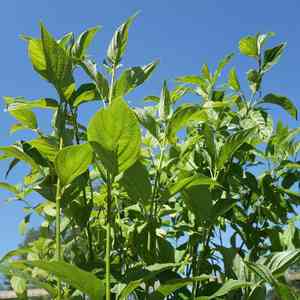
Leaves transition from green to orange, red, and purple in fall, measuring 2-5 inches (5-13 cm).
5
Slender, upright stems with bright red to dark blood-red color create a striking visual contrast.
Scientific Classification of Red osier dogwood
Phylum
Vascular plants
Class
Dicotyledons
Order
Cornales
Family
Dogwood
Genus
Dogwoods
Species
Red osier dogwood
Planting and Growing of Red osier dogwood
Care Difficulty
Easy
Watering Schedule
Every 8 days
Sunlight Requirements
Full sun
Sunshine Duration
6-10 hours
Ideal Temperature
60-75℉
Soil Type
Potting Mix, Peat Mix
Soil pH
5.5-7.5
Fertilizer Type
Balanced
Pruning Season
Spring, Summer
Pruning Area
Branches, Leaves
Pruning Frequency
Once a year
Repotting Season
Spring
Pot Type
Plastic, Ceramic
 How to Water Red osier dogwood?
Cornus sericea, also known as Red Osier Dogwood, thrives with modest yet consistent watering. Ensure the soil is drenched during each session, providing around 1000 ml of water. Aim to wet the soil thoroughly until moisture begins to seep out from the bottom of the pot or ground, guaranteeing that the roots receive an adequate supply.
More About Watering Techniques→
What are the symptoms of an underwatered Red osier dogwood?
›
What should I do if my Red osier dogwood is not getting enough water?
›
What are the symptoms of an overwatered Red osier dogwood?
›
How to save an overwatered Red osier dogwood?
›
 What Are the Sunlight Requirements for Red osier dogwood?
Cornus sericea's ideal light range is full to partial sun, ensuring it gets between 4 to 6 hours of light daily. Adequate sunlight boosts growth, enhances flowering, and maintains leaf coloration.
More About Sunlight Requirements Techniques→
What is the best light for Cornus sericea?
›
How to achieve ideal lighting?
›
Benefits of ideal lighting conditions?
›
 What Is the Ideal Temperature Range for Red osier dogwood?
The ideal temperature range for Cornus sericea, also known as Red-osier Dogwood, is typically between 60°F and 75°F. This range supports optimal photosynthesis and growth rates. Maintaining these conditions allows the plant to thrive, providing the necessary warmth without exceeding the heat tolerance threshold.
 What Soil is Best for Red osier dogwood?
Cornus sericea thrives in moist soil conditions, which is essential for its robust growth. It ensures that the plant remains healthy and vibrant, especially in the warmer months, providing sufficient hydration without waterlogging. Though Cornus sericea prefers moisture, it also requires well-drained soil to prevent root rot. Providing proper drainage balances moisture retention, crucial for the plant's overall health and longevity in your garden. Incorporating rich organic matter into the soil is beneficial for Cornus sericea, as it enhances soil fertility and texture. This improvement encourages vigorous plant growth and vibrant foliage coloration.
More About Soil→
 How to Fertilize Red osier dogwood?
For Cornus sericea, use a balanced 10-10-10 liquid fertilizer. Apply about 1/2 to 1 ounce per gallon of water, ensuring even distribution across the root zone. For slow-release granular fertilizers, spread approximately 1 pound per 100 square feet of soil, adjusting slightly based on plant performance and soil fertility levels.
More About Fertilizing Techniques→
 How to Prune Red osier dogwood?
Before you begin pruning, gather sharp pruning shears, loppers, and gloves. Ensure your tools are clean to prevent the spread of disease. Begin by identifying the stems you will prune, focusing on older, discolored ones. Start by cutting back the oldest stems to the base of the plant. Remove any dead or diseased wood by cutting well below the problem area into healthy growth. Trim remaining stems to maintain a balanced shape, reducing their length by up to a third to stimulate bushier growth. After pruning, water the plant thoroughly to help it recover. Apply a balanced fertilizer to support new growth and mulch around the base to retain moisture and suppress weeds. Monitor the plant for any signs of stress or disease.
More About Pruning Techniques→
 How to Propagate Red osier dogwood plant?
1
Collect mature seeds from the plant in late autumn. Soak them in water for 24 hours and then stratify them by placing them between layers of moist sand in a sealed container in the refrigerator for several months.
2
Select a healthy branch and cut a 6-8 inch section from it. Remove the lower leaves and dip the cut end in rooting hormone. Plant it in a pot filled with a well-draining potting mix.
3
In early spring, dig up the entire bush and divide the root ball into smaller sections, each with several shoots. Replant each section at the same depth they were growing originally.
 How to Repot Red osier dogwood plant?
1
It's time to repot Cornus sericea when you notice roots circling the container's bottom or protruding from the drainage holes. Growth appearing stunted is another signal. Ideally, choose to repot before new growth in spring or autumn when temperatures are mild enough to lessen transplant shock.
2
Select a pot that is just one size larger than the current one, ensuring it has good drainage holes. A slightly larger pot prevents excess soil, which could retain extra moisture and cause root rot. A ceramic or terracotta pot can be ideal due to their breathability.
3
Opt for a soil mix that offers good drainage yet retains enough moisture to keep roots hydrated. A mix containing peat, loam, and sand is ideal, ensuring sufficient aeration while preventing waterlogging. This encourages healthy root development and overall plant vitality.



