The Red osier dogwood Plant Advantage: Maximizing Home and Office Appeal and Wellness
1
Red osier dogwood is recognized for its vibrant red branches, offering continuous aesthetic appeal.
2
This shrub aids local fauna by supplying sustenance and shelter.
3
Red osier dogwood assists in securing soil and averting erosion in moist environments.
Why Select Red osier dogwood for Your Garden?
Visual Allure
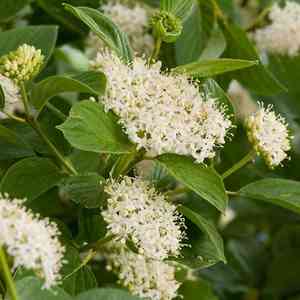
Red osier dogwood is an excellent option for gardeners seeking to introduce year-round color. Its vivid red stems provide striking contrast against winter backdrops, offering aesthetic interest even when other plants are bare. In spring and summer, it showcases lush green leaves and clusters of small white blooms, which later develop into white to bluish fruits.
Erosion Prevention
A key ecological advantage of Red osier dogwood is its capacity to stabilize soil and prevent erosion. This plant flourishes in wet environments and along riverbanks, where its dense root system helps secure the earth. This makes it an ideal choice for naturalizing areas prone to flooding or erosion, fostering healthier and more stable ecosystems.
How Does Red osier dogwood Support Local Wildlife?
Food Source
Red osier dogwood serves as a vital food source for various wildlife. Its berries are particularly favored by birds, including species such as robins, waxwings, and thrushes. These fruits supply essential nutrients and energy, especially during migratory periods and the harsh winter months.
Habitat and Refuge
Beyond its role as a food source, Red osier dogwood also provides crucial habitat and shelter. Its dense foliage offers nesting sites for birds and cover for small mammals. By incorporating Red osier dogwood into your landscape, you create a safe haven for wildlife, promoting biodiversity and ecological balance.
What Are the Practical Applications of Red osier dogwood?
Landscaping and Decorative Uses
In landscaping, Red osier dogwood is valued for its adaptability and minimal upkeep. It can be utilized in diverse settings, from formal gardens to naturalized zones. It functions well as a hedge or border plant and can be part of mixed shrub borders or mass plantings. Its ability to thrive in various soil types and conditions further enhances its appeal.
Traditional Applications
Historically, Indigenous communities have used Red osier dogwood for various purposes. Its pliable stems were often employed in basket weaving, while its bark was used for creating natural dyes. While these traditional uses may be less common today, they underscore the plantâs historical and cultural significance.
How to Care for Red osier dogwood?
Planting and Growing Requirements
Red osier dogwood prefers moist, well-drained soils but can adapt to a range of soil conditions. It thrives in full sun to partial shade, making it suitable for various garden settings. When planting, ensure it has ample space to grow, as it can reach up to 10 feet in height and spread. Proper spacing also promotes air circulation, reducing the risk of disease.
Maintenance Advice
Caring for Red osier dogwood is relatively simple. Consistent watering is crucial, especially during dry spells, to maintain soil moisture. Pruning is recommended in late winter or early spring to encourage new growth and maintain the plantâôs form. Removing old stems can also enhance the plant's visual appeal and health.
How Does Red osier dogwood Benefit the Environment?
Water Purification
Red osier dogwood plays a significant role in water filtration and maintaining healthy waterways. Its roots help to trap sediments and pollutants, reducing runoff and improving water quality. Planting Red osier dogwood near water bodies can contribute to cleaner, healthier aquatic ecosystems.
Carbon Sequestration
Another environmental advantage of Red osier dogwood is its capacity to sequester carbon. As it grows, it absorbs carbon dioxide from the atmosphere, helping to mitigate the effects of climate change. Integrating Red osier dogwood into your landscape can be a small yet impactful way to contribute to environmental sustainability.



