How Much Sunlight Do Red osier dogwood Need?
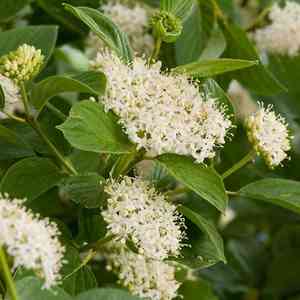
1
Red osier dogwood flourishes in conditions ranging from partial to full sun, which translates to approximately 3-6 hours of direct sunlight each day.
2
Its striking, crimson stems display their brightest color when the plant gets sufficient illumination year-round.
3
Observing and modifying the amount of light it receives can aid in avoiding typical problems such as scorched leaves and stunted development.
Grasping Red osier dogwood Light Requirements
The Vital Role of Light for Red osier dogwood
Light powers photosynthesis, the process by which Red osier dogwood transforms light energy into sustenance. Sufficient illumination promotes vigorous development, vivid coloration, and overall plant vitality. With proper light, the plant develops stronger stems and more abundant foliage, enhancing its aesthetic value and benefit to wildlife.
Ideal Light Conditions for Red osier dogwood
Red osier dogwood thrives best in conditions ranging from partial to full sun. Optimal light exposure means the plant should receive at least 3-6 hours of direct sunlight daily. This duration allows the plant to absorb enough light for robust growth and to maintain its striking red branches. Full sun is also acceptable, but closer attention to hydration needs becomes even more critical to prevent stress.
Required Light Levels for Red osier dogwood
Full Sun Versus Partial Shade
While Red osier dogwood can endure full sun, partial shade is often preferable as it offers a balance that can lessen stress and prevent issues like leaf burn. Full sun (over 6 hours of direct light) might stress the plant in warmer climates, requiring additional watering and care. Conversely, partial shade (3-6 hours of light) provides a good compromise, offering enough light for growth while reducing excessive heat exposure.
Seasonal Light Fluctuations
The amount of light Red osier dogwood receives can change with the seasons. In spring and summer, when the sun is higher and days are longer, the plant typically gets ample light. However, during autumn and winter, with shorter daylight and lower sun angles, ensuring adequate exposure can be more challenging. Trimming nearby trees or structures that cast excessive shadows during these months can help maintain the necessary light levels.
Advice for Ensuring Proper Light for Red osier dogwood
Selecting the Correct Site
Choosing an appropriate planting spot is essential for meeting Red osier dogwood's light demands. Seek out areas in your garden that receive morning sun and dappled afternoon light. This setup provides gentle light exposure, lowering the risk of overheating while still ensuring the plant gets the necessary illumination to flourish. Avoid planting in deep shade, as this can impede growth and diminish the plant's visual appeal.
Monitoring and Adjusting Light Exposure
Regularly observe your Red osier dogwood for indications of too little or too much light. Repositioning portable potted plants or pruning overhanging branches can help improve light conditions. Furthermore, be mindful of seasonal shifts and be prepared to move or shield the plant as needed to protect it from extreme exposures while maximizing the duration of optimal lighting.
Common Light-Related Problems for Red osier dogwood
Indicators of Excessive Light
If your Red osier dogwood is receiving too much light, you might observe symptoms such as leaf scorch, where the leaf edges turn brown or develop sunburnt spots. The plant might also exhibit wilting despite consistent watering. To remedy this, consider providing midday shade or increasing irrigation to keep the soil consistently moist.
Indicators of Insufficient Light
Inadequate light can result in weak, elongated growth in Red osier dogwood. The stems may not develop their characteristic bright red color, instead appearing dull and less vibrant. Additionally, the plant might produce smaller leaves and fewer blooms. Enhancing light exposure by relocating the plant or trimming adjacent vegetation can help restore its vitality.



