How to Transplant Telegraph plant?
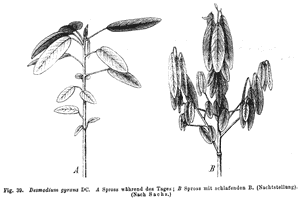
For the telegraph plant, the arrival of warmer weather at the start of spring marks the perfect time for relocation, promoting vigorous development. Select a bright location with soil that drains effectively and provide steady hydration after transplanting to support successful rooting.
What Preparations are Needed Before Transplanting Telegraph Plant?
What is the Ideal Time for Transplanting Telegraph Plant?
The best time to move telegraph plant is during the revitalizing period of early to mid-spring. This timing aligns with the plant's natural growth cycle, allowing roots to settle in moderate temperatures before summer's full intensity. Relocating telegraph plant as nature awakens provides it with the best start in its new spot, offering ample time for recovery and root development. This strategic period also utilizes spring's longer daylight and gentle rain, creating a supportive environment for telegraph plant to flourish post-transplant.
How Much Space Should You Leave Between Telegraph Plant Plants?
For telegraph plant, maintain a distance of approximately 1-2 feet (30-60 cm) between each plant to provide adequate growing room. Proper spacing is crucial for the plant's health, ensuring sufficient air circulation and preventing overcrowding.
What is the Best Soil Mix for Telegraph Plant Transplanting?
Telegraph plant thrives in rich, moist, and well-drained soil. Incorporate a general-purpose base fertilizer to prepare the transplanting area. This will give the plant a strong start and encourage robust growth.
Where Should You Relocate Your Telegraph Plant?
Telegraph plant loves sunlight, so select a location that receives plenty of it. However, a spot with some afternoon shade can also be beneficial to protect the plant from sunburn. Consider its light requirements when choosing a transplanting site!
What Equipments Should You Prepare Before Transplantation Telegraph Plant?
Gardening Gloves
To safeguard your hands while handling soil and telegraph plant.
Spade or Shovel
For digging up the plant from its original spot and excavating the new hole.
Gardening Fork
To gently loosen the soil around the root ball, minimizing damage to the roots.
Bucket or Container
To temporarily hold the telegraph plant plant during the transplanting process.
Pruning Shears
To trim damaged roots or leaves, promoting stronger development.
Watering Can
To moisten the soil before and after the transplant.
Stakes and Garden Ties
To offer additional support to the telegraph plant plant, especially if it tends to lean.
Compost or Organic Matter
To enrich the new planting site, boosting plant health and growth.
How Do You Remove Telegraph Plant from the Soil?
How Do You Remove Telegraph Plant from the Soil?
From Ground: Start by watering the ground around the telegraph plant plant; this will make extraction less stressful. Then, use a spade or shovel to dig a wide trench around the plant, being very careful to avoid root damage. Gradually work your spade or gardening fork under the root ball to lift the plant. Before removal, prune any damaged or overly long roots with pruning shears. From Pot: Water the pot thoroughly until the soil is moist. Invert the pot and, while gently tapping the rim, support the telegraph plant plant from its base to guide it out. If it sticks, avoid forceful pulling; instead, use a knife to loosen the soil around the pot's inner edge and try again. From Seedling Tray: After ensuring seedlings have enough true leaves and are large enough to handle, moisten the tray. Gently lift each telegraph plant seedling from the base using a dibber or pencil, taking care to avoid damaging roots and leaves.
Step-by-Step Guide for Transplanting Telegraph Plant
Preparation
Prepare the planting hole before removing the telegraph plant plant from its original location. The hole should be wide and deep enough for the roots to spread freely. Mix some compost or organic matter into the excavated soil to encourage root development.
Removal
Carefully remove the telegraph plant plant from its original spot as described above, ensuring the root ball remains intact during the process.
Placement
Position the telegraph plant plant in the center of the prepared hole. The top of the root ball should be level with the soil surface of the new location.
Backfill
Gently fill the hole with the prepared soil, being careful not to bury the telegraph plant plant too deeply. Firmly press the soil around the plant's base to prevent air pockets.
Watering
Water the telegraph plant plant generously immediately after transplanting to help settle the soil and initiate the growth process.
Staking
If needed, use garden stakes and ties to provide additional support to the telegraph plant plant and guide its growth.
How Do You Care For Telegraph Plant After Transplanting?
Watering
Ensure the telegraph plant plant receives consistent watering, maintaining steady soil moisture – this aids recovery from transplant shock and establishment in the new location.
Pruning
Trim any dead or damaged leaves and apply a layer of mulch around the base of telegraph plant to retain moisture and suppress weed growth.
Inspection
Regularly check the telegraph plant plant for any signs of disease or pest infestation. Early detection can help prevent spread and ensure healthy growth.
Support
Continue to adjust and check stakes and ties. This helps the telegraph plant to remain upright while its root system establishes.
Troubleshooting Common Issues with Telegraph Plant Transplantation.
When is the best time to transplant telegraph plant?
The optimal period for transplanting telegraph plant is during its favorable seasons, S1 to S2. Adjust your timing accordingly to align with this window for the best outcomes.
How should I prepare the soil for telegraph plant transplantation?
Enrich the soil with organic matter to enhance its structure and nutrient content. Ensure it drains well to prevent waterlogging, which telegraph plant dislikes.
What's the appropriate spacing when transplanting telegraph plant?
Provide telegraph plant ample room to grow. Space them 1-2 feet (30.5-61 cm) apart. This allows their roots to spread comfortably without competing for nutrients and water.
How deep should telegraph plant be planted?
Plant telegraph plant at the same depth it was in its pot. Planting too deeply or too shallowly could stress the plant, impacting its health and growth.
How should I water telegraph plant after transplanting?
Telegraph plant requires adequate watering after transplanting. Water it thoroughly, ensuring the root zone is completely moist. Then, adjust watering to be regular but moderate to avoid overwatering.
How to deal with transplant shock in telegraph plant?
Shield telegraph plant from intense sun and wind for a few days post-transplant. Water and feed as needed, but don't overdo it. If symptoms persist, consider re-transplanting.
How do I ensure successful transplantation of telegraph plant?
Proper depth, spacing, watering schedule, and soil preparation are crucial. Also, transplanting during the S1-S2 window can significantly boost your success rate.
How much sunlight does telegraph plant need after transplanting?
Telegraph plant benefits from a location with full sunlight to partial shade. However, avoid excessive hot, direct sun immediately after transplanting to prevent scorching.
What should I do if telegraph plant does not grow as expected after transplantation?
Check for issues like waterlogging, nutrient deficiency, or extreme temperatures. Ensure your plant has ideal conditions including proper sunlight and consider a soil test for further analysis.
Should I fertilize telegraph plant after transplanting?
Yes, fertilizing will help telegraph plant establish quickly in its new location. Wait a few days post-transplant, then apply a slow-release fertilizer higher in phosphorous to encourage root growth.



