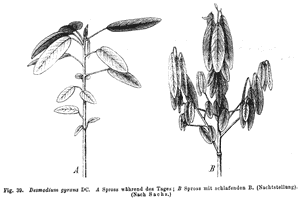
Telegraph plant (Codariocalyx motorius)
Also known as: Desmodium gyrans, Semaphore plant, Telegraph plant
The telegraph plant's leaves exhibit rotational movement approximately every three to five minutes. This fascinating behavior was first documented by Charles Darwin in 1880 in his work, "The Power of Movement in Plants." While the exact reason for this leaf movement remains uncertain, it is speculated that it might help the plant optimize sunlight exposure.
In This Article
Attributes of Telegraph plant
Lifespan
Perennial
Plant Type
Shrub
Plant Height
1.2 m
Spread
50 cm to 1.5 m
Leaf Color
Green
Flower Size
2.5 cm
Flower Color
Purple White Pink
Images of Telegraph plant
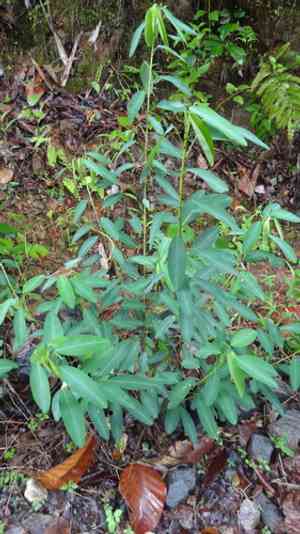
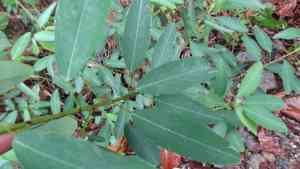
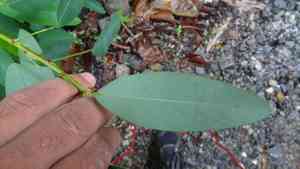
Quickly Identify Telegraph plant
1
The plant can be identified by its distinct movement; the smaller lateral leaflets move in a rotating motion, especially under direct sunlight, temperature changes, or during slight mechanical stimuli.
Scientific Classification of Telegraph plant
Phylum
Vascular plants
Class
Dicotyledons
Order
Legumes, milkworts and allies
Family
Legume
Genus
Tick trefoils
Species
Telegraph plant
Planting and Growing of Telegraph plant
Care Difficulty
Easy
Watering Schedule
Every 3 days
Sunlight Requirements
Partial sun
Sunshine Duration
4-6 hours
Ideal Temperature
68-86℉
Soil Type
Potting Mix, Peat Mix
Soil pH
6.5-7.5
Fertilizer Type
Balanced
Pruning Season
Spring, Summer
Pruning Area
Branches, Leaves
Pruning Frequency
2 times a year
Repotting Season
Spring
Pot Type
Plastic, Ceramic
 How to Water Telegraph plant?
When watering Codariocalyx motorius, ensure the top 2-3 centimeters of soil are moist but not soggy. This equates to roughly 250 milliliters of water per session, depending on the pot size and climate conditions. The key is to allow the soil to partially dry out between waterings to prevent root rot.
What are the symptoms of an underwatered Telegraph plant?
›
What should I do if my Telegraph plant is not getting enough water?
›
What are the symptoms of an overwatered Telegraph plant?
›
How to save an overwatered Telegraph plant?
›
 What Are the Sunlight Requirements for Telegraph plant?
Codariocalyx motorius prefers partial sun exposure, ideally around 3 to 6 hours a day. Ideal light conditions promote healthy growth and enable its characteristic leaflet movements, ensuring its survival and aesthetic beauty.
More About Sunlight Requirements Techniques→
How much sunlight does Codariocalyx motorius need?
›
What solutions can be used to provide ideal lighting?
›
What are the benefits of Codariocalyx motorius getting ideal light?
›
 What Is the Ideal Temperature Range for Telegraph plant?
Codariocalyx motorius, commonly known as the Telegraph plant, thrives in warm environments. The ideal temperature range for this plant is between 68°F and 86°F. This range provides optimal conditions for photosynthesis and growth, ensuring vibrant foliage and healthy development. When temperatures are maintained in this range, the plant is better equipped to perform its unique leaf movement that is characteristic of this species.
 What Soil is Best for Telegraph plant?
Codariocalyx motorius thrives in well-draining soil, which prevents water-logging and root rot. Ensuring good drainage helps the plant to absorb essential nutrients efficiently, thus promoting healthy growth and vibrant leaf movements. A nutrient-rich soil is crucial for Codariocalyx motorius, providing the essential elements required for vigorous growth. Enriching the soil with organic compost can enhance its fertility, leading to more robust foliage and frequent movement responses. Maintaining a balance in moisture retention is vital. The soil should retain enough moisture to keep the plant hydrated but not so much that it becomes saturated, preventing root suffocation and fungal diseases.
 How to Fertilize Telegraph plant?
For Codariocalyx motorius, a moderate amount of fertilizer is sufficient to maintain its growth. Use a balanced liquid fertilizer, diluted to half the recommended strength, to ensure that nutrients are available without overwhelming the plant's roots. Apply approximately 100-150 ml per application per plant.
 How to Prune Telegraph plant?
Select a pair of sharp and clean pruning shears to ensure precise cuts and reduce plant stress. Clean your tools before and after each use with rubbing alcohol to prevent disease spread. Regular maintenance of your tools increases their longevity and efficiency. Before pruning, assess the health of your Codariocalyx motorius. Look for any signs of disease, pest infestations, or environmental stress. Only trim healthy sections, leaving any damaged parts for later when the plant is more robust. This ensures you do not exacerbate existing issues during pruning.
More About Pruning Techniques→
 How to Propagate Telegraph plant plant?
1
Start by acquiring seeds from mature Codariocalyx motorius pods. Ensure they are dry and free from any disease or pest damage before planting.
2
Select healthy, disease-free stems from the parent plant, cutting them to about 4-6 inches in length. Remove leaves from the lower half to reduce moisture loss.
3
Dip the cut end of the limb into a rooting hormone to aid root development. Plant them in a moist rooting medium, ensuring consistent humidity and warmth.
 How to Repot Telegraph plant plant?
1
Codariocalyx motorius, known for its dancing leaves, should be repotted when its roots begin to outgrow the current container or when you notice water not draining properly. Spring or early summer is ideal to give it a fresh start for the growing season.
2
Choose a pot slightly larger than the current one, with good drainage holes to accommodate this plant's growth. A container with a width 2-3 inches larger will ensure the roots have ample space, preventing overcrowding and improving air circulation.
3
Opt for a well-draining potting mix with added perlite or sand to maintain moisture without causing waterlogging. This type of soil reduces root rot risk and keeps the plant's roots healthy, mimicking its natural habitat.
Learn More About Telegraph plant Diseases
Anthracnose
Bacterial Leaf Spot
Bacterial Soft Rot
Bacterial Wilt
Black Spot
Chemical Injury
Crown Gall
Cyst Nematode
Damping-off
Downy Mildew
Drought Stress
Fusarium Wilt
Gray Mold
Leaf Curl
Leaf Spot
Mosaic
Nutrient Deficiency
Nutrient Toxicity
Powdery Mildew
Root Rot
Root-knot Nematode
Rusts
Sooty Mold
Spider Mites
Temperature Stress
Thrips Damage
White Mold



