How Much Sunlight Do Telegraph plant Need?
1
For optimal growth, a Telegraph plant requires 3-6 hours of bright, indirect sunlight each day.
2
Direct sun exposure can harm the sensitive foliage of your Telegraph plant, making filtered light the ideal choice.
3
A light meter is a useful tool for precisely gauging the amount of light your Telegraph plant is exposed to.
The Essential Role of Sunlight for Telegraph Plant Development
Photosynthesis and Vitality
Sunlight is critical for the Telegraph plant because it powers photosynthesis—the process where the plant transforms light energy into chemical energy. Through photosynthesis, leaves take in sunlight and convert carbon dioxide and water into glucose and oxygen. This simple sugar fuels the plant's growth and overall vigor.
Light's Impact on Movement
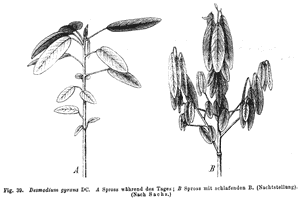
A captivating trait of the Telegraph plant is its capacity to shift its leaves to track light direction and intensity—a phenomenon known as photonasty. Sufficient sunlight activates this motion, enabling the plant to maximize light absorption for optimal development. If your Telegraph plant's leaves perform their distinctive 'dance,' it signals proper light exposure.
Optimal Lighting Conditions for Telegraph Plant
Natural vs. Supplemental Illumination
While natural solar radiation is preferred for the Telegraph plant, artificial light can also meet their needs, especially indoors. Fluorescent lamps that replicate the natural sunlight spectrum are most effective. Placing your plant near east or south-facing windows can offer ample natural light throughout the day. For artificial lighting, position the source approximately 15-30 cm (6-12 inches) above the plant for best exposure.
Light Strength and Duration
The Telegraph plant thrives in partial sun, which is about 3-6 hours of daily sunlight. Intensity matters; bright, indirect light is ideal. Excessive direct sunlight can burn the leaves, while too little can hinder growth and prevent the plant's unique leaf movement. Use sheer curtains or blinds to diffuse strong midday sun.
Prime Placement for Light Exposure
For superior results, position your Telegraph plant where it receives generous morning light—such as an east-facing window. The gentler rays are advantageous without the intense brightness that can occur later in the day. If only a south or west-facing window is available, use sheer drapery to filter the light and prevent leaf scorching.
How to Assess and Adjust Light for Your Telegraph Plant
Indicators of Adequate Illumination
Lush, vibrant foliage and noticeable 'dancing' movements suggest the Telegraph plant is getting sufficient sunlight. Look for consistent development and a generally robust appearance. Active leaf motion is a clear sign of contentment with their lighting conditions.
Signs of Too Much or Too Little Light
If your Telegraph plant receives excessive light, you might observe yellowing leaves or scorched edges. Conversely, insufficient light can lead to pale leaves and elongated, spindly growth, as the plant reaches for the nearest light source. Adjust its location accordingly to achieve the proper balance.
Tools and Methods for Light Measurement
A light meter can be an invaluable device for ensuring your Telegraph plant receives the correct amount of light. These instruments measure light intensity around your plant, helping you make precise adjustments. Additionally, smartphone applications that gauge light intensity can provide a convenient and budget-friendly alternative.
Can Telegraph Plant Thrive in Dimly Lit Spaces?
Adaptation to Varying Light Levels
While the Telegraph plant favors partial sun, it can adjust to lower light environments, although growth may slow, and leaf movement might be less pronounced. Gradually acclimate the plant to reduced light levels to minimize stress, and observe for any negative indicators.
Supplementing with Artificial Lighting
In dimly lit settings, artificial light can be a lifeline for your Telegraph plant. Utilize full-spectrum fluorescent lights placed close (15-30 cm or 6-12 inches) to the plant. Set a timer to ensure the plant receives a consistent 12-14 hours of light daily if natural sunlight is insufficient.
Common Questions About Telegraph Plant Sunlight Needs
What daily light exposure does a Telegraph plant require?
A Telegraph plant typically needs 3-6 hours of bright, indirect sunlight each day. This amount ensures healthy growth and the characteristic movements of its leaves.
Is direct sun harmful to a Telegraph plant?
Yes, direct sun can damage the delicate leaves of a Telegraph plant. It’s crucial to provide filtered or indirect light to prevent leaf burn and maintain plant vitality.
What are optimal indoor locations for a Telegraph plant?
The best indoor spots for a Telegraph plant are areas with ample morning light from east-facing windows or diffused light from south or west-facing windows. Artificial light can also be beneficial in low-light situations.



