How to Prune Telegraph plant?
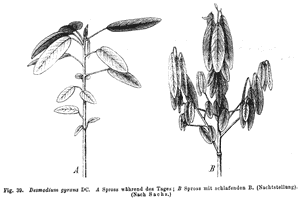
This enduring woody plant, recognized for its synchronized foliar motions, thrives with judicious shaping to preserve its form and foster abundant leaves. For telegraph plant, cut directly above leaf junctions with sanitized, keen implements to spur fresh development. The period from late spring to early summer is optimal, following the vigorous leaf activity, to prevent interfering with growth patterns. Trimming at this time additionally improves air movement, lowering the chance of illness and supporting vigorous well-being. Eliminate lifeless or frail stalks to revitalize the telegraph plant's general vigor.
What Are the Benefits of Pruning Telegraph Plant?
What Are the Benefits of Pruning Telegraph Plant?
Trimming telegraph plant is crucial for encouraging flower production and boosting its resistance to pests and diseases, leading to a healthier and more robust specimen.
What Is the Best Time for Pruning Telegraph Plant?
What Is the Best Time for Pruning Telegraph Plant?
The optimal periods for pruning or trimming telegraph plant are late spring and early summer. This timing coincides with telegraph plant's post-dormancy growth spurt, facilitating strong recovery and development after pruning. Late spring pruning ensures the removal of any frost-damaged parts and shapes the plant effectively before active growth fully begins. Early summer pruning is suitable as it occurs after the initial growth flush, enabling gardeners to direct the plant's energy towards producing stronger, healthier branches and improving air circulation within the foliage. It also prevents the stress on telegraph plant that midsummer or winter pruning might cause, ensuring the plant doesn't expend energy on recovery during less favorable conditions. These seasons guarantee telegraph plant has ample time to establish new growth before colder temperatures arrive, which is vital for the plant's overall well-being. Furthermore, this timing avoids disturbing telegraph plant during its flowering or fruiting phases, thus not impacting its reproductive cycle.
What Tools Do I Need to Prune Telegraph Plant?
Hand Pruners
For precise cuts on young or soft stems of telegraph plant, sharp hand pruners, also known as secateurs, are perfect. They allow for easy handling and minimal harm to the plant's delicate structure.
Bypass Pruners
Ideal for making clean cuts through the plant's relatively thin stems, bypass pruners operate like scissors and are less likely to crush the sensitive tissues of telegraph plant.
Pruning Shears
For trimming and shaping telegraph plant, especially when dealing with multiple thin stems simultaneously, long-bladed pruning shears offer a practical and efficient method to maintain the plant's appearance without causing undue stress.
Garden Scissors
For deadheading and snipping off small unwanted twigs or leaves of telegraph plant, garden scissors provide accuracy and ease of use. Their fine tips allow for careful selection of the parts to be removed.
Pruning Saw
For older, woodier stems that hand pruners cannot manage, a pruning saw with fine teeth is recommended for cutting without tearing, ensuring a healthier recovery for telegraph plant.
How to Prune Telegraph Plant
Sterilize Tools
Before beginning, clean and sanitize all pruning tools to prevent the spread of disease to telegraph plant.
Remove Diseased Material
Carefully remove all diseased leaves and branches from telegraph plant by cutting back to a healthy section. Dispose of the material to avoid contamination.
Eliminate Dead Material
Prune away all dead branches and withered leaves from telegraph plant. Make cuts close to the main stem, ensuring not to damage healthy tissue.
Thin Growth
Identify and selectively trim excessive growth branches on telegraph plant to encourage air circulation and light penetration within the plant.
Deadhead Flowers
Remove withered flowers from telegraph plant by cutting the stem just above the next leaf node or side shoot to promote further blooming.
Common Pruning Mistakes with Telegraph Plant
Over-Pruning
Removing too much foliage at once can stress telegraph plant, potentially hindering its growth or leading to poor health. It's important to prune carefully, never removing more than one-third of the plant's total foliage.
Improper Cut Location
Cutting too far from a node, where leaves attach to the stem, can result in unsightly stubs and increase the risk of disease entry. Conversely, cutting too close to a node can damage the bud's potential for new growth.
Using Dull Tools
Using tools that aren't sharp can cause damage to the stems of telegraph plant, crushing rather than cutting cleanly. This can create wounds that are more susceptible to disease and pests.
Ignoring Diseased Material
Not removing or improperly disposing of diseased leaves and branches can allow infections to persist and spread throughout telegraph plant, negatively affecting its overall health.
Neglecting Sanitization
Failing to clean and sanitize pruning tools before and after use can spread disease from infected plants to healthy ones, especially when working with telegraph plant which may be more susceptible to certain plant diseases.
Common Pruning Tips for Telegraph Plant
Correct Tool Selection
Use clean, sharp secateurs, pruning shears, or fine-toothed saws for larger branches, ensuring precise cuts that promote quick healing and minimize damage to telegraph plant.
Cut Angle
Make cuts at a 45-degree angle just above a node or a side branch to encourage water runoff and prevent rot, allowing for healthy regrowth in telegraph plant.
Targeted Pruning
Focus on removing dead, diseased, or damaged branches, as well as any growth that's crossing or rubbing together to maintain good airflow and structural integrity of telegraph plant.
Hygiene Practices
Sterilize tools between cutsâespecially when dealing with diseased materialâusing a solution of one part bleach to nine parts water or alcohol, to prevent the spread of diseases in telegraph plant.
Gradual Pruning
Approach pruning in stages, especially if the plant has been neglected and requires substantial shaping. This allows telegraph plant to recover between sessions and maintains plant vigor.
Conservation Of Leaf Nodes
Conserve some of the leaf nodes on the branches during pruning to ensure telegraph plant has enough nodes to facilitate continued growth and photosynthesis, which is vital for its overall health.



