Enhancing Your Garden Design with the Telegraph plant Plant: A Landscaping Guide
1
The Telegraph plant is famous for its distinct leaf motion, akin to semaphore flags.
2
This plant flourishes in tropical and subtropical climates, perfect for specialized garden designs.
3
Combining the Telegraph plant with diverse textures and hues can enhance your garden's aesthetic appeal.
Exploring the Distinctive Characteristics of the Telegraph Plant
Unique Leaf Motion
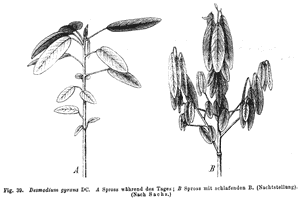
A most captivating feature of the Telegraph plant is its remarkable leaf motion. Unlike most flora, this plant exhibits an extraordinary capacity to shift its leaves in response to light and temperature fluctuations, often within minutes. This occurrence, known as rapid leaf movement, makes it a conversation piece and a focal point in any garden. The movements mimic a semaphore signaling system, adding a lively element to your garden design, making it vibrant and visually engaging.
Growth Patterns and Stature
When integrating the Telegraph plant into your landscape, understanding its growth habits and potential height is essential. The Telegraph plant typically reaches a moderate height of about 1-1.5 meters, making it suitable for various planting zones and spaces. The plant's form is quite bushy, with multiple stems that spread outward. This growth pattern allows it to fill areas effectively, providing a lush and dense appearance. Knowing its height and structure aids in planning its placement, ensuring it complements other plants and design elements in your garden.
Seasonal Changes in Appearance
The look of the Telegraph plant transforms with the seasons, bringing an ever-changing aesthetic to your landscape. During its active growth period, it showcases vibrant green leaves that can darken slightly as they mature. The plant also produces small, purplish blooms that add a touch of color. In colder months, while the plant may not exhibit as much movement, it still retains its rich foliage, maintaining visual appeal throughout the year. By understanding these seasonal shifts, you can design your garden to remain attractive year-round.
Integrating the Telegraph Plant into Landscape Themes
Tropical Garden Settings
The Telegraph plant is an excellent addition to tropical-themed gardens. Its natural habitat includes tropical and subtropical regions, where it thrives in warm, humid conditions. When combined with other tropical plants such as hibiscus, bird of paradise, and various palm species, the Telegraph plant enhances the exotic feel of your garden. Its dynamic leaf movements add a unique touch to the lush, vibrant foliage typical of tropical landscapes, creating a truly immersive experience.
Contemporary Design Elements
For those crafting a modern garden, the Telegraph plant offers a distinctive, contemporary component. Its neat, bushy appearance and characteristic movements align well with modern design aesthetics, which often emphasize minimalism and innovative features. You can plant the Telegraph plant alongside sleek, architectural plants like succulents and ornamental grasses to create a striking contrast. Its unique leaf movements can also serve as a natural kinetic sculpture, adding both texture and motion to a modern garden space.
Utilizing the Telegraph Plant in Compact Outdoor Areas
Even with a small outdoor space, the Telegraph plant can be a fantastic addition. Due to its modest height and bushy growth habit, it can fit well in containers or small garden beds. Position it on a balcony, patio, or small courtyard to create a lush, green sanctuary. Its unique movements will undoubtedly draw attention, making even a compact area seem dynamic and full of life. Additionally, its ability to thrive in partial shade makes it versatile for various locations within a small space.
Companion Plants that Complement the Telegraph Plant
Suggested Color Palettes and Contrasts
Selecting the right color schemes and contrasts can significantly enhance the beauty of the Telegraph plant in your landscape. The vibrant green of the Telegraph plant's leaves pairs wonderfully with deep reds, purples, and blues. Consider planting it alongside plants like coleus or begonias, which offer rich, contrasting colors. This combination will make your garden visually striking, with the Telegraph plant providing a lively backdrop of movement and greenery.
Pairing with Blooming Plants
Flowering plants make excellent companions for the Telegraph plant, adding splashes of color that complement its leafy greens. Plants like marigolds, zinnias, and petunias can enhance the visual appeal of your garden, providing a vibrant contrast to the subtle movements of the Telegraph plant. These flowering companions not only beautify the space but also attract pollinators, fostering a healthy ecosystem within your garden.
Incorporating Texture and Form
Introducing a variety of textures and forms can elevate your landscape design, making it more engaging and dynamic. The Telegraph plant's bushy foliage can be nicely contrasted with spiky plants like yucca or ornamental grasses. Additionally, the smooth, broad leaves of the Telegraph plant provide a soft texture that contrasts well with more structured or rigid plant forms. This interplay of textures and forms brings depth and interest to your garden, making it visually stimulating.
Maintaining Visual Appeal with the Telegraph Plant
Placement for Optimal Observation
To fully appreciate the unique characteristics of the Telegraph plant, especially its leaf movements, placement is crucial. Position the Telegraph plant in prominent areas of your garden where you and your guests can easily observe its dynamic behavior. Ideal spots include near pathways, patios, or garden seating areas. This strategic placement ensures that the movement is noticed and enjoyed regularly, adding to the overall sensory experience of your landscape.
Interaction with Sunlight and Shade
The interplay of the Telegraph plant with sunlight and shade can enhance its visual appeal. As the sun traverses the sky throughout the day, the shifting light and shadows will accentuate the plant's movements. Positioning the Telegraph plant where it receives dappled sunlight, such as beneath taller plants or a pergola, can create a captivating dance of light and shadow. This dynamic illumination will make the leaf movements even more pronounced, adding a magical quality to your garden.
Year-Round Interest Elements
Sustaining visual interest throughout the year is vital for a captivating garden. The Telegraph plant offers year-round appeal with its evergreen foliage and occasional blooms. To keep your garden engaging, pair the Telegraph plant with plants that have different blooming seasons and foliage colors. This way, even when the Telegraph plant's leaf movements are less active during cooler months, your garden will still be full of life and color. Incorporating evergreen shrubs and winter-blooming flowers will ensure your landscape remains beautiful in every season.



