How to Propagate Telegraph plant?
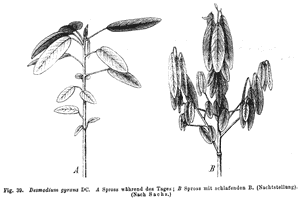
The telegraph plant, a distinctive botanical specimen, is recognized for its swift foliar motions, reminiscent of semaphore communication. Presented to cultivators as an engaging example, its reproduction predominantly occurs via the cutting technique. Hobbyists ought to choose robust stems and sever them directly beneath a node, then position them in a porous soil blend within a humid environment. A rooting stimulant may be administered to the severed tip to foster root formation. After roots have taken hold, the telegraph plant necessitates relocation to a more spacious container to support its expansion, guaranteeing ideal hydration and illumination for thriving growth.
What Is the Best Time To Propagate Telegraph Plant?
Propagation Type
Cutting
Propagation Season
Spring,Summer
What Tools Are Used in Telegraph Plant Propagation?
Sharp Pruning Shears
Crucial for making precise cuts on stems, sharp pruning shears minimize harm to the tissues of telegraph plant. This accuracy helps prevent disease and stress, encouraging faster rooting and healthier new development.
Rooting Hormone Powder
Applied to the severed end of stem cuttings, rooting hormone powder accelerates root formation, boosting the likelihood of successful propagation for telegraph plant. This is especially helpful given the vulnerability of fresh cuttings to their surroundings.
Sterilizing Agent (e.g., Isopropyl Alcohol or Bleach solution)
Used to sanitize pruning shears and other implements, a sterilizing agent guarantees that all cuttings of telegraph plant are free from pathogens, which is vital for avoiding infections that could jeopardize propagation efforts.
Moist Propagation Medium (e.g., Perlite, Vermiculite)
Offers a sterile, well-draining environment for the rooting of telegraph plant cuttings, essential for preventing moisture-related issues like rot or fungal growth while supporting robust root development.
Humidity Domes or Covers
Keeps high humidity around telegraph plant cuttings, crucial for stopping the delicate new tissue from drying out. This tool aids in creating a micro-environment that provides the moisture needed for successful root initiation and growth.
Heating Mats
Promotes an ideal growth temperature around the root zone of telegraph plant cuttings, particularly beneficial in colder climates or seasons. Warmth is a key factor in encouraging quicker root growth and overall healthier plant development during propagation.
How to Propagate Telegraph Plant?
Propagation Type
Moderately Difficult
How to Care for Your Newly Propagated Telegraph Plant?
How to Care for Your Newly Propagated Telegraph Plant?
Post-propagation, continue to provide the telegraph plant with bright, indirect light, and ensure the soil stays moist but drains well. Avoid excessive watering to prevent root rot. As the telegraph plant matures, fertilize monthly with a balanced liquid fertilizer during its active growth period. Offer support for the telegraph plant as it grows taller to help it remain upright. Regularly inspect for pests like aphids and treat as needed. Prune any dead or yellowing leaves to promote healthy growth and air circulation.
Common Mistakes to Avoid When Propagating Telegraph Plant
Insufficient humidity
When propagating telegraph plant, maintaining high humidity is critical. Propagation often involves cuttings that need a moist environment. Neglecting this can lead to drying out and failure to root.
Overwatering
While moisture is important, excessive watering can cause the roots of telegraph plant to rot. This disrupts the propagation process by harming the new rooting system.
Using dull cutting tools
Blunt tools can damage the tissues of telegraph plant during the cutting process, leading to poor healing and reduced chances of successful propagation.
Skipping rooting hormone
Not using a rooting hormone when propagating telegraph plant can result in longer rooting times or unsuccessful rooting, as it helps stimulate root development.
Ignoring light requirements
Providing improper light conditions to telegraph plant cuttings can hinder rooting and growth. Too much light can cause dehydration, while too little can weaken the plant.
Tips For Propagating Telegraph Plant
Use clean sharp tools
Cuttings for telegraph plant should be taken with clean, sharp tools to prevent infection and ensure a clean cut that heals well and promotes root growth.
Maintain high humidity
Creating a mini greenhouse for telegraph plant cuttings, using a plastic cover or propagator, can help maintain necessary humidity levels without overwatering.
Rooting hormone application
Applying a rooting hormone to the cuttings of telegraph plant can enhance root development, leading to a higher success rate in propagation.
Well draining soil mixture
Using a well-draining soil mixture ensures that telegraph plant's delicate roots receive moisture without the risk of waterlogging and root rot.
Indirect sunlight provision
Place telegraph plant cuttings in a location with bright, indirect sunlight. This provides the energy needed for growth without causing the stress of direct sun exposure.



