How to Transplant Nepali hog-plum?
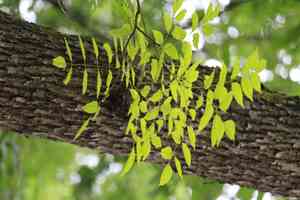
For Nepali hog-plum, the ideal time for relocation is as temperatures rise and vegetation reactivates—generally from late spring through early summer. Select a location with good drainage and abundant solar exposure. Establishing a supportive setting here encourages vigorous growth and reduces the shock of transplanting.
What Preparations are Needed Before Transplanting Nepali Hog-plum?
What is the Ideal Time for Transplanting Nepali Hog-plum?
The best period to move nepali hog-plum is from late spring to early summer. During this mild weather, nepali hog-plum's roots can establish more effectively, ensuring a smooth transition and better growth. Relocating nepali hog-plum in this gentle season aligns with its natural growth cycle, boosting its resistance to pests and diseases. This timing also often coincides with the start of the rainy season, providing nepali hog-plum with ample water to help it settle. Choose this timeframe for successful nepali hog-plum transplantation and watch your garden thrive with these robust perennials.
How Much Space Should You Leave Between Nepali Hog-plum Plants?
When relocating your nepali hog-plum, proper spacing encourages healthy development. Maintain a distance of approximately 5-6 feet (1.5-1.8 meters) between plants to allow each one sufficient room to flourish.
What is the Best Soil Mix for Nepali Hog-plum Transplanting?
Your nepali hog-plum thrives best in well-draining soil, such as loamy or sandy types. Before planting, enrich the soil with a balanced granular fertilizer to supply nutrients. Begin with a mild, slow-release variety!
Where Should You Relocate Your Nepali Hog-plum?
Moving your nepali hog-plum to a sunny location is vital for its development. It loves sunlight! Select a spot where it will receive at least 6 hours of direct sun daily. However, it also tolerates partial shade.
What Equipments Should You Prepare Before Transplantation Nepali Hog-plum?
Gardening Gloves
To protect your hands when working with soil and the plant.
Shovel or Spade
This tool is necessary for digging holes in the ground where the nepali hog-plum will be replanted.
Watering Can
Needed to hydrate the plant both before and after moving it, to reduce stress from the process.
Gardening Pruning Shears
To trim any roots that might have been damaged during the relocation process.
Mulch
To help maintain soil moisture after transplanting.
Gardening Trowel
This is useful for loosening soil and removing smaller plants from containers or seed trays.
How Do You Remove Nepali Hog-plum from the Soil?
How Do You Remove Nepali Hog-plum from the Soil?
From Ground: Begin by watering the nepali hog-plum plant to moisten the soil. This will make removal easier and less stressful for the plant. Once the soil is damp, dig a generous trench around the plant using a shovel or spade, ensuring it's deep and wide enough to keep the root ball intact. Gradually work the spade under the root ball until you can gently lift the plant from the ground. From Pot: Again, start by watering the plant. Then, carefully tilt the pot sideways while supporting the plant at its base. Sometimes, a gentle tap may be needed to release the plant, or you might have to run a knife or trowel along the pot's inner edge to loosen the soil. From Seedling Tray: Water the seedlings thoroughly before you begin. With a trowel, gently loosen the soil around the seedling, being careful to keep the roots intact as you carefully lift the seedling out of the tray.
Step-by-Step Guide for Transplanting Nepali Hog-plum
Preparation
Start by digging a hole in the new spot. The hole should be deep enough to accommodate the nepali hog-plum's root ball and twice as wide.
Placement
Center the nepali hog-plum in the hole, ensuring it stands upright. The top of the root ball should be level with or slightly above the surrounding soil.
Backfill
Refill the hole with the same soil you removed. Gently firm the soil around the plant's base to eliminate any air pockets.
Watering
Once the nepali hog-plum is planted, water it immediately. Ensure the water reaches the root zone.
Mulching
Apply mulch around the plant's base to help retain soil moisture.
How Do You Care For Nepali Hog-plum After Transplanting?
Regular Monitoring
Closely observe the nepali hog-plum for several weeks after transplanting. Look for signs of stress, such as wilting or changes in leaf color. If any leaves or branches die, prune them to prevent disease spread.
Watering
The nepali hog-plum will need consistent watering until it becomes established. However, avoid overwatering, as this can lead to root rot. Allow the top two inches of soil to dry out between waterings. Adjust as needed based on weather and the plant's response.
Pruning
Pruning helps direct the plant's energy towards developing strong roots instead of maintaining unnecessary foliage. Prune just enough to reduce water loss through transpiration. The top growth should be balanced with the root system, so prune accordingly.
Troubleshooting Common Issues with Nepali Hog-plum Transplantation.
What is the best season to transplant nepali hog-plum?
The most suitable time to transplant nepali hog-plum is during the S3-S4 season.
What is the optimal spacing for nepali hog-plum when transplanting?
Allow a generous space of about 5-6 feet (1.5-1.8 meters) between each nepali hog-plum during transplantation for optimal growth.
Why is my transplanted nepali hog-plum wilting and what can I do?
Wilting could be due to transplant shock. Try to keep the soil around nepali hog-plum consistently moist and provide shade to alleviate this shock.
What should be the depth of the hole when transplanting nepali hog-plum?
Dig a hole approximately twice as wide and the same depth as the nepali hog-plum's root ball. This promotes good root development.
Is there a specific way to remove nepali hog-plum from its current location for transplanting?
Yes, gently loosen the soil around nepali hog-plum, use a transplanting spade to carefully lift it, ensuring minimal damage to the roots.
Should I water nepali hog-plum immediately after transplantation?
Yes. Please provide nepali hog-plum with a good soak after transplanting. This helps settle the soil and alleviates transplant shock.
How should I prepare the soil before transplanting nepali hog-plum?
For successful transplantation, thoroughly mix the planting soil with compost. This enriches the soil, and provides nepali hog-plum with essential nutrients.
What shall I do if the leaves of the transplanted nepali hog-plum are turning yellow?
Yellowing leaves may indicate overwatering or nutrient deficiency. Adjust watering routine and consider a slow-release fertilizer to ensure adequate nutrients for nepali hog-plum.
Could I transplant nepali hog-plum to a pot?
Absolutely, but ensure the pot is large enough to accommodate nepali hog-plum's growth and has good drainage to prevent root rot.
When should I start fertilizing the recently transplanted nepali hog-plum?
Wait 3-4 weeks after transplantation before fertilizing. This gives nepali hog-plum time to recover from transplant shock and lets the roots establish.



